The joints (Sandhi) are the meeting points of bones, held together and kept smooth by a protective, lubricating form of Kapha called Shleshaka Kapha. Ayurveda places most joint and spine disorders under Vata Vyadhi — conditions caused by aggravated Vata dosha, whose dry, light, cold and mobile qualities wear away this lubrication and cause pain, cracking and stiffness.
A second pathway is Ama: when digestive fire (Agni) is weak, partly digested food forms a sticky residue that travels through the channels and settles in the joints, causing swelling, heaviness and morning stiffness. Every joint-pain plan begins by finding out which of these is at work — Vata, Ama, or both — because the diet and routine for each are very different.
Joint and spine conditions we treat
Rheumatoid Arthritis Amavata
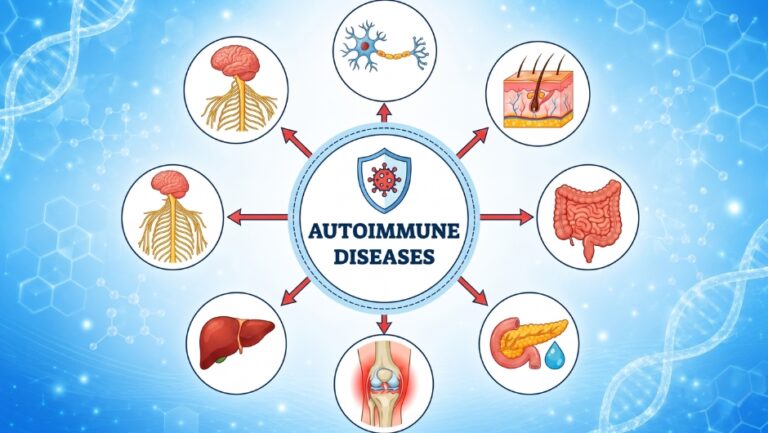
Ayurveda describes rheumatoid arthritis as Amavata — Ama carried by Vata into the small joints of the hands and feet, causing pain that moves from joint to joint, swelling, heaviness and stiffness that is worst in the morning. Care focuses on rekindling Agni with light, warm, easily digested food, avoiding Ama-forming foods such as curd at night, cold drinks and heavy fried meals, and gently restoring strength once the Ama is cleared. Rheumatoid arthritis is an autoimmune condition — see how Ayurveda approaches it on our Autoimmune Disorders page.
Back Pain Katigraha
Katigraha literally means a “seized” lower back. It arises when Vata settles in the lumbar region after long sitting, heavy lifting, poor posture, irregular meals or chronic constipation. Because the lower back is the seat of Apana Vata, regular bowel movement is a key part of care, along with warm, unctuous food, a regular sleep routine and avoiding long periods of sitting still.
Ankylosing Spondylitis Prishthagraha
Ankylosing spondylitis causes stiffness of the spine and sacroiliac joints that typically improves with movement and worsens with rest. Ayurveda sees an obstruction of Vata by Ama and Kapha in the spinal channels. Treatment aims to clear Ama through digestive correction, reduce the foods and habits that sustain it, and keep the spine mobile with a daily routine suited to the person’s strength. Ankylosing spondylitis is an autoimmune condition — see how Ayurveda approaches it on our Autoimmune Disorders page.
Lumbar Spondylosis Kati Sandhigata Vata
Age-related wear of the lumbar discs and vertebrae is a classic Vata picture: dryness, degeneration and pain on bending or standing for long. Care centres on nourishing (Brimhana) the tissues with warm, oily, well-cooked food, adequate ghee for those whose digestion allows it, regular meal times and avoiding fasting, cold exposure and late nights, which all aggravate Vata.
Sciatica Pain Gridhrasi
Gridhrasi is named after the vulture (gridhra), for the way the pain makes a person walk. Pain, tingling or numbness runs from the buttock down the back of the leg. It may be pure Vata (sharp, shooting pain) or Vata with Kapha (heaviness, dullness, loss of appetite), and the plan differs for each. Constipation, prolonged sitting and cold, dry food are addressed first.
Neck Pain Manyastambha
Manyastambha means stiffness of the neck. It is commonly triggered by long hours looking down at screens, sleeping on a high pillow, exposure to cold wind and day sleep after heavy meals. Care combines Vata-pacifying food with correction of the daily habits that load the neck, and attention to sleep, which is when the tissues repair.
Cervical Spondylosis Greeva Sandhigata Vata
Degeneration of the neck vertebrae can cause neck pain, stiffness, headache and sometimes tingling in the arms or giddiness. As with all degenerative joint disease, Ayurveda works on nourishing the tissues and calming Vata — regular, warm, nourishing meals, a steady routine, good posture and adequate rest — while ruling out nerve compression that needs specialist care.
Gout Vatarakta
Vatarakta is a disease of Vata and Rakta (blood). It often starts in the big toe with sudden, burning, red and swollen pain, frequently after alcohol, meat-heavy meals, fasting or late nights. Ayurveda treats it as both a joint and a blood disorder: cooling, light, blood-friendly foods, ample water, avoiding alcohol, sour and fermented foods and long gaps without food, and a regular daily routine.
Fibromyalgia Mamsagata Vata
Widespread muscle pain, tender points, fatigue and unrefreshing sleep are seen in Ayurveda as Vata affecting the muscle tissue (Mamsa Dhatu), often alongside a disturbed mind (Manas). Care focuses on grounding Vata — warm and regular meals, early and sufficient sleep, reduced stimulation and stress — and on rebuilding strength and digestion step by step.
Hip Joint Pain
Pain in the hip may come from wear of the joint, inflammation of surrounding tissues or pain referred from the lower back. In Ayurveda the hip is a weight-bearing Vata region, so excess body weight and Vata-aggravating habits both matter. The plan addresses weight where needed, nourishes the joint tissues and corrects digestion, after the cause of the pain has been properly assessed.
Knee Pain Janu Sandhigata Vata
The knees carry the body’s weight with every step, so they are often the first joints to show degeneration, especially with excess weight, low muscle strength or a dry, Vata-dominant constitution. Ayurvedic care combines weight management where needed, food that nourishes bone and cartilage, avoidance of cold, dry and stale food, and a routine that keeps the joint active without straining it.
Osteoarthritis Sandhigata Vata
Charaka describes Sandhigata Vata as a swelling of the joint that feels like a bag filled with air, with pain on movement. It is the classic degenerative arthritis of ageing, made worse by Vata-aggravating food and habits. Treatment is nourishing rather than depleting: warm, unctuous, easily digested food, good sleep and protecting the joints from cold and overuse.
Osteoporosis Asthi Kshaya
Thinning of the bones is understood as depletion of Asthi Dhatu (bone tissue), which is closely linked to Vata. Since each tissue is nourished by the one before it, bone health depends on good digestion and well-formed earlier tissues. Care focuses on strong Agni, nourishing foods such as sesame, milk where tolerated, ghee and seasonal produce, sunlight and safe, regular movement — always alongside bone-density testing and your doctor’s advice.
Post-Viral Arthritis Jwarottara Sandhishoola
Joint pain that continues for weeks or months after a fever such as chikungunya or dengue is described in Ayurveda as pain after fever, when Agni and the tissues are still weak and residual Ama lodges in the joints. Care is gentle: easily digested, warm food to rebuild digestion, rest, and a gradual return to activity rather than heavy, strength-building diets too early.
Psoriatic Arthritis
Psoriatic arthritis affects both skin and joints, so Ayurveda treats it as involving Rakta (blood) and Vata, with Ama. Diet and lifestyle work on both fronts: avoiding incompatible food combinations, excess sour, salty and fermented foods and alcohol, which disturb the blood, while clearing Ama and calming Vata in the joints. Specialist rheumatology care continues alongside. Psoriatic arthritis is an autoimmune condition — see how Ayurveda approaches it on our Autoimmune Disorders page.
Reactive Arthritis
Reactive arthritis appears after an infection of the gut or urinary tract, typically in the knees, ankles and feet. Ayurveda connects it with Ama formed during the illness. Care focuses on restoring digestion and gut health, light and warm food until the swelling settles, and identifying any ongoing digestive weakness that keeps producing Ama.
High Uric Acid
Raised uric acid without symptoms is often found on routine tests and may be an early stage of Vatarakta. Ayurveda focuses on the habits that disturb Rakta and Agni: alcohol, sugary drinks, heavy meat-based meals, irregular eating and poor sleep. Adequate water, light meals, regular routine and healthy body weight form the core of care, with regular blood tests to track progress.
Causes of joint pain according to Ayurveda
- Vata-aggravating food: cold, dry, raw, stale or leftover food, excess bitter and astringent tastes, skipped meals and long fasts
- Ama-forming food: heavy, fried and processed food, eating before the previous meal is digested, and incompatible combinations (Viruddha Ahara)
- Lifestyle: late nights, suppressing natural urges, prolonged sitting, overexertion, poor posture and exposure to cold wind
- Age: Vata naturally rises after middle age, making the joints more vulnerable to dryness and degeneration
- Excess weight: extra load on the knees, hips and spine
- Weak digestion and constipation, which disturb Apana Vata and allow Ama to accumulate
Common symptoms
- Pain, stiffness or cracking sounds in the joints
- Swelling, warmth or heaviness of the joints
- Morning stiffness lasting more than a few minutes
- Pain that radiates down the leg or arm, with tingling or numbness
- Reduced movement, difficulty climbing stairs or bending
- Fatigue, poor appetite and disturbed sleep alongside the pain
Our Ayurvedic treatment approach
- Nidana Parivarjana: identifying and removing the food and habits that are causing the problem
- Prakriti and Agni assessment: understanding your constitution, digestion, bowel habits and sleep, along with your reports
- Ama Pachana: where swelling and heaviness point to Ama, light and warm food with digestive spices to clear it first
- Vata Shamana: warm, unctuous, nourishing meals at regular times to calm Vata and rebuild the joint tissues
- Dinacharya: a daily routine — waking, meals, activity and sleep — that supports the joints
- Classical Ayurvedic support where suitable, chosen for your Prakriti and condition after consultation
Benefits of Ayurvedic care for joint pain
- Addresses the underlying imbalance — Vata, Ama or both — rather than only the pain
- Uses familiar, home-cooked food you can continue for life
- Improves digestion, sleep and energy, which support the joints
- Works safely alongside your existing medical treatment
When to see a doctor promptly
Seek medical care for a hot, red, very swollen joint, joint pain with fever, pain after an injury, sudden inability to bear weight, or back pain with numbness, weakness, or loss of bladder or bowel control.