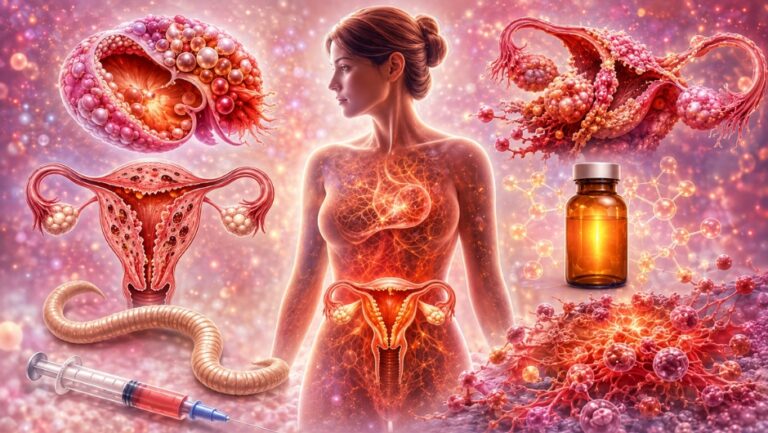
Ayurveda has a dedicated branch for women’s health, Stri Roga, with detailed descriptions of the menstrual cycle, fertility and the disorders that affect them. The menstrual cycle is governed by Apana Vata, the downward-moving force, together with Pitta, which gives the menstrual blood (Artava) its heat and colour, and Kapha, which nourishes and builds. When any of these is disturbed — by diet, stress, irregular routine or weak digestion — the cycle becomes irregular, painful or heavy, and other symptoms follow.
Because the reproductive system is nourished last, after all the other tissues, Ayurveda sees women’s health as a reflection of overall health. Care therefore begins with digestion, metabolism and the mind, alongside your gynaecologist.
Gynae conditions we treat
Leucorrhoea Shweta Pradara
Shweta Pradara means white discharge. A small amount of clear discharge is normal; excess, thick or persistent discharge with weakness, backache or itching is usually a Kapha disorder, often linked to weak digestion, heavy and sweet food, day sleep and low general strength. Care focuses on correcting Agni, reducing Kapha-increasing food, hygiene habits and restoring strength — after infections that need specific treatment have been ruled out.
Irregular or absent periods, weight gain, acne, excess facial hair and difficulty conceiving are common features of PMOS — Polyendocrine Metabolic Ovarian Syndrome, the new name for PCOS/PCOD that recognises it as a hormonal and metabolic condition rather than one of the ovaries alone. Ayurveda sees Kapha and Meda obstructing the reproductive channels, with Apana Vata unable to move the cycle forward, and weak Agni at the root. Care focuses on regular meals with whole grains and vegetables, cutting refined sugar and processed food, an early dinner, daily activity, good sleep and stress management.
Menopause Rajonivritti
Rajonivritti — the natural ending of menstruation — marks the movement into the Vata phase of life. Hot flushes, night sweats, dryness, joint pain, anxiety, mood changes and poor sleep reflect Vata with Pitta. Care focuses on warm, nourishing and regular meals, good fats and calcium-rich food, a calm routine, sufficient sleep and gentle activity to protect bones and heart.
Causes according to Ayurveda
Weak Agni and Ama, which disturb hormones and the cycle
Heavy, sweet, refined and processed food; excess dairy for Kapha types
Irregular meals, late nights and day sleep
Stress, anxiety and suppressed emotions affecting Apana Vata
Sedentary habits and excess weight
Ignoring rest and care during menstruation (Rajaswala Charya)
Common symptoms
Irregular, scanty, heavy or painful periods
Excess white discharge, itching or backache
Weight gain, acne and excess hair growth
Difficulty conceiving
Hot flushes, night sweats, dryness and mood changes around menopause
Our Ayurvedic treatment approach
Detailed history of the cycle, ultrasound and hormone reports, digestion and stress
Agni correction and Ama reduction as the foundation
Dosha-specific diet: Kapha-reducing for PMOS, Kapha-balancing for leucorrhoea, Vata-nourishing for menopause
Dinacharya: regular meals, activity, sleep and menstrual self-care
Stress and mind care, which strongly affect hormones
Regular follow-ups to track the cycle and symptoms
Benefits of Ayurvedic care
Works on the digestive and metabolic roots of hormonal imbalance
Personalised to your constitution and life stage
Supports weight, skin, energy and mood alongside the cycle
Planned alongside your gynaecologist’s care
When to see a gynaecologist promptly
See a doctor for very heavy bleeding, bleeding between periods or after sex, any bleeding after menopause, severe pelvic pain, foul-smelling or coloured discharge with fever, or a missed period with pain.
Frequently asked questions
How does Ayurveda understand PMOS?
PMOS — Polyendocrine Metabolic Ovarian Syndrome, the new name for PCOS/PCOD — puts metabolism at the centre, much as Ayurveda always has. Ayurveda sees it as a Kapha and Vata imbalance: Kapha and Meda (fat) block the channels of the reproductive system (Artavavaha Srotas), while disturbed Apana Vata disrupts the regular flow of the cycle. Weak Agni and insulin resistance are usually part of the picture, which is why diet and routine are central to care.
Is weight loss necessary for PMOS?
Not everyone with PMOS is overweight. For those who are, even modest, steady weight loss often helps the cycle. For lean women with PMOS, the focus is on blood sugar balance, digestion, sleep and stress. Your plan depends on your own pattern.
What does Ayurveda recommend during menopause?
Menopause (Rajonivritti) is a natural transition into a Vata-dominant phase of life. Warm, nourishing and regular meals, good sleep, calcium-rich foods, staying active and managing stress help ease symptoms such as hot flushes, dryness, anxiety and poor sleep.
Medical disclaimer: This page is for general education and does not replace diagnosis or treatment by a qualified doctor. Do not stop or change prescribed medicines without advice from your treating doctor. Individual results vary.
Real patient journeys
Related case studies
Individual experiences shared for education. Results vary from person to person.
In the world of fertility, the journey to parenthood is often fraught with anxiety, complex medical jargon, and high-stakes decisions. Today, I share the inspiring story of a patient, Navjot Kaur, whose journey…
When health concerns begin to affect not just the body but also emotional well-being, the weight of uncertainty can feel overwhelming. For Prabhjot Kaur, a 35-year-old woman, this was her reality. Dealing with multiple…
Infertility and repeated pregnancy loss can be emotionally and physically exhausting for any woman. This case study highlights the inspiring recovery journey of Navpreet Kaur Gill, who struggled with severe hormonal…
When we think of parasites, we usually imagine a stomach bug or a trip to a tropical country. Most people believe parasites only affect the gut. However, the truth is far more complex and for women, it can be deeply…
For decades, millions of women were sent home confused and frustrated. They had all the symptoms—unexplained weight gain, stubborn acne, crushing fatigue, but their ultrasound came back “normal.” Their periods were…
If this feels like your story, it can be deeply frustrating. You’re putting in the effort, showing up every day, hoping this will be the month—and yet nothing changes. What many couples don’t realise is that conception…
In Ayurveda, periods are not seen as just a monthly event. Ayurveda considers menstruation an important sign of a woman’s overall health. The timing of your cycle, the color of the blood, the amount of flow, and the…
In Ayurveda, the uterus (Garbhashaya) is considered a delicate and powerful organ that depends on balanced digestion, proper circulation, and stable hormones. The health of the uterus is closely linked to Agni (the…
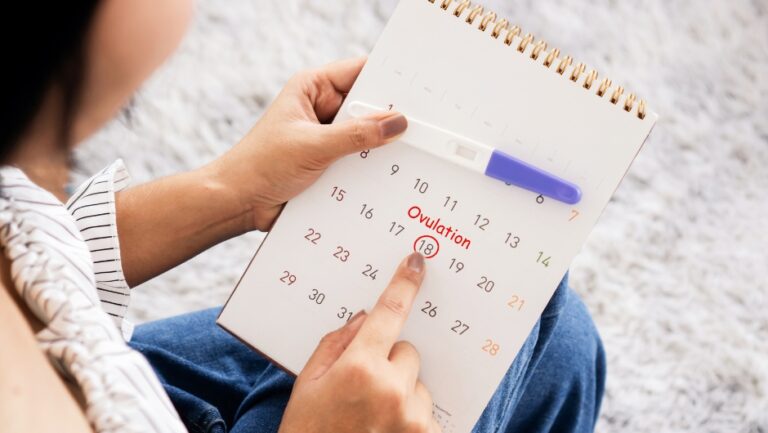
Many people believe that pregnancy can happen only within a single 24-hour window. This idea comes from the fact that the egg survives for about 24 hours after ovulation. While this is scientifically correct, it is not…
Read article
Worldwide consultation
Get a treatment plan for Gynae Disorders
Every plan begins with understanding your Prakriti (constitution), the state of your Agni (digestive fire), your reports and your daily routine — in the Amritsar clinic or online, wherever you live.