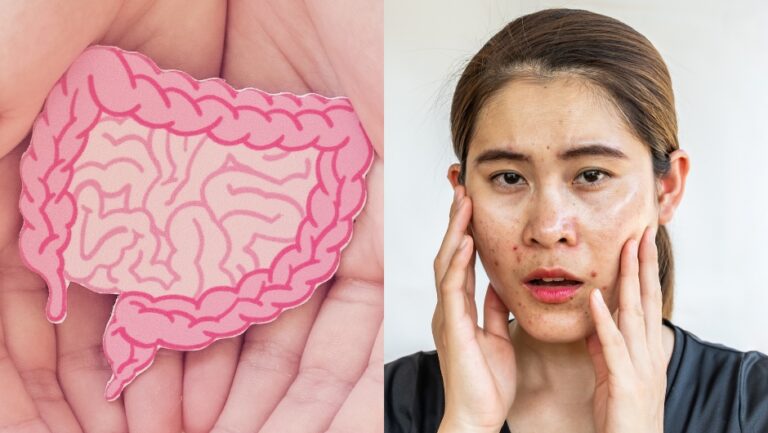
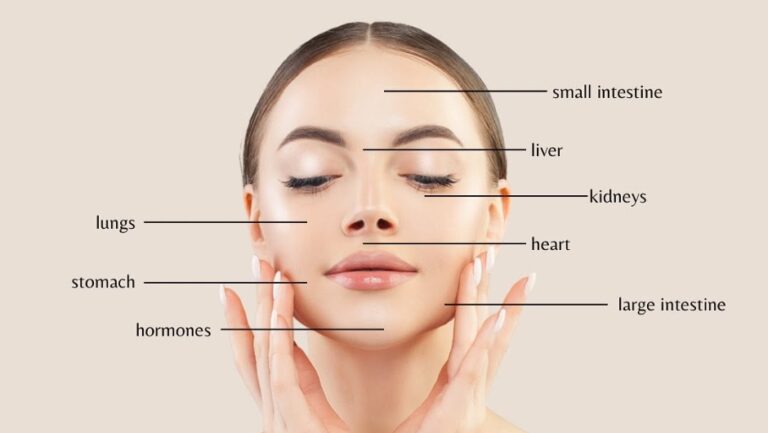
In Ayurveda the skin (Twak) is closely linked with Rasa and Rakta Dhatu — the nourishing fluid and the blood — and with Bhrajaka Pitta, which gives the skin its colour and glow. When digestion is weak, when incompatible food combinations (Viruddha Ahara) are eaten regularly, or when Pitta is aggravated by heat, stress and spicy, sour food, Ama and impurities reach the blood and appear on the skin as rashes, itching, scaling or discolouration.
Chronic skin disease therefore rarely begins in the skin itself. Ayurvedic care focuses on the gut–skin connection, purifying and cooling the blood, and the daily habits that keep the skin healthy — alongside your dermatologist.
Skin conditions we treat
Eczema Vicharchika
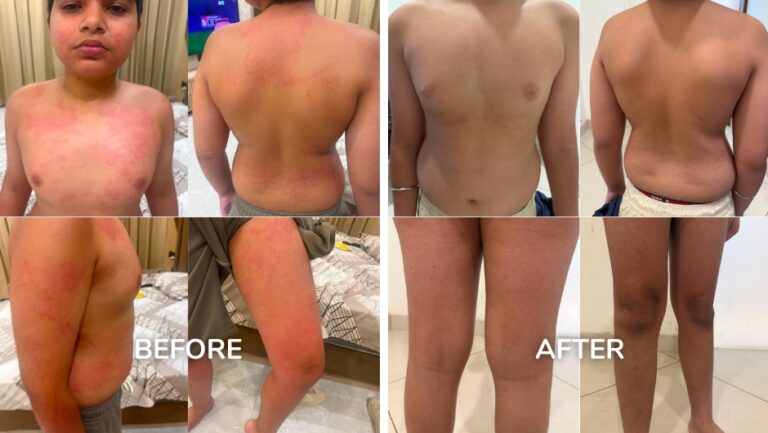
Vicharchika describes itchy, dark, thickened skin with oozing or dryness — the classical picture of eczema. It involves Kapha (itching, oozing) and Pitta (inflammation), often with Vata (dryness and cracking) in long-standing cases. Care focuses on avoiding incompatible food, excess sour, salty and fermented food and known triggers, cooling and simple meals, improving digestion, and gentle skin care that protects the skin’s barrier.
Fungal Infection Dadru
Dadru describes red, ring-shaped, itchy patches — the classical description of ringworm. Ayurveda links recurring fungal infections to excess Kapha and moisture, heavy and sweet food, sweating without bathing and changing clothes, and shared towels. Care combines diet to reduce Kapha and sweet cravings, good digestion and strict hygiene, so the infection does not keep coming back.
Psoriasis Kitibha
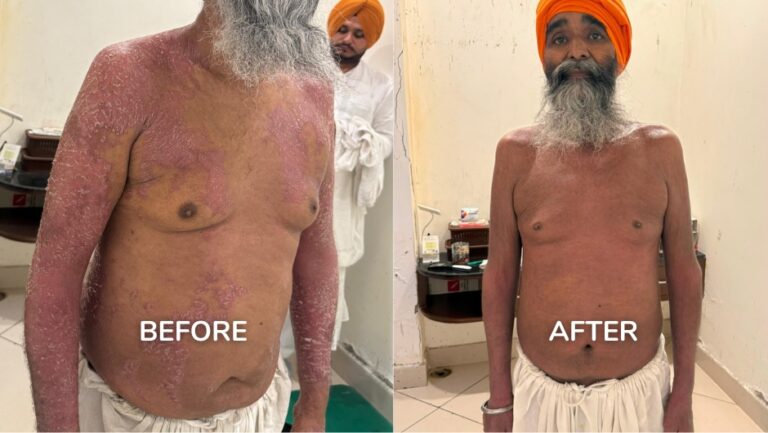
Psoriasis causes thick, silvery, scaling plaques, often on the elbows, knees and scalp. Classical texts describe Kitibha, with rough, dark, scaly skin, as a Vata–Kapha disorder of the skin and blood. Stress, alcohol, incompatible food, excess sour and salty food and weak digestion are common triggers. Care focuses on removing these triggers, a cooling and wholesome diet, restoring Agni, managing stress and keeping the skin nourished. Psoriasis is an autoimmune condition — see how Ayurveda approaches it on our Autoimmune Disorders page.
Vitiligo Shvitra
Shvitra describes white patches of skin caused by loss of pigment. Ayurveda links it to disturbed Bhrajaka Pitta and to incompatible food, and stresses the role of the mind. Progress is slow and varies widely between people. Care focuses on avoiding Viruddha Ahara, a wholesome Pitta-balancing diet, good digestion, stress reduction and sun protection, alongside dermatology care. Vitiligo is an autoimmune condition — see how Ayurveda approaches it on our Autoimmune Disorders page.
Causes according to Ayurveda
- Viruddha Ahara: incompatible combinations such as milk with fish, salt or sour fruit
- Excess sour, salty, spicy, fried and fermented food; alcohol
- Weak Agni, constipation and Ama
- Day sleep after heavy meals and suppressing natural urges such as vomiting or sneezing
- Stress, anger and anxiety, which aggravate Pitta and Vata
- Exposure to heat and sun soon after heavy exertion or meals
Common symptoms
- Itching, redness, rashes or burning
- Dry, thick or scaling patches
- Oozing or cracked skin
- Ring-shaped itchy patches in skin folds
- White or discoloured patches
- Flare-ups with stress, certain foods or seasons
Our Ayurvedic treatment approach
- Assessment of the skin, digestion, bowel habits, diet history, stress and triggers
- Removal of Viruddha Ahara and personal trigger foods
- Rakta-cooling, Pitta-balancing diet with simple, fresh and seasonal food
- Agni correction and bowel regularity
- Dinacharya and stress care, which strongly influence flare-ups
- Gentle skin-care habits suited to your skin type
Benefits of Ayurvedic care
- Works on the gut–skin connection rather than the surface alone
- Helps you understand and avoid your own triggers
- Often improves digestion and energy along with the skin
- Planned alongside your dermatologist’s treatment
When to see a doctor promptly
See a doctor for a rash with fever, rapidly spreading redness, pus or swelling, blistering over large areas, a mole that changes in size, shape or colour, or a sore that does not heal. Do not stop prescribed skin medicines, especially steroids or immunosuppressants, suddenly.