In Ayurveda the kidneys (Vrikka) are the roots of Mutravaha Srotas, the channels that form and carry urine, and they are formed from the essence of blood and fat (Rakta and Meda). Urine is one of the three main wastes (Mala) of the body; when its formation or flow is disturbed, wastes and fluids build up and affect the whole body.
Many kidney problems develop slowly from long-standing diabetes, high blood pressure, repeated stones or overuse of painkillers. Ayurveda focuses on reducing the burden on the kidneys, correcting the digestive and metabolic roots and protecting what kidney function remains — always in partnership with your nephrologist.
Kidney conditions we treat
Kidney Failure (Chronic Kidney Disease)
In chronic kidney disease the kidneys gradually lose their ability to filter wastes and balance fluids, often with few symptoms until late stages. Ayurveda sees an overburdened Mutravaha Srotas with accumulated wastes, weak Agni and depleted tissues. Ayurvedic care here is gentle and careful: a diet planned around your creatinine, potassium, phosphorus and fluid limits, easily digested and freshly cooked food, controlling the underlying diabetes or blood pressure through diet and routine, and avoiding anything that may strain the kidneys further. No herbal product is used without full review of your reports.
Kidney Stones Ashmari
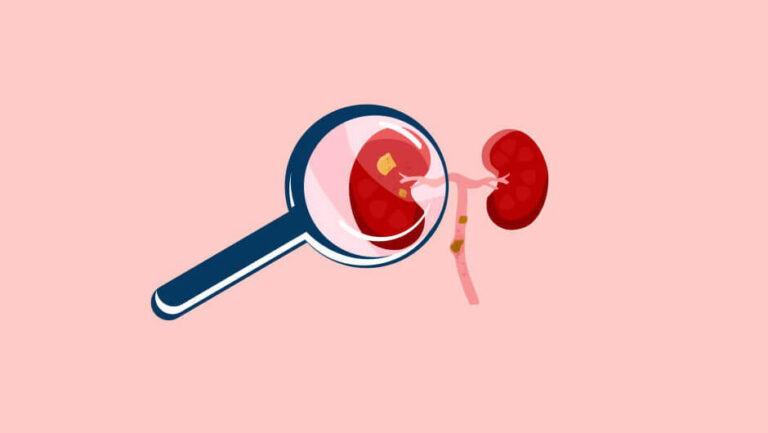
Ashmari — literally “stone” — is counted by Sushruta among the eight grave diseases (Ashta Mahagada). It arises when Kapha binds the minerals in urine and Vata and Pitta dry and harden them. Sudden, severe pain from the back to the groin, burning urine or blood in the urine are typical. Ayurvedic care aims to reduce the tendency to form new stones: adequate water through the day, reducing excess salt and the specific foods relevant to your stone type, regular meals and avoiding the habit of holding urine.
Causes according to Ayurveda
Long-standing Prameha (diabetes) and raised blood pressure, which damage the channels over time
Drinking too little water, or holding back the urge to urinate
Excess salt, heavy, fried and processed food, and incompatible food combinations
Overuse of painkillers and self-medication, including unsupervised herbal products
Weak Agni, which produces Ama and burdens the channels of elimination
Excess exertion in heat and dehydration
Common symptoms
Swelling of the feet, ankles or face
Tiredness, loss of appetite, nausea
Change in the amount, colour or frequency of urine; foamy urine
Severe pain in the side, back or groin (stones)
Burning while passing urine or blood in the urine
Raised creatinine, urea or uric acid on blood tests
Our Ayurvedic treatment approach
Detailed review of kidney function tests, ultrasound, medicines and the underlying cause
A kidney-safe diet that respects the limits set by your nephrologist, using familiar home-cooked food
Agni correction with light, easily digested meals to reduce the load of wastes
Managing the root cause — diabetes, blood pressure or recurrent stones — through diet and routine
Stone-prevention habits: hydration, timely urination and food choices suited to your stone type
Regular monitoring of reports, with the plan adjusted as they change
Benefits of Ayurvedic care
Food guidance that is both kidney-safe and practical for Indian kitchens
Works on the diabetes, blood pressure and digestive roots behind kidney problems
Gives structure to daily habits that protect the kidneys long term
Planned to work alongside your nephrologist or urologist
When to seek urgent care
Seek emergency care for severe pain in the side or back with fever or vomiting, passing very little or no urine, breathlessness, confusion, severe swelling, or blood in the urine. Never stop dialysis or kidney medicines without your nephrologist.
Frequently asked questions
Is Ayurvedic care safe if I have kidney disease?
It can be, when it is planned carefully. Damaged kidneys cannot clear many substances, so protein, potassium, phosphorus, salt and fluids often need limits set with your nephrologist. Herbal products must never be self-prescribed with kidney disease. Every plan is made after reviewing your latest reports and medicines.
How much water should I drink for kidney stones?
Most people with kidney stones are advised to drink enough to pass light-coloured urine throughout the day — often 2.5 to 3 litres, spread evenly. But if you also have kidney failure or heart disease, your fluid limit may be lower. Follow the amount advised for you.
Can I stop dialysis or kidney medicines?
No. Dialysis and prescribed medicines must never be stopped or reduced without your nephrologist. Ayurvedic diet and lifestyle care is a support alongside them.
Medical disclaimer: This page is for general education and does not replace diagnosis or treatment by a qualified doctor. Do not stop or change prescribed medicines without advice from your treating doctor. Individual results vary.
Real patient journeys
Related case studies
Individual experiences shared for education. Results vary from person to person.
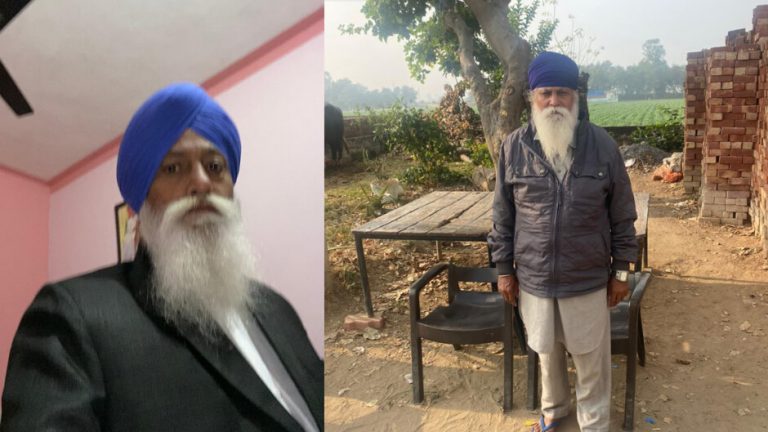
Rupinder Singh came to us with raised creatinine, a sign of reduced kidney function, along with excess weight. Outcome in 5 Months 16 kg weight loss Serum creatinine fell from 3.9 to 1.5 mg/dL Important: kidney disease…
Chronic kidney disease, also called chronic kidney failure, describes the gradual loss of kidney function. ~Dr. Raghav Thukral Overview Chronic kidney disease, also called chronic kidney failure, describes the gradual…
Read article
Worldwide consultation
Get a treatment plan for Kidney Disorders
Every plan begins with understanding your Prakriti (constitution), the state of your Agni (digestive fire), your reports and your daily routine — in the Amritsar clinic or online, wherever you live.