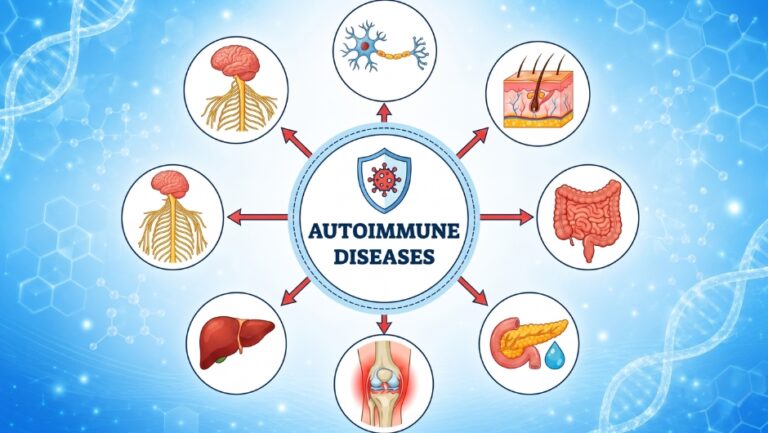
In an autoimmune disease, the body’s defence system turns against its own tissues — the joints, the skin, the gut lining or the thyroid gland. Ayurveda describes healthy immunity as Vyadhikshamatva, the strength to resist disease and to recover from it, and links it to two things: a strong digestive fire (Agni) and well-formed Ojas, the refined essence of all the tissues that gives the body stability and resilience.
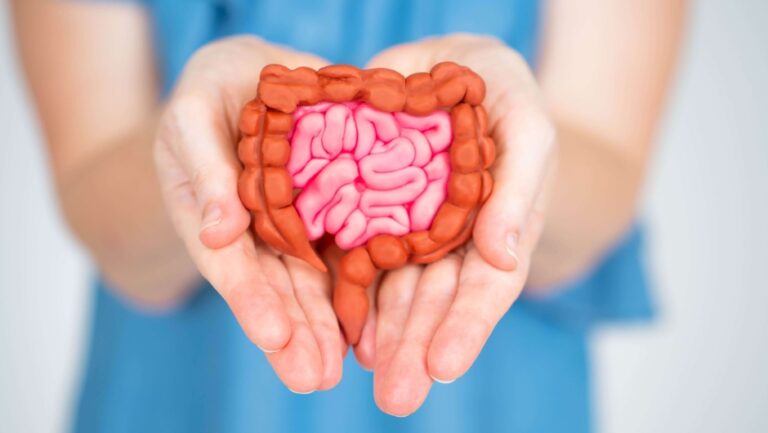
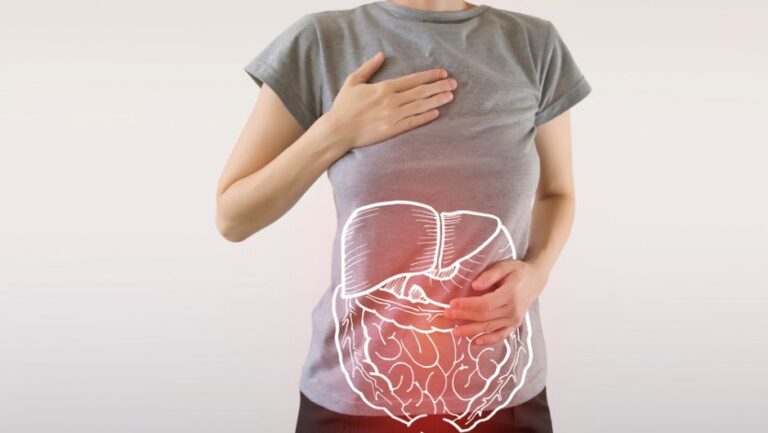
When Agni stays weak or irregular for a long time, food is not fully digested and leaves behind Ama, a heavy, sticky residue. Classical texts describe how Ama mixes with the doshas and the tissues and spreads through the channels; when it lingers, it can turn into a more harmful form (Ama-visha). Many Ayurvedic physicians relate autoimmune disease to this long-standing combination of weak Agni, Ama and disturbed Ojas. Ayurvedic care therefore works from the inside out: restoring digestion, clearing Ama, calming the dosha that drives the flare and rebuilding Ojas — always alongside your specialist’s treatment.
Autoimmune conditions we treat
Each of these conditions also has its own section on the page for its body system, linked below.
Rheumatoid Arthritis Amavata
The classical picture of Amavata — Ama carried by Vata into the joints — matches rheumatoid arthritis closely: swollen, painful small joints, morning stiffness, heaviness and poor appetite. Care begins with light, warm food to clear Ama before any nourishing diet is started. More on rheumatoid arthritis.
Ankylosing Spondylitis Prishthagraha
Inflammation of the spine and sacroiliac joints causes stiffness that eases with movement and worsens with rest. Ayurveda sees Vata obstructed by Ama and Kapha in the spinal channels. Care combines digestive correction to clear Ama with a daily routine that keeps the spine moving. More on ankylosing spondylitis.
Psoriatic Arthritis
Here the immune disturbance affects both skin and joints, so Ayurveda works on Rakta (blood) and Vata together, with Ama at the root. Avoiding incompatible food, alcohol and excess sour, salty and fermented food is central. More on psoriatic arthritis.
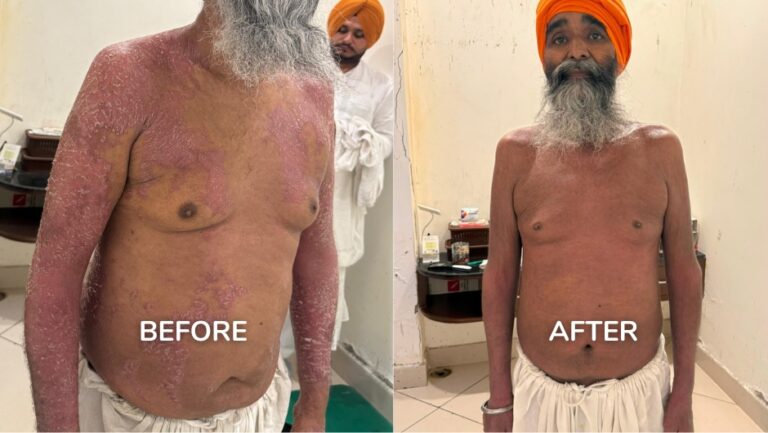
Psoriasis Kitibha
Thick, scaling plaques that flare with stress, alcohol and certain foods are described as Kitibha, a Vata–Kapha disorder of the skin and blood. Care focuses on the gut–skin connection: removing incompatible food and triggers, restoring Agni and managing stress. More on psoriasis.
Vitiligo Shvitra
Loss of pigment in patches is described as Shvitra, linked to disturbed Bhrajaka Pitta, incompatible food and the mind. Progress is slow and varies between people; care focuses on avoiding Viruddha Ahara, a wholesome Pitta-balancing diet and stress reduction. More on vitiligo.
Ulcerative Colitis Raktatisara · Pittaja Grahani
Inflammation of the colon with blood and mucus in the stools is seen as aggravated Pitta affecting the blood and the gut. Because the gut is the root of Ama, care here is gentle and cooling: easily digested food, avoiding spicy, sour, fried and fermented food and alcohol, and rebuilding strength slowly. More on ulcerative colitis.
Autoimmune Thyroid (Hashimoto’s & Graves’) Galaganda · Agni imbalance
Hashimoto’s thyroiditis, the commonest cause of an underactive thyroid, and Graves’ disease, which makes it overactive, are both autoimmune. Ayurveda sees low Agni with Kapha and Meda in the first, and excess Pitta and Vata in the second. Care focuses on correcting Agni, a diet suited to the type, and a regular routine and sleep, alongside thyroid medicine. More on thyroid disorders.
What disturbs immune balance, according to Ayurveda
- Weak or irregular Agni, which leaves Ama behind after meals
- Incompatible food combinations (Viruddha Ahara), such as milk with fish, salt or sour fruit — named by Charaka among the causes of many chronic diseases
- Eating before the previous meal is digested, late dinners and heavy, processed or reheated food
- Long-term stress, grief and poor sleep, which deplete Ojas
- Suppressing natural urges and an irregular daily routine
- Infections and illnesses after which digestion never fully recovers
Common signs
- Fatigue that does not improve with rest
- Joint pain, swelling or morning stiffness
- Skin rashes, scaling plaques or loss of pigment
- Loose stools with blood or mucus, bloating and abdominal pain
- Unexplained weight change, feeling cold or hot, hair fall
- Symptoms that come and go in flares, often after stress, illness or certain foods
Our Ayurvedic treatment approach
- Detailed assessment of Prakriti, Agni, bowel habits, triggers, reports and current medicines
- Ama Pachana: light, warm, easily digested food and kitchen spices to clear Ama first
- Removing Viruddha Ahara and personal trigger foods
- Dosha-specific diet for the pattern driving your condition — Vata in the joints, Pitta in the gut and blood, Kapha in the thyroid
- Rebuilding Ojas once Ama is cleared, with nourishing, Sattvic food, good sleep and a calm routine
- Regular follow-ups to track flares and reports, working with your specialist
Benefits of Ayurvedic care
- Works on digestion and Ama, the root Ayurveda sees behind immune imbalance
- Helps you recognise and avoid your own flare triggers
- Supports energy, sleep and mood, which suffer in long-term illness
- Planned alongside immunosuppressants, DMARDs, biologics or thyroid medicine
When to seek medical care promptly
Seek medical care for fever or signs of infection while on immune-suppressing medicines, a sudden severe flare, a hot and swollen joint, heavy bleeding from the bowel, rapid weight loss, palpitations, or new weakness, numbness or vision changes. Never stop immunosuppressants, DMARDs, biologics, steroids or thyroid medicine without your specialist.