Ulcerative Colitis: An Ayurvedic Approach to Diet and Care
 Dr. Raghav ThukralM.D. (Ayurveda)

In this article
What Is Ulcerative Colitis?
Ulcerative colitis (UC) is a chronic inflammatory disease of the large intestine, in which the lining of the colon becomes inflamed and develops small open sores (ulcers). It is caused by an overactive immune response and usually alternates between flare-ups and periods of remission.
Symptoms
- Diarrhoea, often with blood or mucus
- Abdominal pain and cramps
- Rectal pain and bleeding
- Urgency to pass stool, or inability to pass stool despite urgency
- Weight loss and fatigue
Causes as per Ayurveda
Ayurveda relates UC to aggravated Pitta (heat and inflammation) affecting the colon, often described within Raktatisara (bloody diarrhoea). Contributing factors include:
- Excessive sour, salty, spicy and incompatible foods
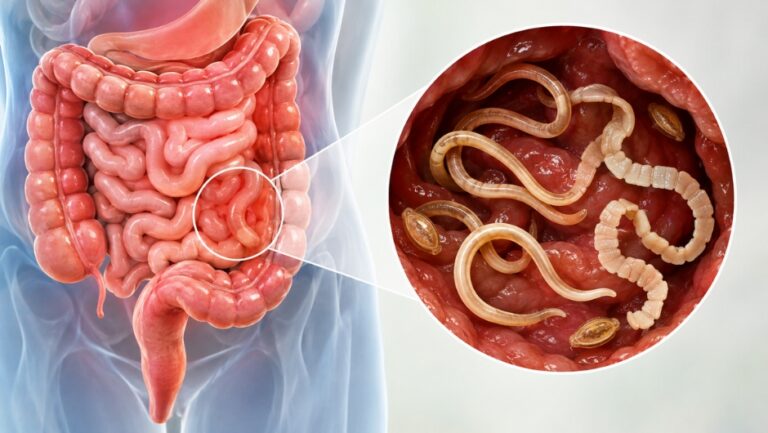
- Intestinal infections and parasites
- Excess heat in the body
- Unmanaged stress, suppressed anger and prolonged grief
The Ayurvedic Approach
During a flare-up:
- Very light, easy-to-digest meals in small portions
- Stress management and emotional support
- Ayurvedic medicines prescribed for the individual, alongside medical treatment
As symptoms settle:
- A gradually more nourishing diet to regain strength
- Medicines and foods to rebuild digestion and the gut lining
Ulcerative colitis is a long-term condition. With the right diet, Ayurvedic support and close follow-up alongside your gastroenterologist, many people experience fewer flare-ups and a much better quality of life. Plans are tailored to each person’s dosha — Vata, Pitta or Kapha.
What to Eat During a Flare
- Soft, well-cooked foods: rice kanji, moong dal khichdi, bottle gourd (lauki), pumpkin and well-cooked vegetables
- Peeled, ripe banana and stewed apple
- Fluids to prevent dehydration: water, rice water and diluted buttermilk if tolerated
- Avoid spicy, fried and very sour foods, alcohol, caffeine, raw salads and high-fibre foods until symptoms settle
Eating in Remission
Once symptoms are controlled, reintroduce foods one at a time and note how you feel. Gentle sources of soluble fibre, fresh buttermilk, cooked vegetables and adequate protein help rebuild strength. Keeping a food and symptom diary helps identify personal triggers.
Work With Your Doctor
Do not stop medicines such as mesalamine, steroids or immunosuppressants without your gastroenterologist’s advice — stopping suddenly can trigger a severe flare. Regular check-ups and colonoscopy monitoring remain important. You can read about a patient’s journey with ulcerative colitis and our Digestive Disorders treatment page.
Seek Urgent Care If
You have heavy rectal bleeding, severe abdominal pain or swelling, fever, signs of dehydration (dizziness, very little urine), or more than six bloody stools a day.
Related treatments
- Digestive Disorders Program: Digestive Care
- Autoimmune Disorders Program: Autoimmune Care
Disclaimer: This article is for general education and is not a substitute for personal medical advice. Please consult a qualified doctor before making changes to your diet, supplements or medicines.