Ayurvedic Home Remedies for Common Health Problems
 Dr. Raghav ThukralM.D. (Ayurveda)
In this article
For generations, Indian kitchens have been the first place families turn to when someone has a cold, an upset stomach or a headache. Many of these traditional Ayurvedic remedies use simple ingredients — ginger, turmeric, fennel, honey, ghee — and can offer genuine comfort for everyday, minor complaints.
This guide brings together the home remedies Dr. Raghav Thukral has shared over the years, organised by concern. Each section explains when a remedy is appropriate and, just as importantly, when you should see a doctor instead.
How to Use Home Remedies Safely
- They are for mild, short-term problems. Home remedies support comfort and recovery; they do not treat serious or long-standing illness.
- Never stop prescribed medicines. If you take medicines for blood pressure, diabetes, thyroid or any other condition, continue them. Talk to your doctor before adding herbal preparations.
- Be careful with children, pregnancy and chronic illness. Doses for children are much smaller, and some herbs are not suitable during pregnancy or breastfeeding.
- No honey for babies under 12 months — it can cause infant botulism.
- Patch-test anything applied to the skin on a small area first, and stop if it stings, burns or causes redness.
- Diabetes: many traditional recipes use sugar, jaggery, honey or mishri. Leave these out or check with your doctor.
Digestion
Constipation
- Start the day with a glass of warm water, which helps trigger the natural urge to go.
- Soak 8–10 raisins or 2 dried figs overnight and eat them in the morning. Apples, papaya and oranges are also helpful.
- Take 1 teaspoon of fennel seeds (saunf) after meals, or ½–1 teaspoon of fennel powder with warm water at bedtime.
- A teaspoon of honey in a glass of water at night can help some adults.
- Squeeze half a lemon into warm water with a pinch of rock salt in the morning — skip this if you have acid reflux.
- Psyllium husk (isabgol) with a full glass of water or milk at bedtime adds gentle fibre; always drink plenty of water with it.
See a doctor if constipation lasts more than three weeks, you notice blood in the stool, you have unexplained weight loss or severe pain, or your bowel habits change suddenly after age 45. Read more in our Digestive Disorders treatment page and remedies for gas and bloating.
Acidity and heartburn
- Eat smaller meals and avoid lying down for 2–3 hours after eating.
- Chew a teaspoon of fennel seeds after meals, or sip fennel water.
- Ripe bananas are soothing for many people; some also find a little cool milk calming.
- For gas, a pinch of ajwain (carom seeds) with a few drops of lemon juice is a traditional remedy.
- Reduce spicy, fried and sour foods, and avoid tea or coffee on an empty stomach.
See a doctor if you have acidity more than twice a week, difficulty swallowing, vomiting, black stools, unexplained weight loss, or chest pain — chest pain can be a heart problem, so do not assume it is acidity.
Gas and tummy discomfort in babies and children
- Gently massage the tummy in a clockwise direction, or use a warm (not hot) compress.
- A traditional remedy is a small pinch of roasted hing (asafoetida) mixed with a little warm water or ghee and applied around the navel — on the skin, not taken by mouth, for infants.
- For children over one year, a few sips of cooled water boiled with a pinch of ajwain (carom seeds) or cumin can ease gas.
See a paediatrician if a baby cries inconsolably, vomits repeatedly, has a swollen or hard belly, fever, blood in the stool, or is not feeding well.
Colds, Coughs and Seasonal Care
Colds in adults
- Mix 1 teaspoon each of fresh ginger juice and honey and take it once or twice a day.
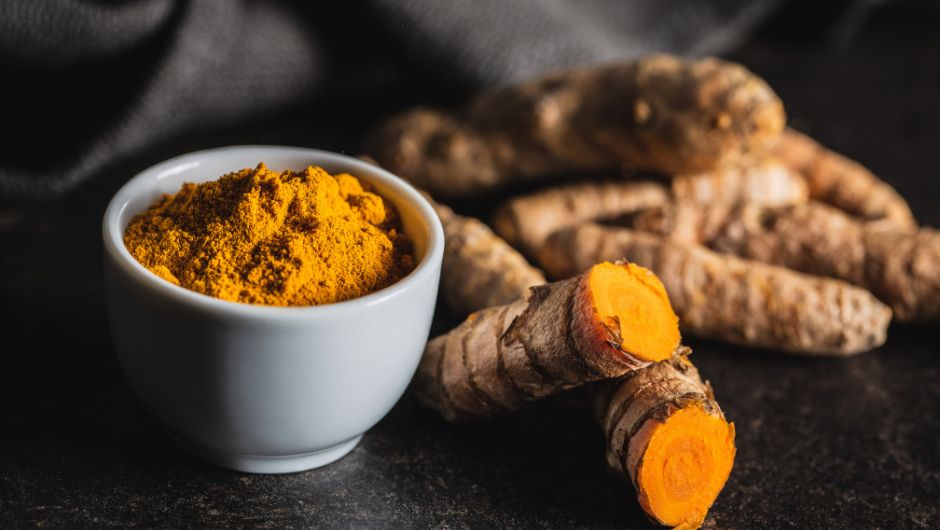
- Drink warm turmeric milk (haldi doodh) at night, with a little jaggery if you are not diabetic.
- Boil crushed black pepper, ginger and tulsi leaves in water for a warming kadha; sip it hot.
- Chew a pinch of roasted ajwain with a little rock salt, followed by lukewarm water, to ease congestion.
- Steam inhalation and plenty of warm fluids help loosen mucus.
See a doctor if you have a high fever for more than three days, difficulty breathing, chest pain, or symptoms lasting more than ten days.
Coughs and colds in children
- For children over one year: half a teaspoon of tulsi leaf juice mixed with half a teaspoon of honey, up to three times a day.
- Gently rub a little warm ghee or warm mustard oil on the chest and back at bedtime.
- For older children, a small pinch of dry ginger powder (saunth) mixed with jaggery and ghee is a traditional soothing remedy.
- Keep children well hydrated with warm water, soups and dal.
See a paediatrician urgently if a baby under three months has any fever, or if your child breathes fast or with effort, wheezes, is unusually drowsy, refuses fluids, or has a fever for more than three days.
Staying well in the rainy season
- Eat light, freshly cooked, easily digested food; digestion is naturally weaker during the monsoon in Ayurveda.
- Drink boiled or properly filtered water.
- Add ginger, garlic, black pepper and a squeeze of lemon with black salt to meals to support digestion.
- Avoid street food and raw salads when hygiene is uncertain.
- Classical formulations such as Sudarshan churna are traditionally used for seasonal fevers, but take them only on a practitioner’s advice.
See a doctor for any fever during the monsoon — dengue, malaria and typhoid are common and need testing.
Aches and Pains
Headache
- Rest in a quiet, dark room and drink water — dehydration is a common trigger.
- Apply a paste of cinnamon powder and water, or sandalwood paste, to the forehead for a cooling, soothing effect.
- For a headache that comes with a cold, sip a warm decoction of whole coriander seeds.
- Regular sleep, meals and screen breaks help prevent tension headaches.
Seek urgent care for a sudden, severe headache, headache with fever and a stiff neck, headache after a head injury, or headache with confusion, weakness, or changes in vision or speech.
Neck and shoulder pain
- Massage gently with warm sesame oil.
- Cook a few cloves of garlic in castor or sesame oil until golden, let it cool completely, strain, and use it for massage.
- Apply a warm compress, stretch gently and correct your posture at the desk and phone.
- Dashmool decoction is a classical remedy for musculoskeletal pain; take it only on a practitioner’s advice.
See a doctor if pain follows an injury, spreads down the arm with numbness or weakness, comes with fever, or does not improve within two weeks. See our Joint Pain treatment page.
Menstrual cramps
- Sip warm water through the day and use a hot water bottle on the lower abdomen.
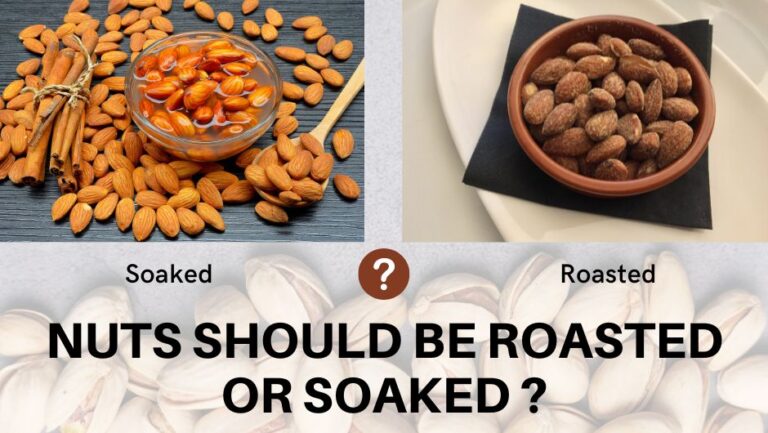
- Soak 8–10 almonds overnight, peel them and eat them in the morning.
- Make a warm tea by simmering crushed ginger, 2–3 black peppercorns and a cardamom pod in water and milk.
- Gentle yoga and walking can ease cramping.
See a gynaecologist if bleeding is very heavy, pain stops you from daily activities, you have pain between periods, or your cycles are irregular. Read our PMOS treatment page.
Skin and Hair
Pimples
- Mix 2 teaspoons of gram flour (besan) with curd into a face pack; apply for 10–15 minutes and rinse.
- Wash the face with buttermilk, or apply a paste of dried orange peel powder and water.
- A paste of multani mitti (fuller’s earth) with grated potato helps absorb excess oil.
- Avoid picking pimples, and cut down on sugary and deep-fried foods.
See a dermatologist if acne is painful and cystic, leaves scars, or comes with irregular periods or excess facial hair.
Blemishes and freckles
- Apply a thin paste of turmeric powder and milk for 15–20 minutes, then rinse.
- Massage with fresh cream (malai) or curd and wash off after 15 minutes.
- Honey applied for 15 minutes gently moisturises the skin.
- Use sunscreen daily — sun exposure is the main reason pigmentation darkens.
See a doctor if a spot or mole changes in size, shape or colour, bleeds, or looks different from others.
Dandruff
- Massage warm coconut or almond oil into the scalp and wash it off after an hour or the next morning.
- A few drops of lemon juice mixed into coconut oil can help loosen flakes — skip it if your scalp is sore or broken.
- Wash hair regularly with a mild shampoo and avoid very hot water.
See a dermatologist if the scalp is red and inflamed, flaking spreads to the face or body, or dandruff does not improve with regular care.
Hair fall
- Soak amla (Indian gooseberry) powder overnight, strain, and use the water as a final hair rinse.
- Grind tulsi, bhringraj and amla leaves into a paste and apply to the scalp for 30 minutes.
- Boiled, ground urad dal makes a nourishing hair pack.
- Eat enough protein, iron-rich foods and fresh fruit, and manage stress.
See a doctor if hair falls out in patches or clumps, or hair fall comes with tiredness, weight change or irregular periods — thyroid problems and low iron are common, treatable causes. See our Skin Disorders treatment page.
Stress and Low Mood
- Eat regular meals that include whole grains, pulses, green leafy vegetables, nuts and bananas — good sources of B vitamins and magnesium.
- Sip a warm cup of cardamom tea, or rose petal tea, as a calming ritual.
- Keep a steady sleep routine, spend time outdoors, and practise slow breathing or yoga.
- Talk to someone you trust.
Home remedies are not a treatment for depression. If low mood lasts more than two weeks, or you have thoughts of harming yourself, contact a doctor straight away — in India, call the free Tele-MANAS helpline at 14416. See our Anxiety, Depression & Insomnia treatment page.
Weight, Blood Pressure, Thyroid and Haemoglobin
Weight management
- Start the morning with warm water, lemon juice and a pinch of black pepper.
- Chew 8–10 fresh curry leaves in the morning, and add tomatoes or a salad before meals to help with fullness.
- If you use vinegar, dilute 1–2 teaspoons in a glass of water with a meal; avoid it if you have acidity.
No single drink or leaf melts fat. Lasting weight loss comes from the overall pattern of your meals, activity, sleep and stress. Read our Obesity treatment page.
Blood pressure
- Cut down on salt, pickles, papads and packaged foods — this is the single most effective food change.
- Walk daily and practise slow breathing to manage stress.
- Amla (Indian gooseberry) juice diluted in water, and a little roasted fennel and cumin powder after meals, are traditional supportive remedies.
- Herbal formulations such as Triphala should only be taken on a practitioner’s advice.
High blood pressure often has no symptoms, so check it regularly and never stop blood pressure medicines without your doctor. Seek emergency care for a severe headache with very high readings, chest pain, breathlessness, confusion or blurred vision. See our Blood Pressure & Cholesterol treatment page.
Thyroid health
- Coriander (leaves or seeds) steeped in warm water, and fenugreek seeds soaked overnight, are traditional supportive drinks.
- Eat regular, balanced meals with enough protein and use iodised salt.
These foods support general wellbeing; they do not replace thyroid medicine. Fenugreek can lower blood sugar, so take care if you are diabetic. Keep having your thyroid levels checked. See our Thyroid treatment page.
Low haemoglobin (anaemia)
- Include iron-rich foods: green leafy vegetables, pulses, dates, dried figs, jaggery, beetroot and pomegranate.
- Pair them with vitamin C — amla, lemon, oranges or guava — to improve iron absorption.
- Figs or dates soaked in warm milk and a glass of carrot–beetroot juice are traditional strengthening foods.
- Avoid tea and coffee with meals, as they reduce iron absorption.
Get a blood test if you feel very tired, breathless or dizzy. Anaemia has many causes — including heavy periods, vitamin B12 deficiency and bleeding — that need a proper diagnosis.
Kidney and Gallbladder Stones
There is no proven home remedy that dissolves gallstones, and larger kidney stones usually need medical treatment. What helps is prevention:
- Drink enough water to keep your urine pale — often 2.5–3 litres a day, unless your doctor has advised otherwise.
- Lemon water provides citrate, which may help prevent some types of kidney stones.
- Limit salt and excess animal protein. Do not cut out dietary calcium unless advised; if you have oxalate stones, eat high-oxalate foods such as spinach in moderation.
Seek urgent care for severe pain in the side, back or upper abdomen, pain with fever or vomiting, blood in the urine, yellowing of the eyes, or difficulty passing urine. See our Kidney Disorders treatment page.
When Home Remedies Are Not Enough
Home remedies work best for mild problems that settle within a few days. If a symptom is severe, keeps coming back, or you have a long-term condition, a proper assessment makes all the difference. Book a consultation with Dr. Raghav Thukral for a personalised plan built around your constitution, reports and lifestyle.
Related treatments
- Joint Pain Program: Joint & Spine Care
- Digestive Disorders Program: Digestive Care
- Neurological Disorders Program: Mind & Sleep Care
Disclaimer: This article is for general education and is not a substitute for personal medical advice. Please consult a qualified doctor before making changes to your diet, supplements or medicines.