Ayurveda describes the heart (Hridaya) as the root of the channels that carry Rasa — the nourishing fluid formed from digested food — and the seat of Ojas, the essence of vitality. From here Vyana Vata circulates Rasa and Rakta (blood) through every part of the body. When digestion is weak, Ama and excess fat (Meda) clog these channels; when the blood itself is depleted, the body loses colour, strength and energy.
The mind matters too: Ayurveda names grief, worry and anger among the causes of heart disease. Care for circulatory conditions therefore combines diet, daily routine and calmness of mind, alongside your cardiologist’s or physician’s treatment.
Circulatory conditions we treat
Anaemia Pandu
Pandu, meaning pale, describes weakness, breathlessness on exertion, palpitations, pale skin and lack of energy. Ayurveda traces it to weak digestion and poor formation of Rakta, often due to unbalanced diet, excess sour, salty or spicy food, eating clay or chalk, or blood loss. Care focuses on restoring Agni so that nutrients are absorbed, and on iron-rich, blood-building foods suited to your digestion — with tests to find and treat the cause.
High Blood Pressure Uccha Raktachapa
Classical texts do not name hypertension directly, but Ayurveda understands it as disturbed Vyana Vata with Pitta and Kapha affecting the blood and channels. Stress, excess salt, pickles and processed food, alcohol, excess weight, poor sleep and inactivity all contribute. Care centres on a low-salt, fresh-food diet, regular meals and sleep, weight management, and calming the mind.
Coronary Artery Disease Hridroga
In coronary artery disease the arteries of the heart are narrowed by fatty deposits. Ayurveda describes channels obstructed by Kapha, Meda and Ama, which restrict the flow of Rasa and Rakta to the heart. Ayurvedic support focuses on a light, heart-friendly diet, reducing fried, heavy and processed food, regular routine and stress reduction — strictly alongside your cardiologist’s treatment and medicines.
High Cholesterol Medoroga
High cholesterol and triglycerides reflect disturbed fat metabolism — a disorder of Meda Dhatu caused by weak Medo-dhatvagni (the fire that metabolises fat). Heavy, oily and sweet food, eating without hunger, day sleep and inactivity are the main causes. Care focuses on light, fibre-rich meals, regular timing, an early dinner and an active daily routine.
Causes according to Ayurveda
- Heavy, oily, fried, very salty and processed food; excess sweets
- Eating without hunger, overeating and late dinners
- Sedentary habits and day sleep after meals
- Stress, grief, anger and chronic worry
- Alcohol and tobacco
- Weak Agni, leading to Ama and poorly formed blood and tissues
Common symptoms
- Often none — high blood pressure and cholesterol may only show on tests
- Headache, giddiness or heaviness of the head
- Breathlessness or chest discomfort on exertion
- Tiredness, pale skin, palpitations (anaemia)
- Swelling of the feet
Our Ayurvedic treatment approach
- Review of reports — blood pressure log, lipid profile, haemoglobin, ECG and medicines
- Heart-friendly Ahara: fresh, light, low-salt meals with whole grains, vegetables and seasonal fruit
- Agni and Meda correction to reduce Ama and excess fat in the channels
- Blood-building diet for anaemia, matched to your digestion
- Vihara: regular sleep, daily activity suited to your heart’s condition, and stress reduction
- Regular monitoring with your physician or cardiologist
Benefits of Ayurvedic care
- Works on diet, routine and mind together — the three pillars of heart health
- Practical changes using familiar Indian food
- Supports healthy weight, blood sugar and digestion at the same time
- Planned alongside your cardiologist’s treatment
When to seek emergency care
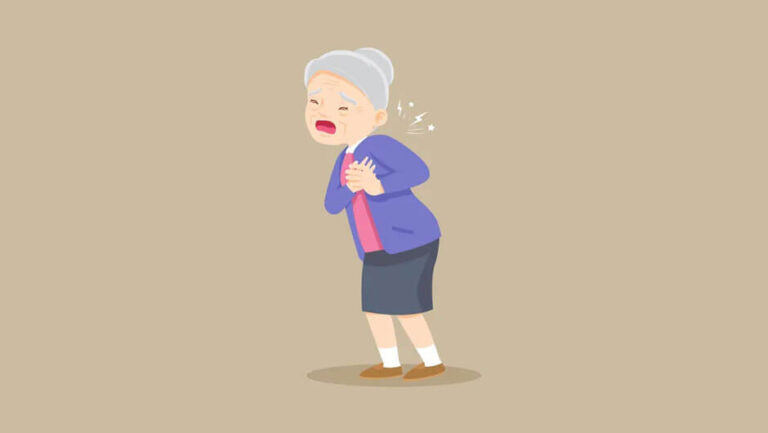
Call for emergency help for chest pain or pressure, pain spreading to the arm, jaw or back, sudden breathlessness, fainting, sudden weakness or numbness of the face or limbs, or difficulty speaking. Never stop blood pressure, cholesterol or heart medicines without your doctor.