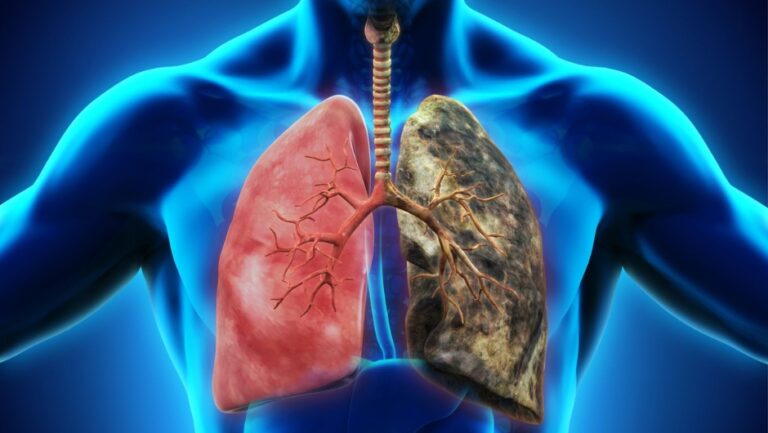
Breath is the outward form of Prana, the life force. Ayurveda calls the respiratory system Pranavaha Srotas — the channels that carry Prana — and describes their roots in the heart and the digestive tract. When Kapha builds up and blocks these channels, or Vata becomes dry and erratic, breathing becomes laboured, the nose and sinuses congest, and the voice loses its strength.
Most chronic respiratory problems also have a digestive component. Undigested food creates Ama and excess Kapha, which then rise to the chest, throat and head. Ayurvedic treatment therefore works on the breathing channels and on the Agni that feeds them.
Respiratory conditions we treat
Asthma Tamaka Shwasa
Tamaka Shwasa describes breathlessness with wheezing that often worsens at night, in cloudy or cold weather, and after Kapha-increasing food — exactly the pattern many asthma patients recognise. Kapha obstructs the path of Prana Vata, which then moves in the wrong direction. Care focuses on light, warm and early meals, avoiding cold and heavy food, correcting digestion and constipation, and seasonal routines that prevent Kapha from accumulating.
Chronic Laryngitis Swarabheda
Swarabheda means a change in the voice — hoarseness, weakness or loss of voice. Ayurveda describes types caused by Vata (dry, rough voice), Pitta (burning throat), Kapha (thick, heavy voice with mucus) and overuse. Treatment depends on the type and includes warm, soothing food, avoiding very cold, spicy or sour items, rest for the voice and attention to acid reflux, which often irritates the throat.
Sinusitis Dushta Pratishyaya
When a cold keeps returning or never fully clears, Ayurveda calls it Dushta Pratishyaya — a chronic, “vitiated” catarrh with blocked nose, facial heaviness, headache and thick discharge. Kapha accumulation and weak digestion are the usual roots. Care involves reducing Kapha-forming food, warm and light meals, avoiding day sleep after meals and cold exposure to the head, and steady, season-wise routines.
Rhinitis Pratishyaya
Repeated sneezing, runny or blocked nose and itchy eyes — often triggered by dust, cold air or seasonal change — are described as Vataja or Kaphaja Pratishyaya. In allergic rhinitis, Ayurveda looks at the person’s reactivity as a sign of weak Agni and low Ojas (vitality). Care aims to strengthen digestion and resilience through diet, sleep and seasonal routine (Ritucharya), while reducing exposure to known triggers.
Causes according to Ayurveda
Cold, heavy, oily and sweet food, chilled drinks and ice cream, especially in the evening
Curd at night, excess dairy and refrigerated or reheated leftovers for Kapha-prone people
Late dinners and day sleep after meals
Exposure to dust, smoke, cold wind and sudden changes in temperature
Weak Agni and chronic constipation, which allow Ama and Kapha to build up
Suppressing natural urges such as sneezing or coughing, and overexertion
Common symptoms
Breathlessness, wheezing or chest tightness, especially at night or early morning
Frequent sneezing, runny or blocked nose
Facial pain, headache or heaviness over the sinuses
Hoarse or weak voice and throat irritation
Cough with or without mucus
Symptoms that worsen with weather changes or certain foods
Our Ayurvedic treatment approach
Assessment of Prakriti, digestion, triggers, seasons and current medicines
Kapha-balancing diet: warm, light, freshly cooked food with digestive spices such as ginger, black pepper and turmeric
Agni correction to stop the formation of Ama and excess mucus at its source
Dinacharya and Ritucharya: daily and seasonal routines, including early dinners and protection from cold
Breathing-friendly habits and avoidance of known triggers
Classical Ayurvedic support where suitable, after consultation
Benefits of Ayurvedic care
Looks at the digestive roots of recurring congestion and allergies
Season-wise guidance helps you anticipate and prevent flare-ups
Simple, food-based changes that fit family life
Works alongside inhalers and other prescribed treatment
When to seek urgent care
Seek emergency care for severe breathlessness, difficulty speaking in full sentences, blue lips or fingertips, an inhaler that is not helping, or chest pain. See a doctor for a cough lasting more than three weeks, coughing up blood, high fever, or hoarseness lasting more than three weeks.
Frequently asked questions
Why does Ayurveda link asthma and allergies to digestion?
According to Charaka, Tamaka Shwasa (asthma) originates in the stomach region (Amashaya) — weak digestion produces Kapha and Ama that travel to the chest and block the flow of Prana Vata. That is why many people notice their breathing is worse after heavy, cold or late meals, and why correcting digestion is a central part of care.
Which foods make Kapha-type breathing problems worse?
Cold drinks, ice cream, curd at night, heavy fried food, excess sweets, refrigerated leftovers and late dinners commonly increase mucus and congestion. Warm, freshly cooked and lightly spiced food is usually better tolerated. Your plan is adjusted for your constitution and season.
Should I stop my inhaler?
No. Inhalers can be life-saving. Ayurvedic care works alongside your prescribed treatment, and any change to inhalers or other medicines must be made only by your treating doctor.
Medical disclaimer: This page is for general education and does not replace diagnosis or treatment by a qualified doctor. Do not stop or change prescribed medicines without advice from your treating doctor. Individual results vary.
Did you know that just living in India is equal to smoking about 8 cigarettes per day? And if you live in Delhi, the impact is even worse! Air pollution is a serious health hazard, but the good news is that you can take…
Read article
Worldwide consultation
Get a treatment plan for Respiratory Disorders
Every plan begins with understanding your Prakriti (constitution), the state of your Agni (digestive fire), your reports and your daily routine — in the Amritsar clinic or online, wherever you live.