Ayurveda treats body and mind as one. The mind (Manas) has three qualities: Sattva — clarity, calm and balance; Rajas — activity and restlessness; and Tamas — inertia and dullness. When Rajas and Tamas dominate, and when the doshas — especially Vata — are disturbed, the result can be anxiety, low mood, sleeplessness or headaches. The nervous system itself is nourished by Majja Dhatu, the marrow and nerve tissue.
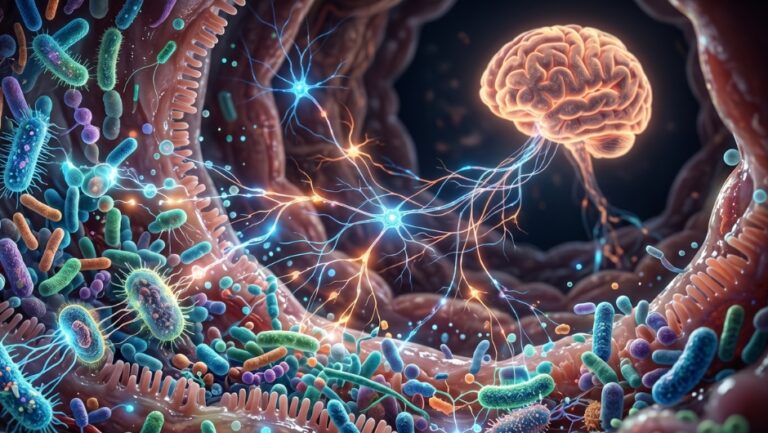
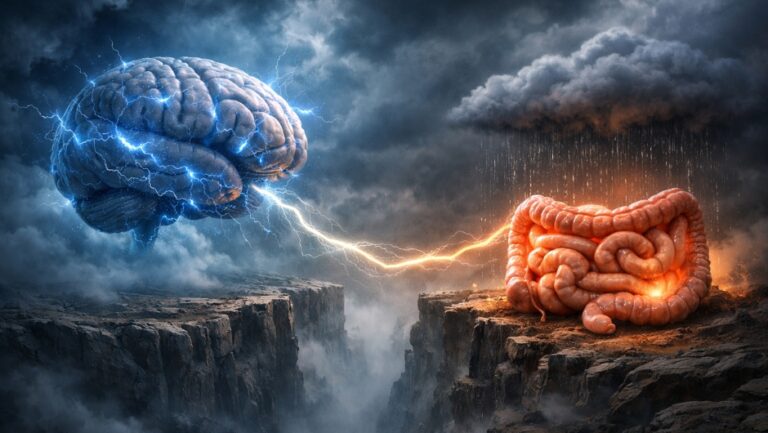
Ayurveda also links the mind closely with digestion. Irregular meals, stale or heavy food and Ama in the gut are seen as clouding the mind, while regular routine, wholesome food and good sleep steady it. Care for these conditions brings together diet, daily rhythm and Sattvavajaya — the classical Ayurvedic approach to strengthening the mind.
Conditions we treat
Anxiety Disorder Chittodvega
Chittodvega means an agitated, anxious mind. It is mainly a Vata disturbance: racing thoughts, worry, palpitations, poor sleep and digestive upset. Vata is calmed by warmth, regularity and nourishment — warm, freshly cooked meals at fixed times, an early and regular sleep schedule, reduced caffeine and screen time, and calming daily practices. Gut health and blood sugar swings, which often fuel anxiety, are also addressed.
Depression Vishada
Vishada describes a heavy, low mood with loss of interest, fatigue and withdrawal — often a Kapha and Tamas picture, though it can also follow long periods of Vata-driven stress. Care focuses on lightening and stimulating: a regular wake-up time, morning sunlight and activity, light and fresh food, avoiding day sleep and heavy, stale meals, and restoring digestion. Professional psychological and medical care remain essential.
Insomnia Anidra
Charaka counts sleep (Nidra) among the three pillars of life, alongside food and regulated living. Anidra, sleeplessness, is usually caused by aggravated Vata or Pitta — from late nights, screens, stress, irregular meals, excess tea or coffee, or a heavy dinner close to bedtime. Care focuses on restoring the natural rhythm: a fixed bedtime and wake time, an early, light dinner, a calming evening routine and Vata-pacifying food.
Migraine Ardhavabhedaka
Ardhavabhedaka means a headache affecting half of the head — the classical description of migraine — with throbbing pain, nausea and sensitivity to light. Ayurveda sees Vata and Pitta as the usual drivers, triggered by skipped meals, fasting, sun and heat exposure, lack of sleep, sour and fermented food, stress and acidity. Care focuses on regular meals, identifying personal triggers, cooling Pitta, good sleep and correcting digestion.
Causes according to Ayurveda
- Irregular routine — late nights, skipped meals, erratic sleep
- Excess stimulation: screens, noise, caffeine and overwork
- Stale, processed, very spicy or heavy food that increases Rajas and Tamas
- Weak digestion and Ama, which cloud the mind
- Suppressed emotions, grief, fear and long-term stress
- Lack of sunlight, activity and meaningful connection
Common symptoms
- Persistent worry, restlessness, palpitations
- Low mood, loss of interest, fatigue
- Difficulty falling or staying asleep; waking unrefreshed
- Recurrent one-sided headaches with nausea or sensitivity to light
- Poor concentration and irritability
- Digestive upset that worsens with stress
Our Ayurvedic treatment approach
- Unhurried consultation covering sleep, routine, digestion, stress and medicines
- Sattvic, dosha-balancing diet with regular meal times
- Dinacharya: a daily rhythm for waking, meals, activity, screens and sleep
- Gut–mind care: restoring Agni and bowel regularity
- Sattvavajaya: guidance to steady the mind and build resilience
- Trigger diary for migraine and sleep problems
Benefits of Ayurvedic care
- Looks at food, routine, sleep and mind together
- Gentle, practical changes that build stability over time
- Often improves digestion and energy at the same time
- Works alongside your psychiatrist, psychologist or neurologist
When to seek help straight away
If you have thoughts of harming yourself, seek help immediately — in India, call the free Tele-MANAS helpline at 14416. Seek emergency care for a sudden, severe “worst-ever” headache, headache with fever and stiff neck, weakness, confusion, loss of vision or speech, or a headache after a head injury.