Ayurveda understands metabolism through Agni — not only the fire of digestion in the stomach, but also the Dhatvagni that transforms nourishment within each tissue. When these fires become weak or disturbed, the body cannot use food properly: fat (Meda) accumulates, sugar is not handled well and the whole system slows down. Charaka groups Prameha (diabetes) and Sthaulya (obesity) among the diseases caused by over-nourishment and inactivity — and that is why they so often appear together.
Endocrine and metabolic conditions develop over years and are closely tied to daily habits. Ayurvedic care focuses on correcting Agni and reducing excess Kapha and Meda through diet, timing and routine, while you continue the care of your physician or endocrinologist.
Endocrine conditions we treat
Diabetes Prameha · Madhumeha
Prameha literally means excessive urination, and Madhumeha — “honey urine” — is the classical description of diabetes. Charaka lists its causes clearly: comfortable sitting, excessive sleep, too much curd, new grains, sweets, jaggery and other Kapha-increasing food. Care focuses on a diet that keeps blood sugar steady using whole grains such as barley and millets, vegetables and pulses, correct portions and meal timing, daily walking and activity, and good sleep — with regular sugar monitoring.
Obesity Sthaulya · Medoroga
Charaka describes the Atisthula (obese) person as one whose fat tissue grows at the expense of the others, so that strength and stamina decline even as weight rises. The root is weak Medo-dhatvagni, with Kapha and Meda blocking the channels. We do not use crash diets, pills or supplements: the plan corrects digestion and meal timing, reduces refined and heavy food, and builds a routine you can sustain, so that weight loss follows as a by-product of better health. Related concerns such as lipedema and underweight are also assessed and planned for individually.
Thyroid Disorders Galaganda · Agni imbalance
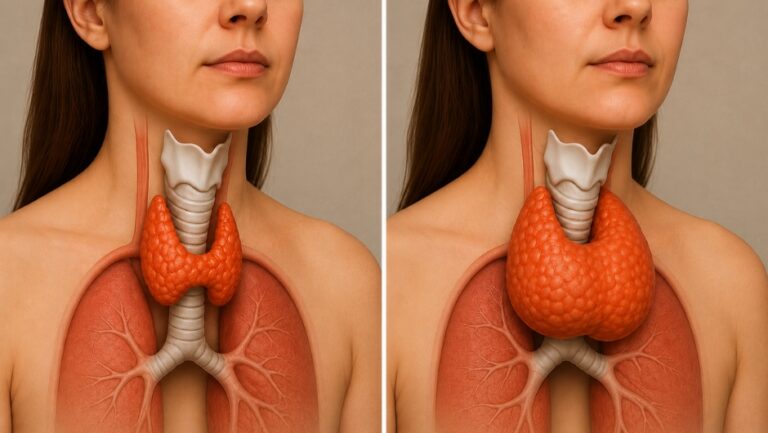
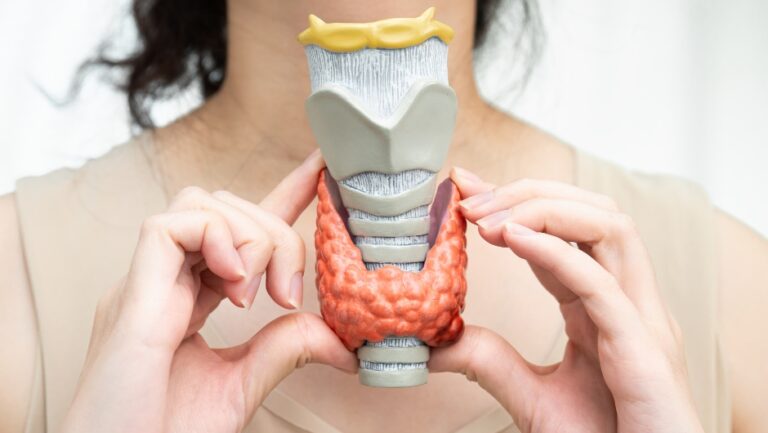
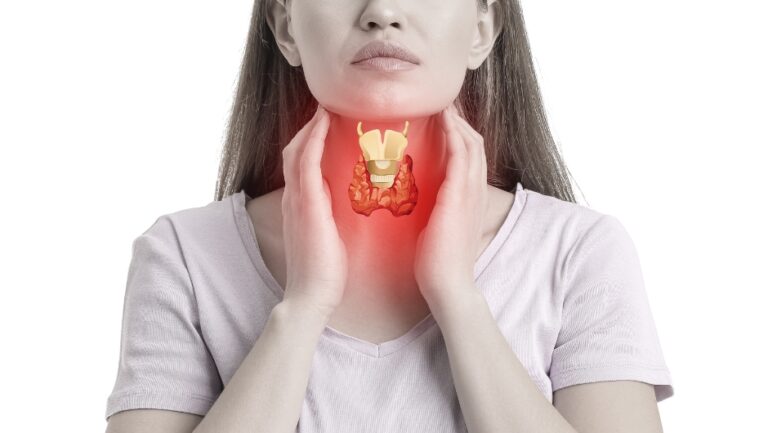
Classical texts describe Galaganda, swelling in the neck, which corresponds to goitre. Underactive thyroid — with weight gain, tiredness, cold intolerance, constipation and dry skin — is understood as low Agni with excess Kapha and Meda; overactive thyroid, with heat, weight loss and palpitations, shows excess Pitta and Vata. Care focuses on correcting Agni, a diet suited to the type, regular routine and sleep, and monitoring thyroid levels, alongside your prescribed medicine. Hashimoto’s thyroiditis and Graves’ disease, the commonest causes of an underactive and an overactive thyroid, are autoimmune conditions — see how Ayurveda approaches them on our Autoimmune Disorders page.
Causes according to Ayurveda
Heavy, sweet, oily and refined food; excess sweets, bakery and sugary drinks
Eating without hunger, overeating and frequent snacking
Sedentary habits, long sitting and day sleep (Diwaswapna)
Late dinners and irregular meal times
Stress, poor sleep and emotional eating
Family history and constitution (Kapha-dominant Prakriti)
Weight gain, especially around the abdomen; breathlessness on exertion
Tiredness, heaviness and low energy
Feeling cold, dry skin, hair fall and constipation (underactive thyroid)
Heat intolerance, palpitations and weight loss (overactive thyroid)
Irregular periods in women
Our Ayurvedic treatment approach
Detailed assessment of Prakriti, digestion, reports (HbA1c, thyroid profile, lipids) and medicines
Agni correction as the first step, so that food is used rather than stored
Personalised diet chart built from home-cooked food — no pre-printed charts
Meal timing and portion guidance, with the main meal at midday and an early dinner
Vihara: daily activity, avoiding day sleep, and regular sleep
Regular follow-ups with your reports, adjusting the plan as you progress
Benefits of Ayurvedic care
Treats the shared metabolic root of diabetes, weight and thyroid problems
No crash diets, pills or supplements — food you can sustain for life
Improvements in energy, digestion and sleep along the way
Works alongside your physician’s or endocrinologist’s treatment
When to see a doctor promptly
Seek medical care for very high or very low blood sugar readings, confusion, excessive drowsiness, vomiting with high sugar, a foot wound that is not healing, or a rapidly growing lump in the neck. Never stop insulin, diabetes or thyroid medicines without your doctor.
Frequently asked questions
Why does Ayurveda treat diabetes, obesity and thyroid together?
All three are disorders of metabolism. Ayurveda traces them to disturbed Agni — the digestive and metabolic fire — and to excess Kapha and Meda (fat). They often occur together and respond to the same principles: right food, right timing, right quantity and an active routine.
Do I have to give up roti and rice?
Usually not entirely. Ayurveda favours whole, traditional grains such as barley, millets and older rice varieties, eaten in the right quantity and at the right time. Your plan is built from the food you already eat at home, adjusted for your blood sugar, weight and digestion.
Will I be able to stop my diabetes or thyroid medicine?
That is never promised. Some people need less medicine as their diet and weight improve, but any change must be decided by your treating doctor, based on regular tests. Ayurvedic care works alongside your current treatment.
Medical disclaimer: This page is for general education and does not replace diagnosis or treatment by a qualified doctor. Do not stop or change prescribed medicines without advice from your treating doctor. Individual results vary.
Real patient journeys
Related case studies
Individual experiences shared for education. Results vary from person to person.
In today’s fast-paced world, lifestyle diseases are no longer limited to adults. This case study of young Anhad Preet Singh highlights how deeply modern habits can affect children and how a holistic Ayurvedic approach…
Sukhwinder Kaur faced multiple health issues that affected her quality of life: Lipoma: Fatty lumps under her skin Acute knee pain: So intense that she considered knee replacement surgery Muscular weakness: Feeling…
Harpreet Kaur, a 56-year-old resident of Khanna, Ludhiana, embarked on a challenging health journey when she sought the expertise of Dr. Raghav Thukral, a dedicated dietician. Harpreet was grappling with type 2 diabetes…
Your thyroid is a small, butterfly-shaped gland located at the base of your neck, but don’t let its size fool you. This powerful organ controls your metabolism, regulates your energy levels, and influences your mood…
For decades, millions of women were sent home confused and frustrated. They had all the symptoms—unexplained weight gain, stubborn acne, crushing fatigue, but their ultrasound came back “normal.” Their periods were…
Thyroid disorders are increasing rapidly today. Many people are diagnosed with hypothyroidism or hyperthyroidism and are told that it is a lifelong condition. Medicines help control lab reports, but symptoms like…
Most Indians believe that eating home-cooked food automatically means eating healthy. But the truth is far more complex. A recent study by ICMR-INDIAB reveals that 62% of the average Indian diet comes from…
Imagine being 5 years old. You love snacks, cookies, juices, and all the sweet treats. Your parents think it’s normal—after all, kids need energy to grow, right? mBy age 10, you’re always hungry. You crave sweets…
Have you ever felt constantly tired, gained weight despite a healthy diet, or experienced mood swings? These could be signs of hypothyroidism, a condition where your thyroid gland isn’t producing enough thyroid…
Read article
Worldwide consultation
Get a treatment plan for Endocrine Disorders
Every plan begins with understanding your Prakriti (constitution), the state of your Agni (digestive fire), your reports and your daily routine — in the Amritsar clinic or online, wherever you live.