7 Root Causes of ADHD That Most People Don’t Know About
 Dr. Raghav ThukralM.D. (Ayurveda)
In this article
When we think about ADHD, the first thing that typically comes to mind is a dopamine deficiency. And while that’s certainly part of the picture, reducing ADHD to simply “not enough dopamine” is like saying a car won’t start because it’s out of gas technically true, but missing the forest for the trees.
What if I told you that ADHD involves reduced brain volume, chronic inflammation, oxidative damage, and disrupted brain connectivity? The reality is far more complex and far more treatable than most people realize.
Let’s explore the seven root causes behind ADHD and what you can actually do about them.
1. Low Dopamine
This is the heavy hitter that gets all the attention and for good reason. Research consistently shows that people with ADHD often have genetic variations affecting their dopamine system:
- Dopamine receptor impairments mean less signaling gets through
- COMT gene variations cause rapid breakdown of dopamine
- DAT issues lead to increased reuptake (basically, your brain recycles dopamine too quickly)
- DDC impairments reduce your ability to synthesize dopamine in the first place
This is why dopamine-enhancing strategies are first-line treatments. But here’s the crucial point: you don’t necessarily need pharmaceutical stimulants to support healthy dopamine function. Lifestyle interventions, targeted supplements, and dietary changes can all help more on that shortly.
2. Reduced Brain Volume
This one rarely makes it into the mainstream conversation, but the evidence is striking. Children with ADHD have approximately 3-5% smaller total brain volume, and adults often still show measurable deficits in both gray and white matter.
What causes this reduced brain volume? Several factors:
- Impaired neurotrophic signalling (particularly BDNF and NGF proteins that help neurons grow and survive)
- Environmental toxins
- Vitamin and mineral deficiencies (especially B9 and B12)
This is also why exercise is one of the most effective interventions for ADHD. It’s not just about burning energy physical activity is one of the most powerful ways to increase BDNF and support brain health at the structural level.
3. Chronic Stress
High stress and elevated cortisol don’t just make you feel frazzled they literally shrink your brain. The same brain regions that show volume reductions in ADHD are particularly vulnerable to stress hormones like cortisol and CRH (corticotropin-releasing hormone).
Here’s the cruel irony: stress can trigger or worsen ADHD, which then creates more stress. It’s a vicious cycle that can feel impossible to break without intentional intervention.
Managing stress isn’t just about feeling better it’s about protecting your brain structure and function.
4. Neuroinflammation
Inflammatory conditions like autoimmunity, allergies, and asthma are all associated with higher odds of developing ADHD. And increasingly, researchers are pointing to gut health as the primary source of systemic inflammation.
The gut is the largest interface between your body and the outside world, and when it’s compromised, inflammation can spread throughout your body including your brain. This inflammation can directly alter:
- Dopaminergic system function
- Neurotrophic signaling (those brain-boosting proteins we mentioned earlier)
This is why addressing gut health isn’t just about digestion it could be a crucial piece of the ADHD puzzle.
5. Oxidative Stress
Working hand-in-hand with inflammation, oxidative stress is the chemical cause of damage to any type of cell including neurons. It can:
- Damage or kill neurons
- Disrupt neurotransmitter production and release
- Impair overall brain function
Increases in oxidative stress are a consistent finding in ADHD research, and interestingly, some antioxidants have been shown to alleviate symptoms. This suggests that supporting your body’s antioxidant defenses could be an important piece of the treatment puzzle.
6. Connectivity Impairments
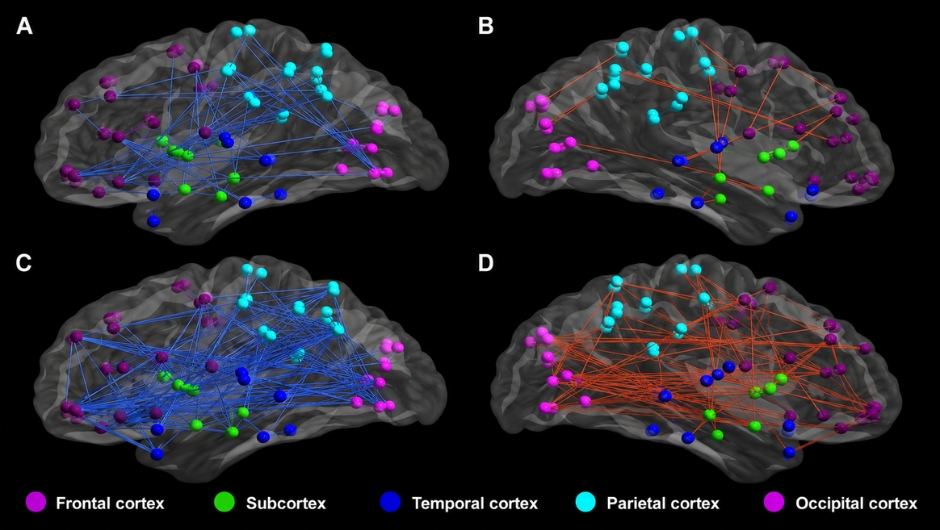
Our brains aren’t a single organ working in isolation they’re a complex network of interconnected regions that need to synchronize their activity. MRI research shows that ADHD involves disrupted connectivity between several key brain networks:
- Default Mode Network (daydreaming, mind-wandering): Overactive in ADHD
- Salience Network (picking up important information): Underactive
- Frontoparietal Network (sustaining attention): Underactive
- Dorsal Attention Network (attention): Underactive
Think of it like a radio station with too much static the signal is there, but it’s not being transmitted clearly. ADHD brains tend to get “stuck” in default mode when they should be shifting to attention networks.
7. Cholinergic Signaling
While dopamine gets all the headlines, cholinergic signaling involving the neurotransmitter acetylcholine might also be low in ADHD. This is significant because:
- Cholinergic agents (including nicotine) show some benefit in ADHD trials
- Acetylcholine can directly increase dopamine release in neurons
- Supporting the cholinergic system might indirectly support dopamine function
You can support your cholinergic system through:
- Dietary choline: Eggs, liver, and other animal products
- Alpha GPC: A highly bioavailable choline supplement
- Phosphatidylcholine: Another choline source
Importantly, supporting methylation also increases choline synthesis. This means ensuring adequate levels of:
- B1, B2, B3, B6, B9, B12
- Magnesium
- Glycine
Related treatments
- Neurological Disorders Program: Mind & Sleep Care
Disclaimer: This article is for general education and is not a substitute for personal medical advice. Please consult a qualified doctor before making changes to your diet, supplements or medicines.