Health Benefits of Turmeric: An Ayurvedic and Scientific View
 Dr. Raghav ThukralM.D. (Ayurveda)
In this article
Turmeric in Ayurveda
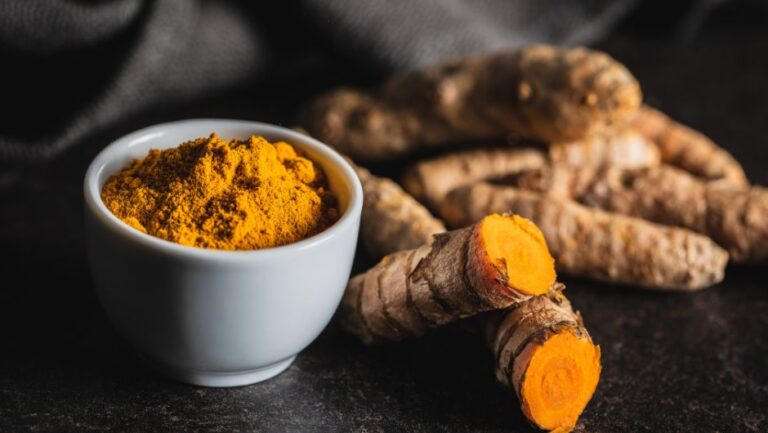
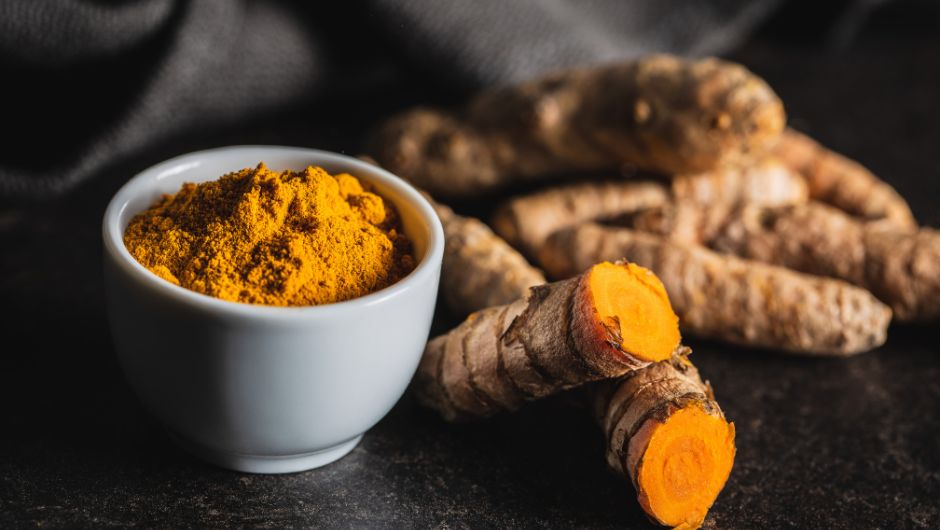
Turmeric (haldi, Haridra) holds a special place in Ayurveda and Indian kitchens. It is described as warming, bitter and astringent, balancing all three doshas in moderate amounts, and is traditionally used to support digestion, skin, joints and the blood. Modern research has begun to explore many of these traditional uses.
The Active Compound: Curcumin
Turmeric contains natural compounds called curcuminoids, the most studied of which is curcumin. Curcumin has antioxidant and anti-inflammatory properties. On its own it is poorly absorbed, but absorption improves significantly when turmeric is taken with black pepper (which contains piperine) and a little fat, such as ghee or milk.
Potential Benefits
- Joint pain: clinical studies suggest curcumin may help reduce pain and stiffness in osteoarthritis for some people.
- Inflammation: its anti-inflammatory effects are being studied in many chronic conditions.
- Skin: turmeric is a traditional ingredient in face packs and the pre-wedding haldi ceremony, valued for its antiseptic and skin-brightening properties.
- Digestion: it is used in Ayurveda to support Agni and ease gas and indigestion.
- Heart and metabolic health: some studies suggest modest benefits for cholesterol and blood sugar, as part of a healthy diet.
Laboratory studies have also explored curcumin in cancer research, but this has not translated into proven treatment in people. Turmeric is not a treatment for cancer, and it does not cause weight loss on its own.
How to Use Turmeric
- Use it daily in dals, sabzis and curries, with black pepper and a little ghee.
- Drink warm turmeric milk (haldi doodh) at night.
- Add grated raw turmeric to pickles or warm water with lemon.
Who Should Be Careful
Turmeric in food is safe for most people. High-dose curcumin supplements are different: they can interact with blood thinners and diabetes medicines, may worsen gallstones, and are not recommended in pregnancy or before surgery. Speak to your doctor before taking supplements.
Related treatments
- Joint Pain Program: Joint & Spine Care
- Skin Disorders Program: Skin Health
Disclaimer: This article is for general education and is not a substitute for personal medical advice. Please consult a qualified doctor before making changes to your diet, supplements or medicines.