
In this article
- What the Vagus Nerve Actually Does
- Stress: The Number One Vagus Disruptor
- What Happens When the Vagus Nerve Weakens
- How to Strengthen Your Vagus Nerve Daily
- Food Choices That Support Vagal Signaling
- Sleep: The Silent Healer of Vagal Tone
- Movement: The Natural Motility Reset
- Signs Your Vagal Tone May Be Low
- Quick Reset Techniques You Can Use Anytime
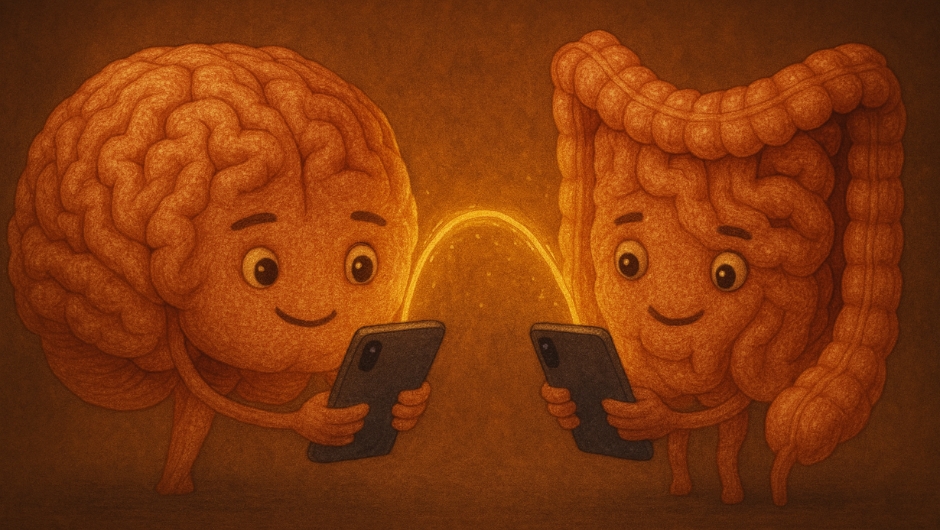
Your gut and brain are constantly “texting” each other throughout the day. This communication happens through a special pathway called the vagus nerve—a long, powerful nerve that works like your body’s Wi-Fi. When its signal is strong, digestion, mood, and immunity stay balanced. But when it weakens, the messages don’t go through properly, leading to bloating, constipation, reflux, anxiety, fatigue, and low mood.
In simple terms:
A strong vagus nerve = smooth digestion + stable mood
A weak vagus nerve = jammed signals + gut issues + stress symptoms
What the Vagus Nerve Actually Does
The vagus nerve links the gut, brain, heart, and lungs. It controls how food moves through your digestive system, how your body switches off inflammation, and how neurotransmitters like serotonin, dopamine, and GABA are produced. When the tone of this nerve becomes weak, both your gut and brain slow down. You may feel mentally stressed while your digestion becomes sluggish.
Stress: The Number One Vagus Disruptor
Chronic stress releases cortisol, which directly shuts down vagal activity. That’s why during stressful weeks, people commonly experience flare-ups of reflux, IBS, bloating, or constipation. Research also shows that low vagal tone is connected to conditions like IBS, hidden constipation, depression, anxiety, autoimmune flare-ups, and even poor blood sugar control.
The communication goes both ways:
- Gut microbes send chemical messages to the brain.
- The brain sends instructions back to the gut to move, digest, or rest.
When the vagus nerve weakens, this exchange becomes unclear and slow.
What Happens When the Vagus Nerve Weakens
Stool begins to move slowly through the intestines. As it lingers, bacteria overgrow and inflammation rises. These imbalanced microbes then send “toxic texts” to the brain, contributing to low energy, poor mood, and brain fog. This is why gut disorders and mental health issues often appear together.
How to Strengthen Your Vagus Nerve Daily
You can retrain the vagus nerve just like a muscle. Simple daily habits help rebuild its tone:
- Deep diaphragmatic breathing for 3–5 minutes calms the nervous system and boosts vagal strength.
- Cold exposure, such as dipping your face in cold water or ending showers with cold water, stimulates the nerve instantly.
- Gargling, humming, or singing activates throat muscles directly connected to the vagus.
- Meditation and prayer reduce cortisol and enhance the nerve’s recovery.
Food Choices That Support Vagal Signaling
Your gut microbes play a major role in how the vagus nerve communicates. The healthier and more diverse your microbes, the clearer the signals. Eating more than 30 different plants per week improves microbial diversity. Polyphenol-rich foods like berries, dark chocolate, and olive oil feed beneficial microbes. Fermented foods such as kefir, kimchi, and sauerkraut also boost the gut-brain messaging system.
Sleep: The Silent Healer of Vagal Tone
Poor sleep weakens the vagus nerve and throws off the gut’s natural rhythm. A consistent bedtime strengthens the signals and supports both digestion and mood. Interestingly, your gut microbes also follow a circadian rhythm, so irregular sleep affects them too.
Movement: The Natural Motility Reset
Walking for 20–30 minutes daily helps stimulate vagal activity and supports natural bowel movements. Exercise improves gut contractions, reduces bloating, and prevents stool stagnation. Think of movement as literally helping your gut “send messages” again.
Signs Your Vagal Tone May Be Low
You may notice constipation even if you’re passing stool daily, IBS symptoms that worsen with stress, anxiety occurring alongside digestive issues, or dependence on caffeine to feel awake and sedatives to fall asleep. These are all signs of weak vagus signaling.
Quick Reset Techniques You Can Use Anytime
Simple practices like box breathing using a 4-4-4-4 pattern, humming or singing for five minutes, ending your shower with 30 seconds of cold water, or engaging in gentle mind-body exercises like yoga and tai chi can quickly improve vagal tone.
Related reading: When Gut–Brain Communication Breaks Down
Related treatments
- Neurological Disorders Program: Mind & Sleep Care
Disclaimer: This article is for general education and is not a substitute for personal medical advice. Please consult a qualified doctor before making changes to your diet, supplements or medicines.