Colon Cleansing: What Really Supports a Healthy Colon
 Dr. Raghav ThukralM.D. (Ayurveda)

In this article
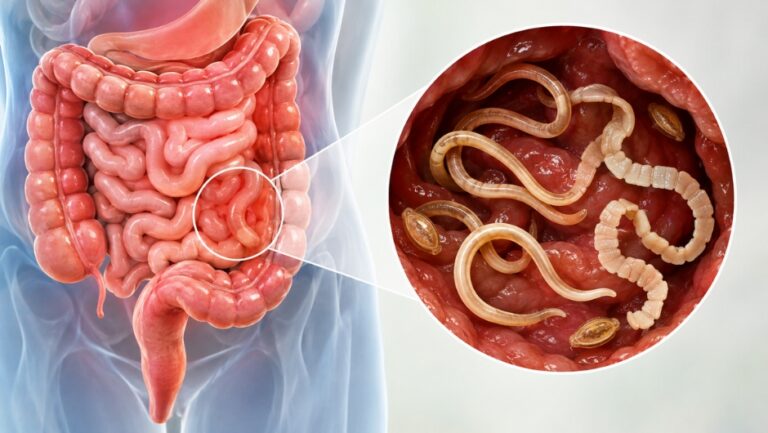
You may have heard that people carry “10–20 pounds of toxins” in their colon. That claim isn’t supported by science: the colon naturally clears waste, and harsh cleanses, laxative teas and enemas are not needed for healthy people — and can cause dehydration and electrolyte problems.
What is true is that constipation, bloating and sluggish digestion are very common, and simple daily habits can make your colon work much better.
What Actually Keeps the Colon Healthy
- Fibre: vegetables, fruits, whole grains, millets, pulses and seeds such as flax and psyllium.
- Water: enough to keep stools soft — fibre needs water to work.
- Movement: walking and yoga stimulate the bowels.
- Routine: eating and going to the toilet at regular times, and never ignoring the urge.
- Fermented foods: fresh buttermilk and homemade curd, if they suit you.
A Gentle Morning Digestive Drink
This simple drink won’t “flush toxins”, but many people find it a refreshing way to wake up digestion in the morning.
Ingredients
- ½ cup warm water
- ½ cup fresh apple juice (or the pulp of a grated apple)
- 2 tablespoons fresh lemon juice
- 1 teaspoon freshly grated ginger
- A small pinch of rock salt
Method
- Blend or stir all the ingredients together and sip slowly.
- Follow it with a glass of warm water and a short walk.
Skip the salt if you have high blood pressure or kidney disease, and skip the lemon if you have acidity. Whole apples provide more fibre than juice.
The Ayurvedic Approach
Ayurveda supports the colon by strengthening digestion: warm, freshly cooked meals, a light early dinner, digestive spices, and a regular daily routine. Gentle, supervised seasonal cleanses may be recommended for some people — but never harsh purging without guidance.
See a Doctor If
You notice blood in your stool, a lasting change in bowel habits, unexplained weight loss, severe abdominal pain, or constipation that lasts more than a few weeks — especially if you are over 45. Colon cancer screening is recommended for adults as they get older. Read why colon cancer is rising in young adults.
Related treatments
- Digestive Disorders Program: Digestive Care
Disclaimer: This article is for general education and is not a substitute for personal medical advice. Please consult a qualified doctor before making changes to your diet, supplements or medicines.