Are You Wasting Money on Probiotics?
 Dr. Raghav ThukralM.D. (Ayurveda)
In this article
Walk into any pharmacy or health store and you’ll see shelves packed with probiotic supplements promising better digestion, glowing skin, and stronger immunity. The marketing sounds convincing—but many of these products do far less than the label claims. Before you spend your money, let’s look at the key facts that really matter.
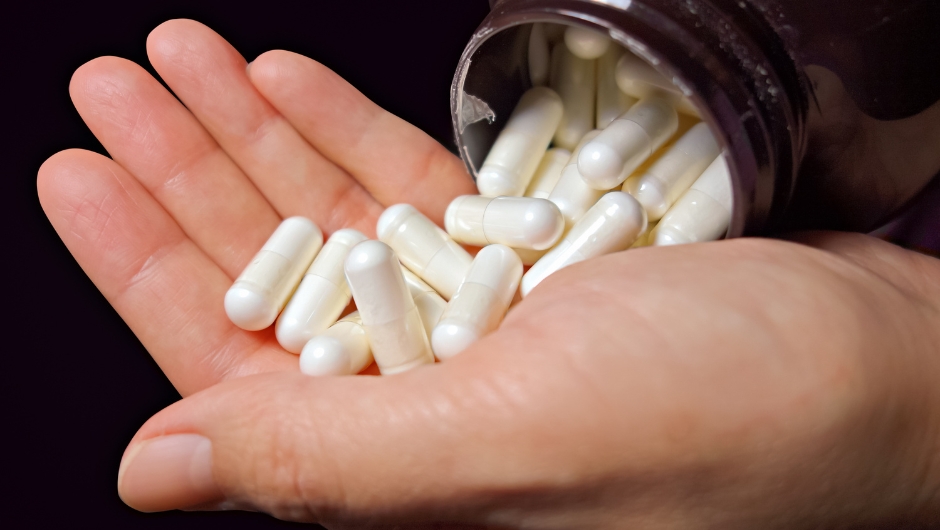
1. Many Capsules Don’t Survive the Journey
The biggest problem with most probiotics is that the bacteria never reach your gut alive.
- Delicate strains like Lactobacillus rhamnosus or Bifidobacterium bifidum are easily destroyed by heat, moisture, and air during shipping or while sitting on a store shelf.
- Even if they survive the package, they can be killed by strong stomach acid within minutes unless the capsule is specially coated to resist digestion.
This means you might be swallowing a handful of dead microbes that provide no benefit.
2. Food Can Provide the Same Friendly Bacteria
Many supplements simply contain common species such as Lactobacillus acidophilus, Bifidobacterium lactis, or Lactobacillus casei. These are the same helpful microbes naturally present in everyday fermented foods, including:
- Homemade yogurt and kefir
- Fresh sauerkraut or kimchi
- Fermented raw milk or cultured cottage cheese
When you eat these foods, you get live cultures along with vitamins, minerals, and natural enzymes—without paying for a capsule.
3. The Exact Strain Makes the Difference
Probiotics are not one-size-fits-all.
- For example, Lactobacillus plantarum 299v has been shown in studies to reduce bloating.
- A different strain of the same species, Lactobacillus plantarum WCFS1, does not have that effect.
Many brands list only the species name and leave out the strain code, so you have no way of knowing whether the bacteria inside can actually help with your specific concern.
4. Big CFU Numbers Can Be Misleading
Labels often advertise “30 or 50 billion CFUs” (colony-forming units) to sound powerful. But that number is usually measured when the product is manufactured, not when you swallow it. Without a proper cold chain for shipping and storage, the live count may drop dramatically—sometimes close to zero—before the bottle even reaches your home.
5. Every Gut Is Unique
Your gut microbiome is as personal as a fingerprint. A strain that works beautifully for one person might upset someone else’s digestion or make no difference at all. That’s why it’s smart to test your gut microbiome or work with a nutritionist before adding new bacterial strains. Personalized guidance helps you avoid wasting money or creating imbalance.
What Really Works
If you want to improve gut health, focus on options that are proven to survive and support your system:
- Spore-forming probiotics such as Bacillus coagulans or Bacillus subtilis. These hardy strains can handle heat, air, and stomach acid.
- Clinically tested, strain-identified supplements that clearly show the research behind them and guarantee live cultures until the expiration date.
- Fermented whole foods—fresh yogurt, kefir, sauerkraut, kimchi, miso, and other naturally cultured products provide diverse live microbes plus fiber and nutrients.
- Personalized plans based on a gut test or professional guidance, which match specific strains to your unique microbiome.
The Takeaway
Not every probiotic is a waste of money, but many store-bought products simply can’t deliver what they promise. Instead of chasing big numbers on a label, look for proven strains, survival guarantees, and foods rich in natural cultures. Your gut—and your wallet—will thank you for making smarter, more personalized choices.
Related treatments
- Digestive Disorders Program: Digestive Care
Disclaimer: This article is for general education and is not a substitute for personal medical advice. Please consult a qualified doctor before making changes to your diet, supplements or medicines.