Daily Bowel Movements Don’t Always Mean Your Colon Is Empty
 Dr. Raghav ThukralM.D. (Ayurveda)
In this article
For decades, the standard definition of constipation has been framed around frequency. If you have fewer than three bowel movements per week, you are constipated. If you go every day, you are considered regular and healthy.
But this definition misses a massive segment of the population suffering from a specific type of constipation that produces daily bowel movements while leaving the colon chronically backed up. This condition is called incomplete evacuation and it is one of the most underdiagnosed causes of bloating, fatigue, and digestive distress in modern medicine.
If you have ever finished on the toilet and thought, “I don’t feel empty,” or if you experience daily bloating that worsens as the day progresses despite being “regular,” this guide is for you.
What Is Incomplete Evacuation?
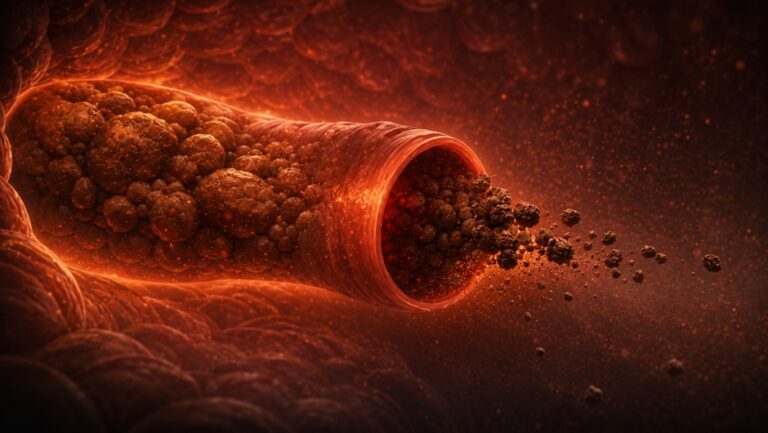
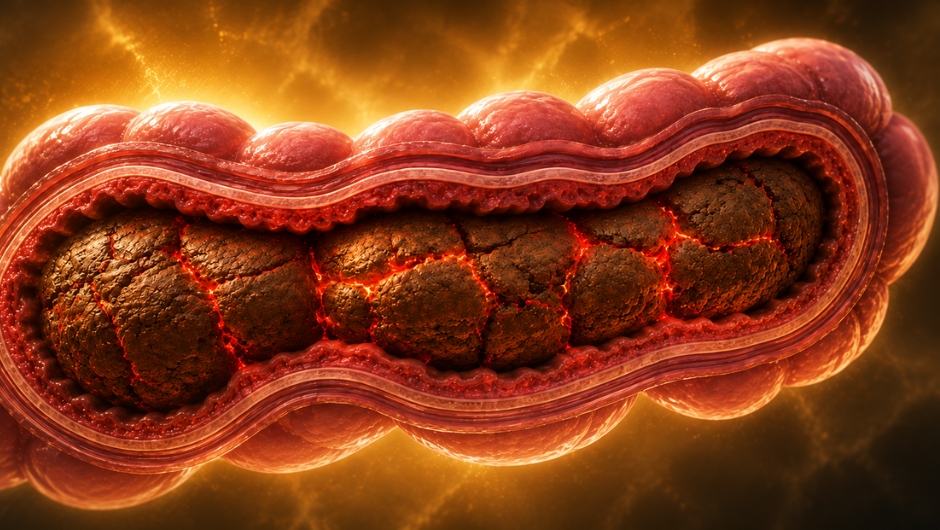
Incomplete evacuation occurs when a person has regular bowel movements, but the colon never fully empties. A small amount of stool exits daily, while a larger, harder mass remains lodged higher in the colon. This residual stool builds up over time, creating a chronic state of low-grade obstruction.
Key Definition:
Incomplete evacuation is the sensation or objective finding that the rectum is not fully emptied after defecation, regardless of stool frequency.
This is not a rare experience. Many people with normal bowel frequency report a feeling of incomplete emptying, and most have no idea the two are connected — they believe that because they “go” daily, their gut is functioning fine.
Why Your Colon Gets Backed Up
To understand incomplete evacuation, you need to know how the colon normally works.
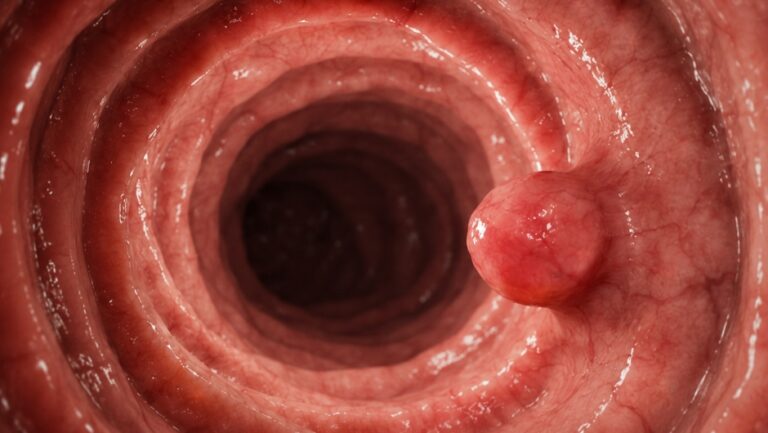
The colon (large intestine) is a muscular tube about five feet long. Its job is to absorb water and electrolytes from digested food, form stool, and move it toward the rectum for elimination. This movement is driven by peristalsis wave-like muscle contractions that push contents forward.
The Gastrocolic Reflex:
When you eat or drink, especially in the morning, the stomach stretches and sends a signal to the colon to contract and move contents toward the rectum. This is called the gastrocolic reflex. It is strongest in the morning and after meals. If you ignore the urge to go, or if stool is too hard or the angle is poor, the colon may not empty completely. Over time, this leads to a buildup of stool higher up.
Slow Transit: When Stool Moves Too Slowly
Incomplete emptying often goes hand in hand with slow transit constipation, a condition in which the muscles and nerves that move stool through the colon work less efficiently. Because new waste keeps arriving while older stool moves slowly, you can still pass some stool every day while a significant amount stays higher up in the colon.
The longer stool stays in the colon, the more water is absorbed from it. It becomes harder, drier and more difficult to pass, which leads to straining, pellet-like stools and the feeling that you have not finished.
Understanding transit time
Transit time is how long food takes to travel from your mouth to the toilet. For most healthy adults it is roughly 24 to 48 hours, depending on diet, hydration, activity and overall health. When it becomes much longer, fermentation increases and bloating, gas and constipation tend to follow.
Estimate your transit time at home
A simple way to get a rough idea is the beetroot test: eat a generous serving of cooked beetroot, note the time, and watch for reddish colour in your stool. It is not a diagnostic test and does not work for everyone, but it can be a useful guide. Read how to do the beet test.
Symptoms of Incomplete Evacuation
The residual stool that remains in the colon is not inert. It is a breeding ground for bacteria, fermentation, and pressure. Here is exactly what happens:
1. Fermentation and Gas Production
The human colon contains trillions of bacteria. When stool sits for too long, these bacteria begin to ferment the undigested carbohydrates and proteins. This produces gas (hydrogen, methane, carbon dioxide) and organic acids. The result is chronic bloating, which often worsens throughout the day as more stool is added to the backlog.
2. Pressure and Distension
A colon that is partially full exerts pressure on the abdominal wall and surrounding organs. This can cause a feeling of fullness, heaviness, and even visible distension. The pressure can also push upward against the stomach and diaphragm, contributing to acid reflux and shortness of breath.
3. Toxin Reabsorption
The colon’s primary function is to absorb water, but it can also absorb bacterial byproducts and toxins from stool. When stool remains in the colon for too long, these substances enter the bloodstream. This is believed to contribute to fatigue, brain fog, and a general feeling of malaise that many people with chronic incomplete evacuation report.
4. Overflow Diarrhea
This is one of the most confusing symptoms. When a large mass of hard stool is stuck in the colon, liquid stool from higher up can leak around the blockage and exit the rectum. This produces episodes of loose, watery stools often mistaken for diarrhea. Treating this “diarrhea” with anti-diarrheal medication (like loperamide) worsens the underlying constipation and can lead to a dangerous cycle.
The Symptoms You Are Likely Mislabelling
Because the patient is “going daily,” neither they nor their doctor usually considers constipation as the root cause. Instead, symptoms are treated individually, and the real problem remains invisible.
Here are the most commonly misread symptoms of incomplete evacuation:
Chronic Bloating
Bloating that is not just related to meals but is constant, and worsens as the day progresses, is a hallmark of incomplete evacuation. The fermentation of trapped stool produces gas continuously.
Acid Reflux (GERD)
The upward pressure from a distended colon can push stomach contents into the esophagus. Many people take proton pump inhibitors (PPIs) for years without realizing that the root cause is lower in the digestive tract.
Fatigue and Brain Fog
The systemic absorption of bacterial endotoxins from a backed-up colon can lead to low-grade inflammation and fatigue. Patients often describe feeling “heavy” or “toxic,” a symptom that resolves when the colon is cleared.
Loose Stools or Diarrhea
As described above, overflow diarrhea is a classic sign of severe incomplete evacuation. It is often misdiagnosed as irritable bowel syndrome with diarrhea (IBS-D) and treated incorrectly.
A Constant Urge to Go
Some people feel an almost constant pressure in the rectum, as if they need to have a bowel movement even after they just went. This is the rectum signalling that it is not empty.
Solutions for Incomplete Evacuation
The good news is that incomplete evacuation is highly treatable once it is identified. The following strategies are supported by clinical research and gastroenterology guidelines.
1. Correct Toilet Posture
The Problem: Sitting at a 90-degree angle keeps the puborectalis muscle contracted, creating a kink in the rectum. This prevents complete emptying regardless of how long you sit.
The Fix: Elevate your feet on a small stool (7–9 inches) so that your knees are above your hips. This straightens the anorectal angle, relaxing the puborectalis and allowing the colon to empty much more completely. Studies show that this simple change can significantly improve the sense of complete evacuation.
2. Optimize Hydration and Timing
The Problem: Dehydrated stool is hard, dry, and sticks to the colon wall. It resists movement and contributes to blockages.
The Fix: Drink a large glass of warm water first thing in the morning. Warm water helps soften stool and triggers the gastrocolic reflex. Combine this with a consistent morning routine: sit on the toilet 15–30 minutes after breakfast, even if you don’t feel the urge. This trains your bowel to empty at the same time each day.
3. Increase Soluble Fiber
The Problem: Many people think “more fiber” means raw vegetables, bran, and insoluble fiber. For someone with a partial blockage, insoluble fiber can bulk up stool and make the impaction worse.
The Fix: Focus on soluble fiber, which dissolves in water to form a gel. This type of fiber holds water in the stool, keeping it soft, slippery, and cohesive.
4. Abdominal Massage
The Mechanism: Gentle, clockwise massage along the path of the colon can stimulate peristalsis and physically help move stagnant stool. The colon ascends on the right side of your abdomen, crosses horizontally, and descends on the left.
How to Do It:
Lie on your back with knees bent. Using your fingertips, apply gentle but firm pressure. Start at the lower right abdomen (near the hip bone), move upward toward the ribs, across the upper abdomen, and down the left side. Repeat for 5–10 minutes daily. Studies have shown that regular abdominal massage improves bowel movement frequency and reduces symptoms of incomplete evacuation.
5. Consider Probiotics and Prebiotics
A disrupted gut microbiome can slow colonic transit. Certain probiotic strains, particularly Bifidobacterium lactis and Lactobacillus casei, have been shown to improve stool consistency and reduce transit time. Prebiotics like inulin and partially hydrolyzed guar gum can also help feed beneficial bacteria and soften stool.
6. Pelvic Floor Dysfunction and Biofeedback
For some people, incomplete evacuation is not caused by stool consistency but by a coordination problem in the pelvic floor muscles. This is called dyssynergic defecation. The muscles that should relax during defecation instead contract, preventing the rectum from emptying. This is diagnosed with anorectal manometry. The gold-standard treatment is biofeedback therapy, where a physical therapist teaches you how to relax the correct muscles. This has a success rate of over 70% for dyssynergic defecation.
7. Move Every Day and Eat at Regular Times
Walking, stretching and yoga stimulate the muscles of the digestive tract, and even a short walk after meals encourages movement. Eating at consistent times helps maintain the digestive system’s natural rhythm, while irregular eating can slow transit.
When to See a Doctor
Occasional constipation is common, but persistent symptoms deserve attention. See a doctor if constipation lasts several weeks, your bowel habits change without explanation, you see blood in your stool, you have severe abdominal pain or unexplained weight loss, or symptoms continue despite these measures.
What to Remember
A healthy gut is about more than going every day. Instead of asking only “Did I go today?”, ask “Did my bowel empty comfortably and completely?” The answer gives a far more accurate picture of your digestive health.
Related treatments
- Digestive Disorders Program: Digestive Care
Disclaimer: This article is for general education and is not a substitute for personal medical advice. Please consult a qualified doctor before making changes to your diet, supplements or medicines.