Why a 10-Minute Walk & a Good Fart Boost Gut Health
 Dr. Raghav ThukralM.D. (Ayurveda)
In this article
- The gut is a dynamic muscular system
- How walking improves post-meal digestion
- Gas movement and bloating reduction
- Impact on bowel movements and constipation
- Blood sugar regulation and metabolic benefits
- Why timing matters after meals
- Gut health is about rhythm, not restriction
- Practical application in daily life
Digestive health is often approached with probiotics, detox plans, or restrictive diets. While these can have value, one of the most consistently effective and physiologically natural methods to improve digestion is often ignored: gentle walking after meals.
A short 10-minute walk after eating can significantly influence how your gut processes food, handles gas, and regulates blood sugar. The effects are not just subjective—there is physiological reasoning behind why movement after meals supports digestion.
The gut is a dynamic muscular system
The digestive tract is not a passive tube where food simply travels downward. It is a coordinated muscular system that relies on rhythmic contractions called peristalsis.
These contractions are controlled by the enteric nervous system (often called the “second brain”) and are responsible for moving food, fluids, and gas through the stomach and intestines.
After eating, the digestive system naturally increases activity to break down food and push it forward. However, this process is sensitive to lifestyle factors such as posture, inactivity, stress, and meal size. Prolonged sitting immediately after eating can reduce mechanical stimulation of the gut, which may slow this natural movement in some individuals.
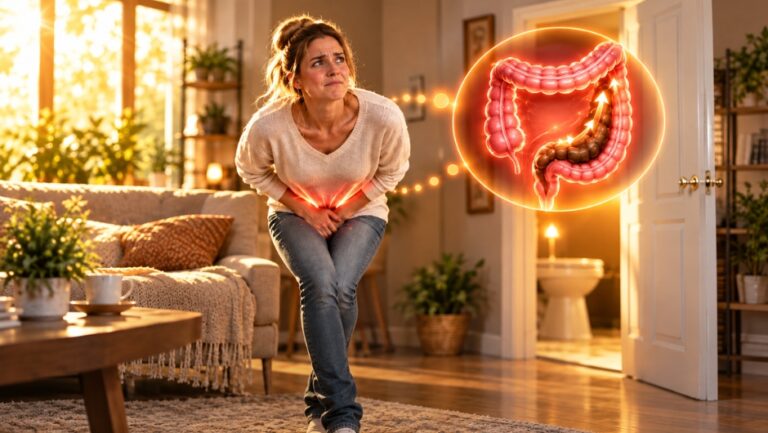
When this happens, symptoms like bloating, heaviness, gas buildup, and constipation can become more noticeable.
How walking improves post-meal digestion
Walking introduces gentle rhythmic movement to the abdominal region. This movement stimulates intestinal motility, meaning it helps the intestines contract more effectively.
When you walk after eating, several digestive improvements occur simultaneously. The stomach empties more efficiently, intestinal transit time may improve, and gas pockets move more freely through the gut instead of getting trapped in specific sections of the intestine.
This is why many people report feeling “lighter” or less bloated after a short post-meal walk. The effect is not from digestion being faster in a chemical sense, but from improved mechanical movement of the digestive tract.
Gas movement and bloating reduction
Gas formation in the digestive system is normal. It occurs due to swallowed air and the fermentation of undigested carbohydrates by gut bacteria in the colon.
The problem arises when this gas does not move efficiently. Trapped gas creates pressure, abdominal distension, discomfort, and sometimes pain.
Light walking helps redistribute this gas along the intestinal tract, allowing it to be expelled more easily either through flatulence or absorption. This is one reason post-meal movement is often associated with reduced bloating and improved comfort.
Some small clinical observations and studies on post-meal activity suggest that light walking may reduce gas retention and bloating symptoms in comparison to remaining sedentary after eating.
Impact on bowel movements and constipation
Constipation is closely linked to reduced intestinal motility. When the gut slows down, stool remains in the colon for longer, leading to harder stools and difficulty in elimination.
Walking helps stimulate colonic movement through a combination of mechanical motion and nervous system activation. This can encourage more regular bowel activity over time, especially in individuals with sedentary lifestyles.
It does not act as a laxative, but rather supports the body’s natural elimination reflex by maintaining rhythm in gut contractions.
Blood sugar regulation and metabolic benefits
One of the lesser-known benefits of post-meal walking is its effect on glucose metabolism.
After eating, blood glucose levels rise as carbohydrates are broken down into sugar and absorbed into the bloodstream. Normally, insulin helps move this glucose into cells. However, muscle activity provides an alternative pathway.
During walking, muscles take up glucose directly for energy use, which can help reduce post-meal blood sugar spikes. This may improve insulin sensitivity over time and reduce the sharp energy crashes that some people experience after heavy meals.
This metabolic benefit is particularly relevant in modern sedentary lifestyles, where people often sit for long periods after eating.
Why timing matters after meals
The first 10–20 minutes after eating are when digestion is actively beginning in the stomach. Light movement during this phase does not interfere with digestion; instead, it supports gastric emptying and intestinal coordination.
However, intense exercise immediately after eating can divert blood flow away from the digestive system, which is why gentle walking is preferred over strenuous activity.
The goal is not to stress the body, but to activate natural digestive rhythm.
Gut health is about rhythm, not restriction
Many gut health approaches focus heavily on removing foods or adding supplements. While diet is important, digestion is also strongly influenced by lifestyle rhythm.
The gut functions best when it experiences consistent patterns of eating, movement, hydration, and rest. A sedentary post-meal state disrupts this rhythm, while gentle movement restores it.
This is why small habits often produce noticeable changes. The digestive system responds more to consistency than intensity.
Practical application in daily life
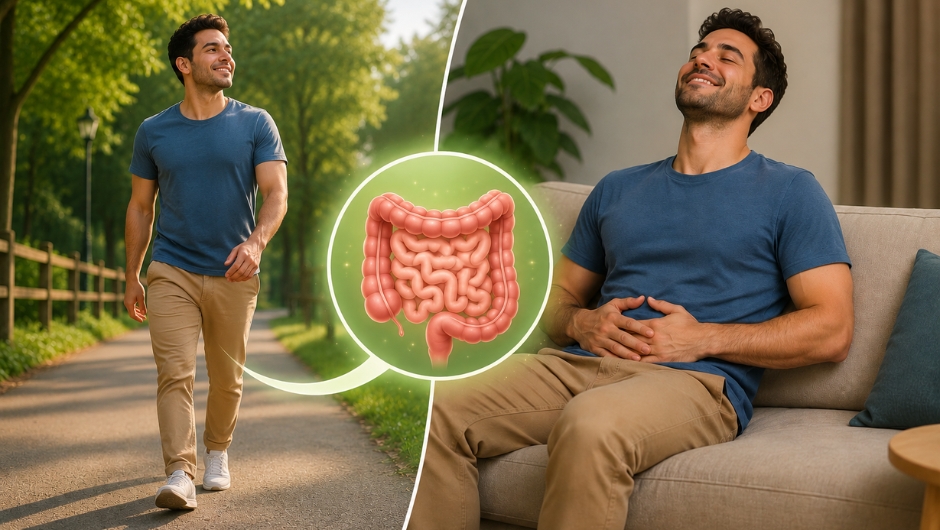
A 10-minute walk after lunch or dinner is enough to stimulate meaningful digestive support. It does not require speed or distance—only gentle continuous movement.
It can be done indoors, outdoors, or even in small spaces. The key factor is staying upright and moving the body enough to activate abdominal circulation and intestinal motion.
Over time, this habit becomes a natural signal to the digestive system that food intake is followed by activity, which can improve overall digestive efficiency.
Related treatments
- Digestive Disorders Program: Digestive Care
Disclaimer: This article is for general education and is not a substitute for personal medical advice. Please consult a qualified doctor before making changes to your diet, supplements or medicines.