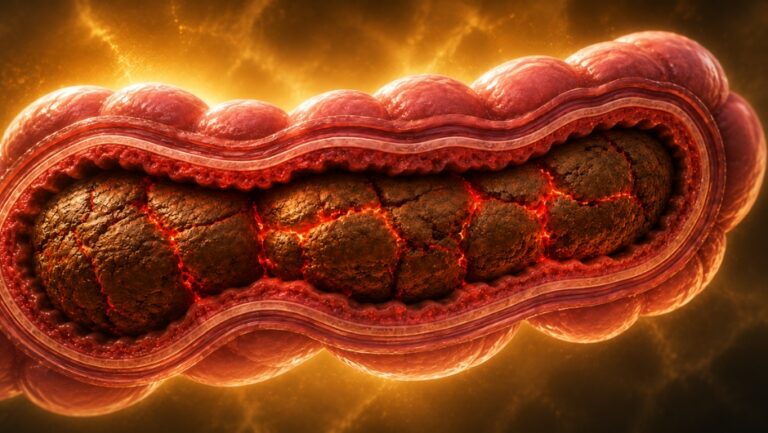
Understanding Anorectal Disorder According to Ayurveda
 Dr. Raghav ThukralM.D. (Ayurveda)
In this article
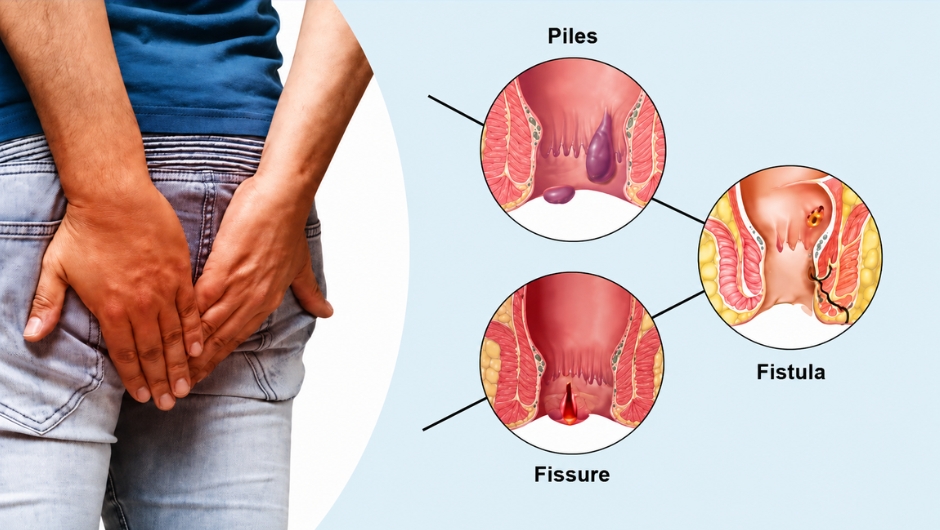
Piles, fissures, and fistulas are among the most common anorectal disorders affecting people of all ages. These conditions can cause pain, bleeding, swelling, and discomfort during bowel movements, making everyday activities difficult.
Many people hesitate to discuss these problems because of embarrassment, allowing the disease to progress over time. Delayed treatment can lead to complications and significantly affect quality of life.
According to Ayurveda, these disorders are not merely diseases of the anal region. They are often the result of poor digestion, unhealthy lifestyle habits, and an imbalance of the body’s natural energies, known as the three doshas.
The Ayurvedic Understanding of Anorectal Disorders
Ayurveda considers Agni, or digestive fire, to be the foundation of good health. When Agni becomes weak, food is not completely digested, leading to the formation of Ama, a toxic substance that accumulates in the body.
Ama blocks the body’s channels, called Srotas, and gradually disturbs the balance of Vata, Pitta, and Kapha. This imbalance affects the digestive system and weakens the tissues around the anal canal.
Over time, these changes increase the risk of developing anorectal disorders such as Arsha (Piles), Parikartika (Anal Fissure), and Bhagandara (Anal Fistula). Ayurveda therefore focuses on correcting the underlying imbalance rather than simply relieving symptoms.
How Dosha Imbalance Contributes to Disease
Each dosha contributes differently to anorectal disorders. When Vata Dosha becomes aggravated, it causes dryness in the intestines, resulting in hard stools, constipation, excessive straining, and severe pain during bowel movements.
An aggravated Pitta Dosha produces heat and inflammation. This often leads to burning sensations, redness, swelling, and bleeding, especially in patients suffering from bleeding piles or inflamed fissures.
When Kapha Dosha becomes excessive, it contributes to swelling, heaviness, mucus formation, delayed healing, and chronic fistula formation. In many patients, more than one dosha is involved, making individualized treatment an important part of Ayurvedic care.
Arsha (Piles)
Ayurveda refers to piles as Arsha, a condition in which swollen veins develop in the anal canal. It is commonly associated with chronic constipation, weak digestion, unhealthy food habits, and prolonged straining during bowel movements.
People with piles may experience bleeding while passing stool, itching, swelling around the anus, pain, or a feeling that the bowel has not emptied. Depending on the dominant dosha, piles may be bleeding or non-bleeding.
Ayurveda aims to improve digestion, regulate bowel movements, balance the aggravated doshas, and reduce pressure on the anal veins. By addressing these root causes, the goal is to support long-term relief and reduce the likelihood of recurrence.
Parikartika (Anal Fissure)
An anal fissure is known as Parikartika in Ayurveda. The condition is characterized by a small tear in the lining of the anal canal, usually caused by passing hard stools repeatedly.
Patients often experience sharp pain during bowel movements, followed by a burning sensation that may continue for several hours. Fresh bleeding and fear of passing stools are also common symptoms.
Ayurvedic management focuses on improving digestion, softening stools naturally, reducing inflammation, promoting tissue healing, and preventing constipation, which is considered the primary trigger for fissures.
Bhagandara (Anal Fistula)
Ayurveda describes anal fistula as Bhagandara, one of the more complex anorectal disorders. It usually develops after an untreated anal abscess, creating an abnormal tunnel between the anal canal and the surrounding skin.
Common symptoms include pain, swelling, recurrent pus discharge, foul-smelling discharge, skin irritation, and repeated infections. Without proper management, the condition may become chronic.
According to Ayurveda, Bhagandara develops due to deep-seated dosha imbalance, persistent inflammation, weakened tissues, and toxin accumulation. Treatment aims to restore balance, support healing, and reduce the chances of recurrence.
The Importance of Digestion
Ayurveda teaches that healthy digestion is essential for preventing disease. Strong digestive fire ensures that food is properly digested, nutrients are absorbed efficiently, and waste is eliminated without difficulty.
When digestion weakens, toxins accumulate and constipation develops. Hard stools place excessive pressure on the anal region, increasing the risk of piles, fissures, and fistulas.
Maintaining healthy digestion is therefore considered one of the most effective ways to protect anorectal health.
Diet and Lifestyle According to Ayurveda
Ayurveda emphasizes that food directly influences digestive health. A diet rich in fresh fruits, vegetables, whole grains, and adequate fluids helps maintain soft stools and supports regular bowel movements.
At the same time, excessive consumption of fried foods, processed foods, refined flour, spicy meals, and irregular eating habits may weaken digestion and aggravate the doshas.
Regular exercise, adequate hydration, timely meals, proper sleep, stress management, and avoiding prolonged sitting are equally important for maintaining healthy digestion and preventing anorectal disorders.
Ayurvedic Approach to Management
The Ayurvedic approach extends beyond symptom relief. It focuses on identifying the underlying causes responsible for the disease and restoring balance throughout the body.
Treatment is individualized based on a person’s Prakriti (body constitution), dosha imbalance, digestive strength, and stage of the disease. This personalized approach helps address each patient’s unique needs.
Along with appropriate Ayurvedic therapies, dietary modifications and healthy lifestyle practices are recommended to support digestion, promote healing, and reduce the risk of recurrence.
Related treatments
- Digestive Disorders Program: Digestive Care
Disclaimer: This article is for general education and is not a substitute for personal medical advice. Please consult a qualified doctor before making changes to your diet, supplements or medicines.