
Missing Compound in Depression Isn’t Serotonin – It’s Fiber
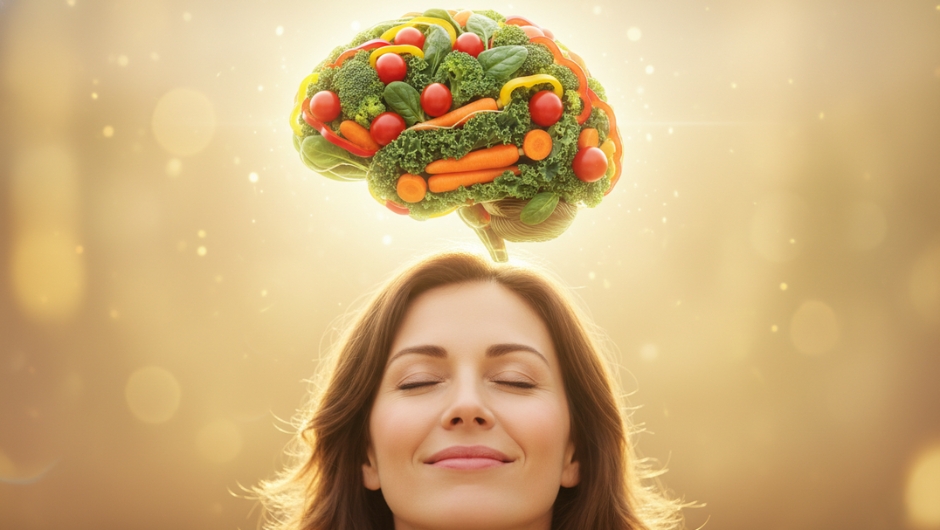
For years, depression has been explained as a chemical imbalance, mainly linked to low serotonin. But modern research is revealing a much deeper truth. Depression has a strong inflammatory and gut-related signature. Brain scans, blood markers, and microbiome studies all point toward the same conclusion: mood disorders are not just happening in the brain, they are also rooted in the gut.
Depression Has an Inflammatory Fingerprint
People suffering from depression often show higher levels of inflammation in the body. This inflammation is not limited to one organ; it affects the gut, immune system, and brain together. Chronic inflammation alters brain signaling, worsens emotional regulation, and increases feelings of sadness, fatigue, and hopelessness. This is why depression cannot be viewed only as a mental issue; it is a whole-body condition.
Your Gut Produces Most of Your Serotonin
Nearly 95% of the body’s serotonin is produced in the gut, not the brain. However, gut cells cannot produce serotonin effectively on their own. They depend heavily on gut microbes. These microbes act like regulators, deciding how much serotonin is made and how well it functions. When gut bacteria are unhealthy or imbalanced, serotonin production drops, directly impacting mood.
The Role of Butyrate in Mental Health
Healthy gut microbes produce a powerful compound called butyrate when they digest dietary fiber. Butyrate is a postbiotic that plays a critical role in mental well-being. It helps reduce inflammation, strengthens the gut lining, and improves communication between the gut and the brain. Without enough butyrate, inflammation increases and mood stability declines.
How Low-Fiber Diets Worsen Depression
Modern diets are often low in fiber and high in processed foods. This starves beneficial gut bacteria, especially those that produce butyrate. As these helpful microbes disappear, harmful inflammatory bacteria take over. This leads to leaky gut, immune overactivation, and increased inflammation. Over time, this inflammation reaches the brain and intensifies depressive symptoms.
What Research Shows About the Microbiome and Depression
Studies consistently show that people with depression have lower microbial diversity and fewer butyrate-producing bacteria. The missing microbes are usually plant-loving species that thrive on fiber-rich foods. This explains why antidepressant medications may help manage symptoms but often fail to address the root cause. Medicines do not rebuild lost gut bacteria; food does.
Fiber: The Forgotten Antidepressant
Fiber is not just important for digestion; it is essential for emotional health. Fiber feeds beneficial gut microbes and supports the production of butyrate. Foods such as beans, lentils, green vegetables, fruits, seeds, and whole grains provide the raw material needed for healthy brain chemistry. Every fiber-rich meal supports gut healing and mood balance.
Polyphenols Support Brain and Gut Health
Polyphenols are natural plant compounds that act like fertilizer for good gut bacteria. They reduce oxidative stress in the brain and support the growth of protective microbes. Foods rich in polyphenols, such as berries, green tea, cocoa, and olive oil help strengthen the gut-brain connection and improve emotional resilience.
Fermented Foods Help Restore Microbial Balance
Fermented foods introduce live beneficial bacteria into the gut. These foods help calm inflammation, strengthen the gut lining, and improve communication between the gut and the nervous system. Regular intake of yogurt, kimchi, sauerkraut, and kefir can support better mood stability and stress tolerance.
Lifestyle Factors That Influence Gut and Mood
Physical movement increases microbial diversity and boosts butyrate production. Regular exercise also improves vagus nerve function, which plays a key role in emotional regulation. On the other hand, poor sleep disrupts gut bacteria because microbes follow circadian rhythms. Chronic stress further damages gut integrity, increases inflammation, and worsens depressive symptoms.
A Simple Daily Gut–Mood Routine
Supporting mental health through the gut does not require complex strategies. Consistently including a wide variety of plant foods, consuming polyphenol-rich items daily, adding fermented foods, staying well-hydrated, and engaging in regular movement can significantly improve gut health and mood over time.