
Men Don’t Have Periods, But They Do Have Hormonal Cycles
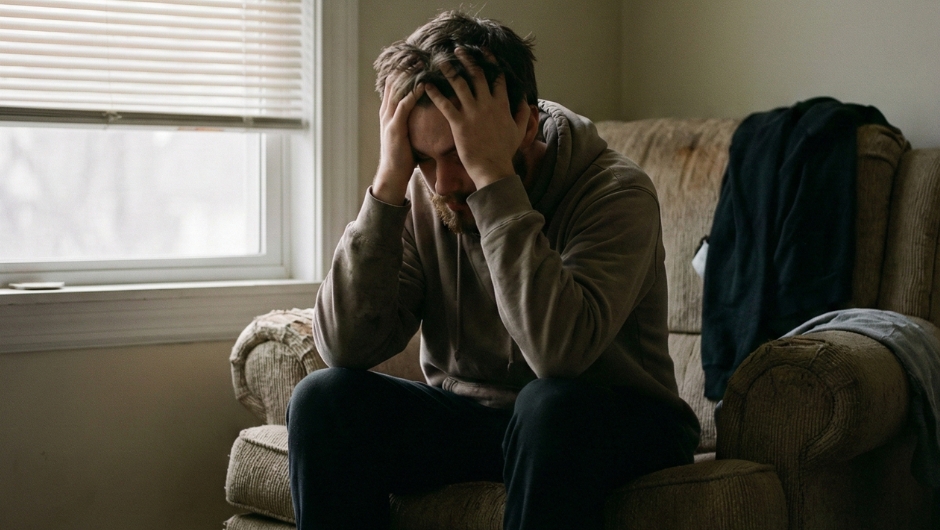
Most people associate hormonal cycles only with women, mainly because of the menstrual cycle. However, men also experience natural biological cycles. The difference is that male cycles are less visible and usually occur daily instead of monthly. These hormonal changes influence energy, mood, focus, and emotional responses in men. Understanding these cycles helps improve health, relationships, and overall well-being.
Daily Testosterone Cycle in Men
The main hormone that controls many male physical and emotional traits is testosterone. This hormone does not stay constant throughout the day. Instead, it follows a natural daily rhythm.
Testosterone levels are usually highest in the early morning, especially between 7 a.m. and 9 a.m. During this time, many men feel more confident, energetic, motivated, and mentally alert. As the day moves forward, testosterone levels gradually decrease. By evening, men may feel tired, less focused, or slightly irritable. This shift is a normal biological process and not a personality or behavior issue.
How Stress Affects Male Hormones
Men often react to stress through hormonal changes before showing emotional reactions. When a man experiences stress, the body releases a hormone called cortisol. Cortisol is useful for short-term stress, but when it remains high for long periods, it starts lowering testosterone levels.
Low testosterone caused by high stress can result in low energy, reduced interest in intimacy, mood swings, poor concentration, and withdrawal from social interactions. Many people misunderstand this behavior and assume emotional disconnection, but often it is the body struggling to manage hormonal imbalance.
Short Emotional and Energy Down Cycles in Men
Although men do not experience monthly physical cycles like women, they can experience short emotional and energy fluctuations lasting around three to seven days. These down cycles are usually triggered by poor sleep, excessive work pressure, emotional stress, or lack of rest and recovery.
During these phases, men may feel less motivated, talk less, and prefer solitude. This behavior is often misunderstood as avoidance, but it is usually the body’s natural way of conserving energy and recovering from stress.
How Men Naturally Recover and Reset
Men often regulate emotions differently compared to women. Many men process stress internally rather than through conversation. Their nervous system usually resets through physical activity, silence, hobbies, or proper rest.
It is common for a man to seem emotionally distant or quiet for a few days and then suddenly return to normal behavior. This sudden improvement happens because the body has completed its natural recovery process.
What Happens When These Cycles Are Ignored
Modern lifestyles often push men to work continuously without proper rest or emotional recovery. When men ignore their natural cycles for long periods, hormonal imbalance can occur. Over time, this can lead to burnout, chronic fatigue, depression, sexual health problems, and emotional withdrawal.
These conditions are not signs of weakness. They are warning signals from the body indicating that recovery and balance are needed.
Support Men Need During Low Phases
During emotional or energy low phases, men usually do not require pressure or forced emotional discussions. They benefit more from understanding, personal space, and time to recover. Supportive environments help stabilize hormones and improve mental health.
Encouraging healthy habits such as exercise, quality sleep, and relaxation can help men regain balance faster and maintain long-term well-being.
Lifestyle Habits That Help Maintain Healthy Male Cycles
Maintaining good sleep is essential because hormone production mainly occurs during rest. Regular physical activity supports testosterone levels and reduces stress hormones. Stress management techniques such as meditation, breathing exercises, or spending time in nature help maintain emotional balance. A nutritious and balanced diet also plays an important role in maintaining hormonal health.