Gut Repair Timeline Nobody Tells You About
 Dr. Raghav ThukralM.D. (Ayurveda)
In this article
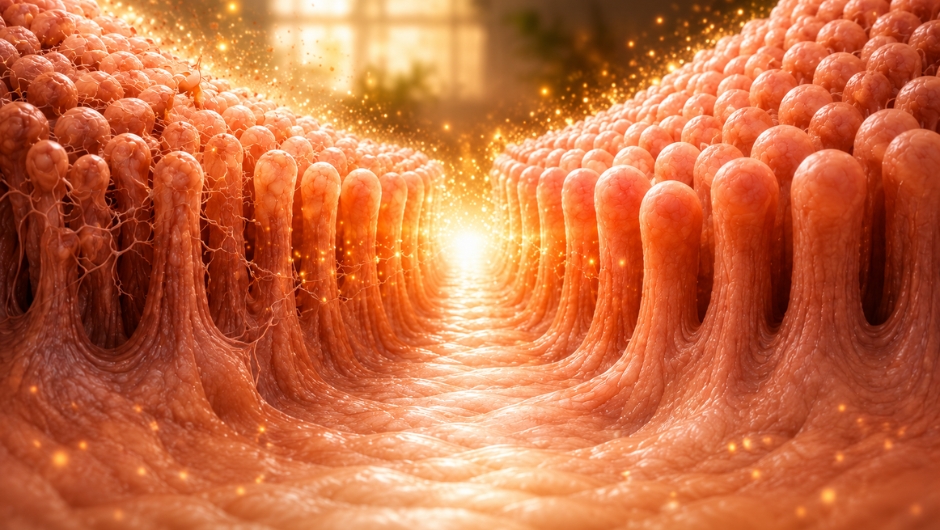
Most people think gut healing is a months-long marathon of bland food, expensive supplements, and frustrating trial and error. But here’s a biological fact that changes everything: the gut lining can replace itself every 3 to 5 days. It’s one of the fastest-renewing tissues in your entire body.
So why, then, do so many of us stay stuck with bloating, food sensitivities, and inflammation for months or years? Because renewal doesn’t happen automatically. It only switches on under very specific conditions. Miss those conditions, and you’re not healing, no matter how “clean” your diet is.
The real secret to rapid gut repair isn’t what you put on your plate first it’s the biological sequence you follow before that. Here’s how it works.
The Hidden Lock on Gut Repair
Your gut lining is incredibly dynamic, but it has a master switch: the nervous system. When your brain perceives stress whether from a demanding job, an overpacked schedule, or unresolved anxiety it enters a protective “fight or flight” state. From a survival perspective, digestion and tissue repair are non-essential luxuries.
In this state, several things happen in your gut at once:
- Blood flow is redirected away from the digestive organs to your muscles.
- Motility (the rhythmic muscle contractions that move food and waste along) slows to a crawl.
- The delicate gut barrier weakens, becoming more permeable.
The longer your body stays locked in stress physiology, the more reactive and inflamed your gut becomes. Food starts to feel like the enemy but the root problem isn’t the food. It’s that your gut is biologically locked out of repair mode. You can swallow all the probiotics and L-glutamine in the world, but if your nervous system is screaming “danger,” those building blocks don’t get used for healing.
Step one is not food. It’s restoring safety, rhythm, and motility.
Phase 1: Flip the Switch to “Rest, Digest & Rebuild”
Repair begins when you intentionally activate your parasympathetic nervous system, often called the “rest and digest” branch. This is the only state where your body allocates resources to the high-speed cellular turnover that rebuilds your gut lining.
Activating this state doesn’t require a week at a spa. Simple, consistent signals of safety tell your gut-brain axis that it’s okay to shift gears. Try these:
- Slow, diaphragmatic breathing: Even 3–5 minutes of inhaling for 4 seconds and exhaling for 6–8 seconds can begin to nudge the system toward calm.
- Gentle morning movement: A short walk, light stretching, or shaking out tension helps discharge pent-up stress hormones.
- Predictable rhythms: Regular meal times and a consistent sleep-wake schedule are powerful non-verbal signals that life is safe.
Only once this shift begins does the body restart the cellular repair machinery needed to regenerate the gut lining.
Phase 2: Restore Motility A Stagnant Colon Cannot Heal
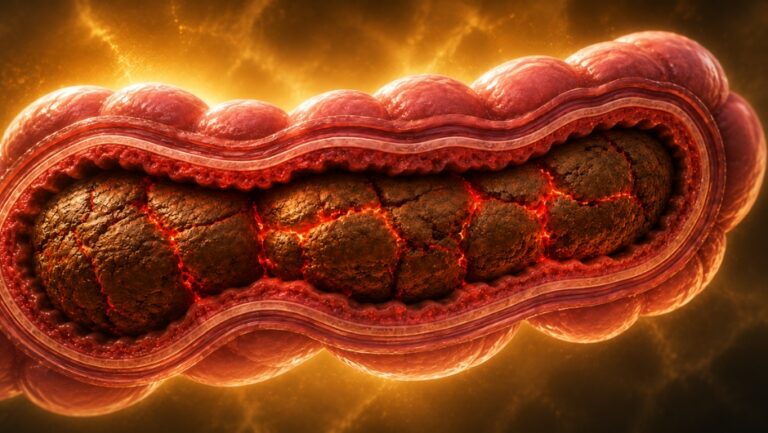
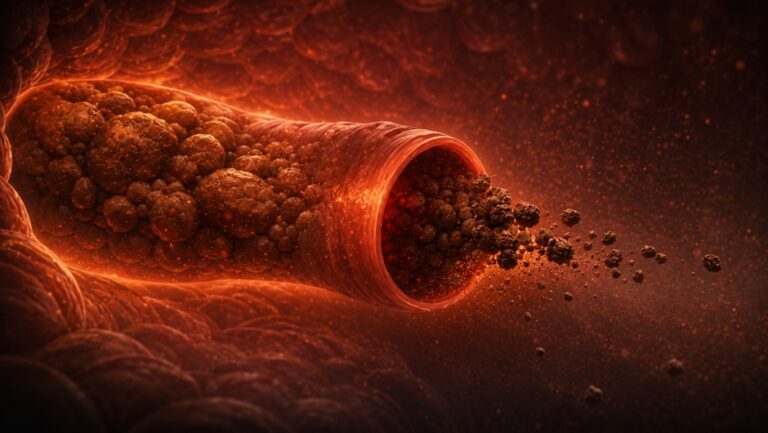
Once the nervous system is starting to settle, the next priority is movement. A gut that isn’t moving properly is a gut that stays inflamed. Hidden constipation, low-level pelvic floor bracing, and chronic dehydration often keep stool trapped in the pipeline, creating a toxic environment that prevents the barrier from sealing.
Normalizing transit time is a game-changer. When things are flowing, inflammatory signals drop and the microbial balance begins to stabilize naturally. Key tools to reset your gut rhythm include:
- Adequate hydration: Water (warm water, in particular) plus electrolytes help soften stool and support smooth muscle contraction.
- Gentle walking: Post-meal walking stimulates migrating motor complexes, the gut’s natural housekeeping waves.
- Optimal elimination posture: A simple footstool under your feet during bowel movements puts the pelvic floor in a position that straightens the rectum, reducing strain and incomplete emptying.
- Abdominal massage: Gentle clockwise abdominal massage can mechanically stimulate movement and relieve gas trapping.
When transit normalizes, the internal environment shifts from inflammatory stagnation to repair-readiness. Now your gut is actually ready to receive and use nutrition.
Phase 3: Add Therapeutic Fiber But Only Now
One of the biggest mistakes in gut healing is introducing fiber too early. When motility is sluggish, raw vegetables and heavy insoluble fiber can ferment, bloat, and irritate an already stressed system. But once movement is restored, fiber becomes a healing tool, not a trigger.
The key is starting with soft, soluble-rich plants that gently feed your microbiome:
- Oats
- Kiwi (especially golden kiwi)
- Chia seeds
- Psyllium husk
- Small portions of well-cooked lentils
These fibers act as prebiotics, feeding the specific microbes that produce butyrate and other short-chain fatty acids (SCFAs). Butyrate is the primary fuel for your colon cells it literally reinforces the gut barrier from the inside out. SCFAs also reduce inflammatory signaling throughout the body and support the vagus nerve, the main communication highway between gut and brain. This is why many people notice not only calmer digestion but a steadier mood as their fiber tolerance returns.
Phase 4: Color Your Plate with Polyphenols
While fiber rebuilds the structure, polyphenols the vibrant pigments in colorful plant foods act like training signals for your microbiome. They increase microbial diversity and resilience without overwhelming a sensitive system. Think of a gentle sprinkle of berries, a few olives, a cup of green tea, or some dark leafy herbs.
Small, gradual additions consistently outperform extreme restriction. You’re not “detoxing” your gut; you’re reintroducing the very signals it needs to grow strong and adaptable again.
Sequence Over Intensity
Quick gut repair does not mean pushing through pain, force-feeding fiber, or embarking on an aggressive detox. It means reintroducing nourishment in the exact order your biology requires so the lining can regenerate safely.
People who feel sensitive to everything are often the ones who respond most profoundly to this approach. Their gut wasn’t fundamentally broken it was over-protective, under-resourced, and stuck in chronic stress physiology. Once rhythm and nutrition return in the right sequence, tolerance usually follows.
Within as little as 3–5 days of restoring safety signals, normal motility, and gentle fiber, the gut barrier begins replacing damaged, inflamed cells with new, more stable ones. Symptoms ease not because you restricted harder, but because the repair programs finally got switched on.
Healing Feels Slow When the Sequence Is Wrong
If your gut healing journey feels like an endless uphill battle, the problem usually isn’t what you’re eating. It’s when and in what state your body is trying to process food. Fix the sequence nervous system first, motility second, targeted nutrition third and the body does the rest.
Gut healing isn’t about perfection. It’s about supporting the biology your body is already trying to run. When conditions are right, your gut doesn’t just cope. It rebuilds.
Related treatments
- Digestive Disorders Program: Digestive Care
Disclaimer: This article is for general education and is not a substitute for personal medical advice. Please consult a qualified doctor before making changes to your diet, supplements or medicines.