
Endometriosis : An Ayurvedic Approach
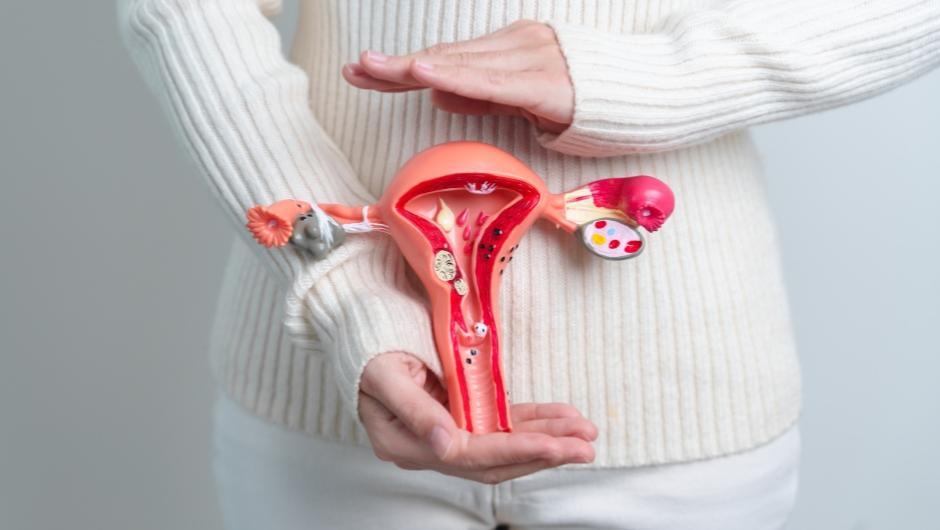
In Ayurveda, endometriosis is not seen as a single disease but as a complex imbalance of doshas, tissues (dhatus), channels (srotas), and digestive fire (agni). Instead of only focusing on lesions or cysts, Ayurveda looks at why the body allows abnormal tissue growth, inflammation, and pain to persist.
Ayurvedic View of Menstrual Health
According to Ayurveda, a healthy menstrual cycle depends on:
- Balanced Vata dosha for proper flow
- Controlled Pitta dosha for normal heat and hormones
- Strong Agni (digestive and metabolic fire)
- Clear Artavavaha srotas (reproductive channels)
When these factors remain balanced, menstruation is painless, regular, and nourishing to the body.
How Ayurveda Explains Endometriosis
Endometriosis develops when Vata dosha becomes aggravated and movement in the pelvic region becomes abnormal. This disturbed Vata pushes menstrual tissue in the wrong direction and causes stagnation. Along with this, Pitta dosha increases, leading to inflammation, burning, and irritation of tissues.
Over time, Ama (toxins) accumulate due to weak digestion. This ama mixes with aggravated doshas and blocks the reproductive channels, creating a favorable environment for abnormal tissue growth outside the uterus.
Role of Agni (Digestive Fire)
Ayurveda strongly connects digestive health with reproductive health. When Agni is weak:
- Food is not digested properly
- Ama is formed
- Hormonal balance is disturbed
- Inflammation increases
This explains why many women with endometriosis also suffer from bloating, constipation, acidity, or IBS-like symptoms.
Dosha Involvement in Endometriosis
Vata Dosha
Vata is responsible for movement and flow. When aggravated, it causes:
- Pelvic pain
- Irregular cycles
- Spasms
- Adhesions and stagnation
Pitta Dosha
Pitta governs heat and transformation. Its imbalance leads to:
- Inflammation
- Burning pain
- Heavy bleeding
- Irritation of pelvic tissues
Kapha dosha may also contribute in some cases by causing cyst formation and heaviness, especially in endometriomas.
Dhatu (Tissue) Involvement
Endometriosis primarily affects:
- Rasa dhatu (plasma) – causing fatigue and poor circulation
- Rakta dhatu (blood) – leading to inflammation and painful menstruation
- Mamsa dhatu (muscle tissue) – contributing to fibrotic growth and adhesions
- Artava dhatu (reproductive tissue) – directly impacting menstrual health and fertility
Understanding Endometriomas in Ayurveda
Endometriomas are seen as a result of Kapha accumulation combined with Vata stagnation and Pitta inflammation. Ama-laden tissues lodge in the ovaries, forming cystic growths that increase oxidative stress and long-term inflammation.
Why Symptoms Differ in Each Woman (Ayurvedic View)
Ayurveda emphasizes Prakriti (body constitution). A woman with Vata dominance experiences more pain, while a Pitta-dominant woman experiences more inflammation and bleeding. Digestive strength, stress levels, emotional health, and lifestyle further influence how the disease manifests.
Ayurvedic Management Approach (Samprapti Bhanga)
Ayurveda aims to break the disease process, not just suppress symptoms.
Ahara (Dietary Correction)
Diet is the foundation of healing. Warm, freshly cooked, and easily digestible foods calm Vata and Pitta. Soups, stews, rice-based meals, ghee, and seasonal vegetables nourish tissues and reduce inflammation. Cold foods, dry snacks, processed items, caffeine, alcohol, and excessive spices aggravate doshas and must be avoided.
Vihara (Lifestyle Correction)
A regular daily routine stabilizes Vata. Sleeping on time, eating meals at fixed hours, avoiding overexertion, and managing stress are essential. Excessive travel, late nights, and mental strain worsen pelvic congestion and pain.
Herbal Support in Ayurveda (Under Supervision)
Classical formulations like Ashokarishta and Dashmularishta support uterine health, reduce inflammation, and pacify Vata. Herbs such as Haridra (Turmeric) and Neem help cleanse ama, balance Pitta, and reduce oxidative stress when used in proper dosage and guidance.
Abhyanga: Calming Vata at the Root
Regular Abhyanga with warm oils such as sesame oil, Bala oil, or Ashwagandha oil nourishes tissues and relaxes pelvic muscles. Gentle massage over the lower abdomen and lower back improves circulation and reduces stiffness. External castor oil application further helps relieve deep-seated pelvic discomfort.
Panchakarma-Inspired Gentle Detox
Ayurveda does not recommend aggressive detox for endometriosis. Instead, mild Virechana, castor oil packs, and light fasting with warm liquids help clear ama and unblock reproductive channels. These therapies must always be done under expert supervision.
Yoga, Pranayama, and Manasika Bhava (Mental Health)
Emotional stress directly aggravates Vata and Pitta. Gentle yoga postures relax pelvic tissues, while pranayama practices calm the nervous system. Meditation and Yoga Nidra reduce pain perception and improve hormonal balance by calming the mind-body axis.