
Depression is not just in your head: The Gut-Brain Connection
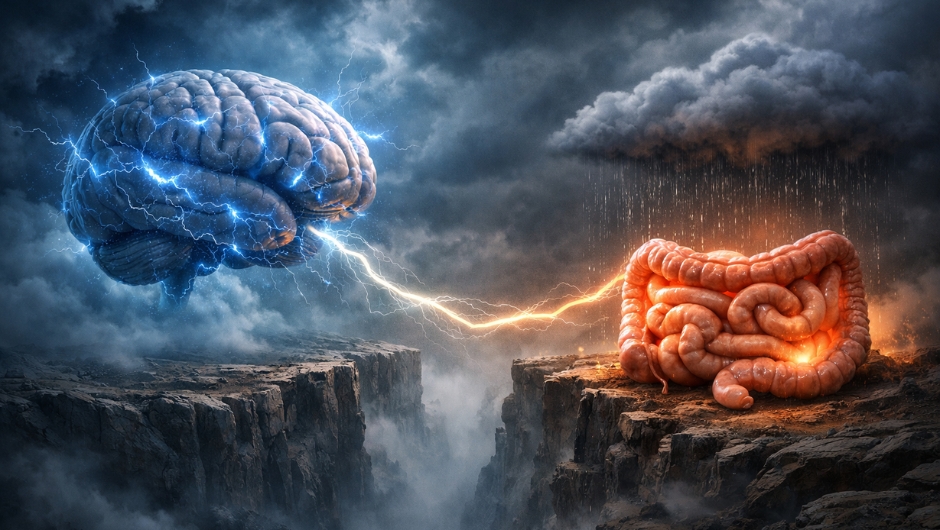
Depression is often seen as a mental issue, but science now shows it’s deeply connected to your gut. Your gut is not just responsible for digestion – it acts like a mood control center. Inside your digestive system lives a community of trillions of bacteria that constantly communicate with your brain through the gut-brain axis. This connection influences how you think, feel, and respond to stress.
The Truth About Serotonin
Most people believe serotonin is produced in the brain, but the reality is surprising – nearly 90% of serotonin is made in the gut. This “feel-good” chemical plays a key role in happiness, emotional stability, and sleep. However, your body cannot produce it properly without the help of healthy gut bacteria, and those bacteria depend heavily on what you eat.
Fiber: The Fuel Your Gut Needs
Fiber is not just for digestion – it is essential fuel for your gut microbes. When you eat fiber-rich foods, your gut bacteria break it down and convert it into powerful compounds called short-chain fatty acids (SCFAs). One of the most important of these is butyrate, which plays a major role in supporting mental health.
Butyrate: Your Natural Mood Booster
Butyrate works in multiple ways to improve your mental well-being. It helps boost serotonin and dopamine activity, reduces inflammation in the brain and body, and strengthens the gut lining to prevent harmful substances from entering the bloodstream. When butyrate levels are healthy, your mind feels calmer, clearer, and more balanced.
What Happens When Fiber Is Low
Modern diets are dangerously low in fiber, often providing only 10–15 grams per day, which is far below what your body needs. Low fiber intake means your gut bacteria cannot produce enough butyrate. This leads to increased inflammation, poor gut health, and a higher risk of depression, anxiety, and brain fog. Research even shows that people who eat more fiber have significantly lower rates of depression.
The Hidden Damage of Processed Foods
Ultra-processed foods make the problem worse. They starve beneficial bacteria and feed harmful ones that trigger inflammation. This imbalance in gut bacteria can lead to fatigue, mood swings, and mental fog. Over time, it weakens the gut-brain connection and makes emotional balance harder to maintain.
Why Supplements Alone Are Not Enough
Many people turn to probiotics for gut health, but without fiber, they are not effective. Probiotics need the right environment to survive and grow. Without fiber, they cannot stay in your gut long enough to make a meaningful difference. Real change comes from consistently feeding your existing good bacteria.
Foods That Support a Healthy Mind
Certain foods are especially powerful for feeding your gut microbes. Whole grains like oats and barley, fruits like apples and kiwis, and seeds such as chia, flax, and psyllium are rich in soluble fiber. These foods help your gut produce more butyrate, which directly supports a better mood and mental clarity.
Small Changes Can Transform Your Mood
Improving your gut health doesn’t require drastic changes. Even adding one fiber-rich food to your daily diet can start making a difference. Within a few days, your gut bacteria begin to improve. Within a few weeks, you may notice better digestion, reduced bloating, and a calmer, more stable mood.
The Simple Science of Feeling Better
The connection between gut health and mental health can be understood with a simple chain: Fiber → Butyrate → Serotonin → Better Mood. This is not just a theory – it is backed by real biological processes happening inside your body every day.