Constant Bloating & Gas? The Real Cause Might Not Be Your Diet
 Dr. Raghav ThukralM.D. (Ayurveda)
In this article
- Understanding the Link Between Slow Motility and Bloating
- Lowering the Fermentation Load to Calm the Gut
- Why Complete Bowel Emptying Matters
- The Role of Natural Foods in Improving Gut Movement
- Movement as a Natural Digestive Booster
- Choosing the Right Probiotic for Relief
- Addressing the Root Cause for Lasting Relief
Bloating has become so common that many people assume it’s a normal part of digestion. The usual reaction is to blame specific foods milk, gluten, lentils, or even fruits. However, in a large number of cases, the real issue is not the food itself but how well your digestive system is moving. Sluggish bowel movement, also known as slow gut motility, plays a major role in causing repeated bloating and gas.
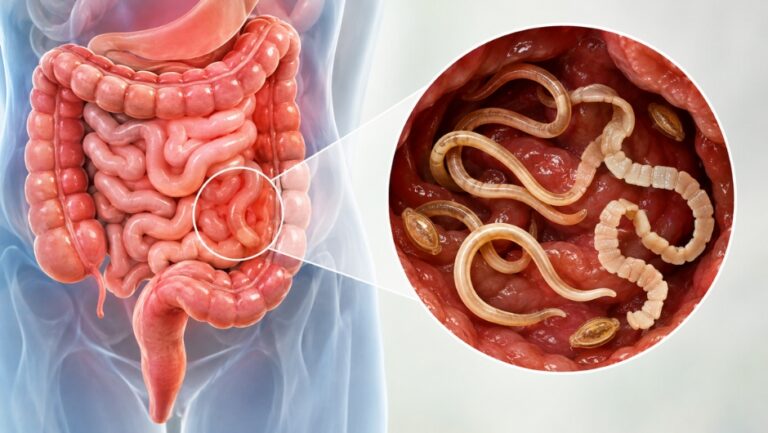
When your bowels are not clearing properly, stool remains in the colon for longer than it should. This creates a kind of “traffic jam” inside your digestive tract. Gas produced during digestion gets trapped behind this buildup, leading to pressure, heaviness, and discomfort. This is why even healthy meals can suddenly feel unbearable. The problem is not always what you eat it’s what your body fails to eliminate efficiently.
Understanding the Link Between Slow Motility and Bloating
Your digestive system is designed to move food smoothly from the stomach through the intestines and out of the body. When this movement slows down, fermentation starts happening too early in the digestive tract. Instead of being absorbed properly, food begins to break down by bacteria in the wrong place, producing excess gas.
This explains why many people experience bloating hours after eating something that seemed perfectly fine. The discomfort is not a direct reaction to the meal but a result of delayed clearance and internal pressure. Over time, this pattern can make the gut more sensitive, creating the false impression of multiple food intolerances.
Lowering the Fermentation Load to Calm the Gut
One effective way to reduce bloating quickly is by temporarily lowering the intake of highly fermentable carbohydrates, often referred to as FODMAPs. These compounds are not harmful, but they can increase gas production when digestion is already slow.
Reducing these foods for a short period allows the gut to settle and reduces internal pressure. It is important to understand that this is not meant to be a permanent dietary restriction. The goal is to calm inflammation and then gradually reintroduce these foods, helping the gut build tolerance over time rather than becoming overly restrictive.
Why Complete Bowel Emptying Matters
A commonly overlooked cause of chronic bloating is incomplete bowel evacuation. Even if you are going to the toilet daily, it does not necessarily mean your bowels are fully emptying. Residual stool left behind in the colon continues to ferment and produce gas.
Improving your posture during bowel movements can make a significant difference. Using a squatting position aligns the rectum in a way that allows easier and more complete elimination. This simple adjustment can relieve pressure in the abdomen almost immediately and is often one of the fastest ways to reduce persistent bloating.
The Role of Natural Foods in Improving Gut Movement
Certain foods can actively support bowel motility without irritating the gut. One of the most effective examples is Green Kiwi. Unlike many high-fiber foods that may worsen gas in sensitive individuals, kiwi has a unique combination of soluble fiber and digestive enzymes.
It contains an enzyme called actinidin, which helps break down proteins and supports smoother digestion. Regular consumption of two to three kiwis daily has been shown to improve stool consistency, enhance bowel frequency, and reduce bloating within a few days. This makes it an excellent starting point for individuals who struggle with both constipation and gas.
Movement as a Natural Digestive Booster
Physical movement plays a crucial role in maintaining healthy digestion. The intestines rely on rhythmic contractions to push food and gas forward. When the body is inactive, this movement slows down, allowing gas to accumulate.
Even light activity, such as a short walk after meals, can stimulate these contractions and help move trapped gas through the intestines. Walking should not be seen only as exercise but as a mechanical aid for digestion. It activates the body’s natural cleansing waves, helping clear residual waste before it has a chance to ferment excessively.
Choosing the Right Probiotic for Relief
While probiotics are widely used for gut health, not all strains are effective for bloating. One strain that has shown consistent benefits is Bifidobacterium infantis. This particular probiotic helps regulate bowel movements, reduce gas production, and improve overall gut balance.
It works by supporting a healthier microbial environment without overstimulating the digestive system. However, it is best used as a temporary support tool while the underlying issue of slow motility is being corrected. Long-term gut health depends more on dietary diversity and proper digestion than on continuous supplementation.
Addressing the Root Cause for Lasting Relief
Persistent bloating is rarely random. It usually points to deeper issues such as slow intestinal movement, incomplete bowel emptying, or imbalance in gut bacteria. When these root causes are addressed, the digestive system becomes more efficient and less reactive.
Instead of continuously eliminating foods and restricting your diet, focusing on improving gut motility and clearance can bring more sustainable relief. As the digestive system regains its natural rhythm, tolerance to a wider range of foods improves, and bloating gradually becomes less frequent.
Related treatments
- Digestive Disorders Program: Digestive Care
Disclaimer: This article is for general education and is not a substitute for personal medical advice. Please consult a qualified doctor before making changes to your diet, supplements or medicines.