Choosing the Right Grain for Your Health: Ayurvedic Insights
 Dr. Raghav ThukralM.D. (Ayurveda)
In this article
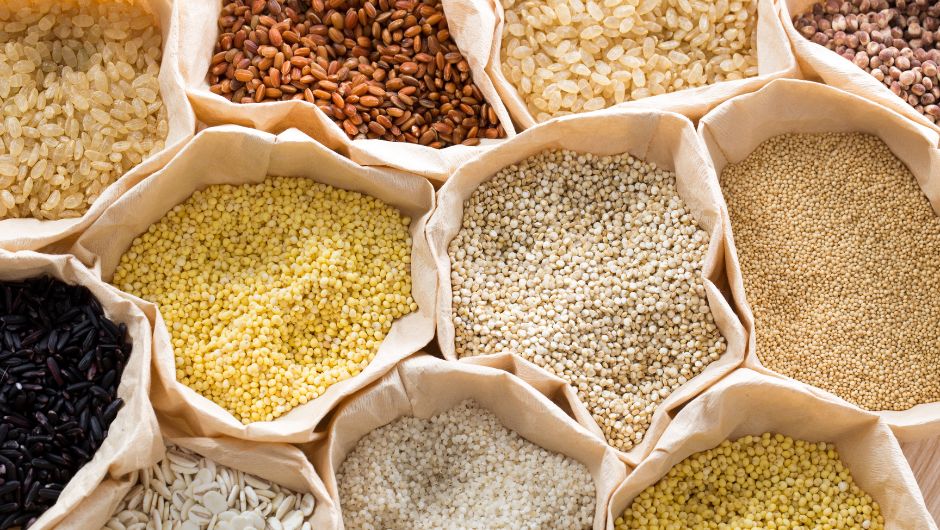
In a world where food choices are abundant, it can be challenging to determine what’s best for your health. When it comes to grains, each type offers unique benefits and considerations. Ayurveda, an ancient system of medicine from India, provides valuable insights into which grains suit different body types and conditions. Let’s explore the qualities of four common grains through an Ayurvedic lens to help you make informed choices for your well-being.
1. Wheat
- Qualities: Sweet, Cold, Heavy to Digest
- Best For: Growing children, Healthy individuals, Weight gain
- Who Should Avoid: Those with weak digestion, Bloating, Obesity, Diabetes
2. Jowar (Sorghum)
- Qualities: Light, Dry, Cold in Nature
- Best For: Summer and autumn, Weight loss
- Who Should Avoid: Individuals with excessively dry skin, Hard stool, Constipation
3. Bajra (Pearl Millet)
- Qualities: Hot, Dry, Heavy
- Best For: Winter, Iron and Calcium supplementation, Weight loss
- Who Should Avoid: People with Pitta imbalance, Bleeding disorders, Those in hot climates
4. Ragi (Finger Millet)
- Qualities: Light, Balanced temperature and moisture
- Best For: Strengthening, Anemia prevention, Calcium intake
- Suitable for all ages and seasons
Tips for Children:
- Best Grains: Wheat, Ragi
- Multi-Grain Options: Not specified in Ayurveda
Understanding these Ayurvedic insights can help tailor your diet to your specific needs and conditions. Whether you’re looking to gain weight, lose weight, or simply maintain overall health, choosing the right grain can make a significant difference in your well-being.
By aligning your diet with the principles of Ayurveda, you can harness the power of nature to support your health and vitality for years to come. Choose wisely, nourish yourself mindfully, and enjoy the journey to holistic well-being.
How to Use These Grains Every Day
- Rotate grains through the week instead of eating only wheat — for example, jowar or bajra rotis a few times a week and ragi porridge or dosa for breakfast.
- Match the season: warming bajra in winter, lighter jowar in summer.
- Help digestion: soak millets before cooking and pair them with ghee, dal and cooked vegetables to balance their dry quality.
- Rice is light and easily digested in Ayurveda; unpolished or hand-pounded rice in sensible portions suits most people.
- With diabetes, portion size matters more than the type of grain — combine grains with protein and vegetables.
- With coeliac disease, avoid wheat entirely; jowar, bajra, ragi and rice are naturally gluten-free.
Related treatments
- Digestive Disorders Program: Digestive Care
- Endocrine Disorders Program: Diabetes, Thyroid & Weight Care
Disclaimer: This article is for general education and is not a substitute for personal medical advice. Please consult a qualified doctor before making changes to your diet, supplements or medicines.