
6 Foods That Gut Parasites Absolutely Hate
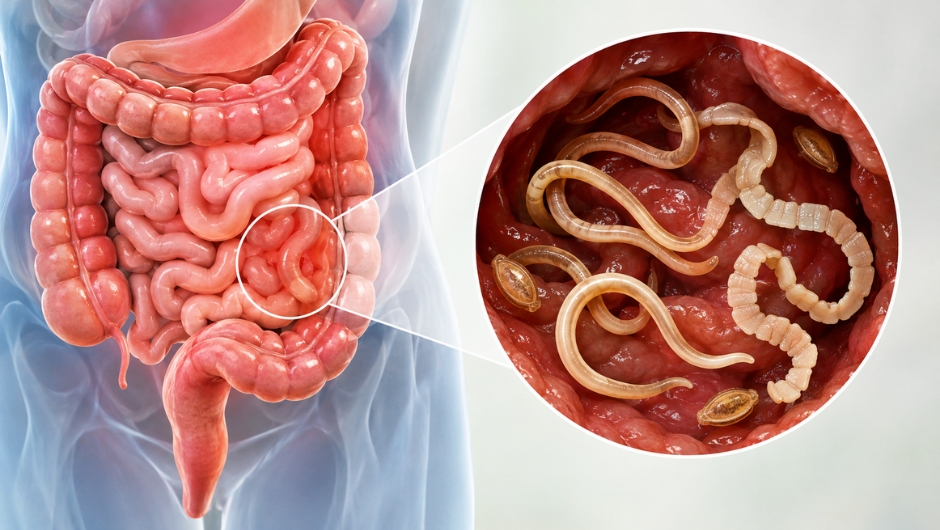
Gut parasites are organisms that can live in the digestive tract and may cause symptoms such as abdominal discomfort, diarrhea, nausea, unexplained weight loss, anemia or changes in bowel habits. But not every digestive symptom means you have a parasite, and different parasites require different treatments.
Some foods and herbs contain natural compounds that have shown antiparasitic or anthelmintic activity in laboratory, animal or limited human studies. These foods are interesting from a nutrition and traditional-medicine perspective, but they should not automatically be considered substitutes for proven antiparasitic treatment.
Here are six commonly studied foods and spices.
Garlic
Garlic contains sulfur-containing compounds, particularly allicin, which forms when fresh garlic is crushed or chopped.
Laboratory research has found that allicin can act against certain microorganisms, including intestinal protozoa such as Entamoeba histolytica and Giardia. Researchers believe some of these effects may occur because allicin reacts with important sulfur-containing enzymes involved in microbial metabolism. (PubMed)
However, an important distinction is needed: evidence that purified allicin affects parasites in laboratory conditions does not prove that eating ordinary amounts of garlic will eliminate a parasite infection in humans.
Why it is interesting: Garlic provides allicin and other sulfur compounds with antimicrobial activity.
Best approach: Use fresh garlic as part of a balanced diet rather than relying on garlic alone as a deworming treatment.
Cloves
Cloves are especially rich in eugenol, an aromatic compound that has demonstrated antimicrobial and antiparasitic activity in experimental research.
Recent laboratory research has also investigated eugenol and related compounds against parasitic worms, finding effects on parasite eggs and larvae. However, this research was performed on Haemonchus contortus, a parasite primarily studied in veterinary medicine, so the results cannot automatically be applied to human intestinal worms. (PubMed)
This is an important limitation because concentrated clove extracts or essential oils are very different from the small amount of clove normally used in food.
Why it is interesting: Eugenol may interfere with biological processes important to certain parasites.
Remember: Laboratory antiparasitic activity does not mean clove tea or cloves can cure a human parasitic infection.
Pumpkin Seeds
Pumpkin seeds have a long history of traditional use against intestinal worms and contain several biologically active compounds, including cucurbitin and cucurbitacins.
There is also some human research. A community-based study investigated pumpkin seeds in people with taeniasis, an intestinal tapeworm infection. Pumpkin seeds alone were associated with expulsion of whole tapeworms in 9 of 12 confirmed cases, although the study was relatively small and the treatment used in the study involved specific preparations rather than simply eating a handful of ordinary roasted pumpkin seeds. (PubMed)
Research reviews have proposed cucurbitin and other seed compounds as possible contributors to the anthelmintic activity of pumpkin seeds. (ScienceDirect)
Why it is interesting: Pumpkin seeds contain compounds that have demonstrated activity against certain parasitic worms.
Practical food: Unsalted pumpkin seeds can be added to oatmeal, salads, yogurt or meals for protein, minerals and healthy fats.
Turmeric
Turmeric contains curcumin, one of its best-studied bioactive compounds.
Research has found that curcumin can affect several parasites in laboratory and animal studies, including organisms such as Entamoeba histolytica and Giardia. These findings suggest that curcumin has genuine biological antiparasitic potential. (PubMed Central (PMC))
However, human evidence specifically showing that turmeric or curcumin can eliminate intestinal parasites is still limited.
Turmeric is therefore better viewed as a potentially supportive food containing bioactive compounds, rather than a proven deworming medicine.
Why it is interesting: Curcumin has demonstrated antimicrobial, anti-inflammatory and antiparasitic activity in experimental research.
Food idea: Add turmeric to vegetables, dals, soups or other meals rather than consuming very large amounts of concentrated turmeric supplements.
Papaya Seeds
Among the six foods on this list, papaya seeds have one of the more interesting pieces of direct human evidence.
A small randomized pilot study involving 60 children with stool-confirmed intestinal parasites compared an elixir made with air-dried papaya seeds and honey with honey alone. After seven days, parasite clearance was observed in 23 of 30 children (76.7%) receiving the papaya-seed preparation compared with 5 of 30 (16.7%) receiving honey alone. (PubMed)
That result is promising, but it is still only a small pilot study. It does not establish that casually eating papaya seeds is a reliable treatment for all intestinal parasites.
Health experts also caution against consuming large quantities of papaya seeds or treating a suspected infection exclusively with a “parasite cleanse.” (Cleveland Clinic)
Why it is interesting: Unlike many popular parasite-food claims, papaya seeds have at least some human clinical evidence behind them.
Black Seed (Nigella sativa)
Black seed, also called black cumin, contains numerous bioactive compounds, with thymoquinone being one of the most studied.
Experimental studies have reported anthelmintic activity of Nigella sativa and its oil against several types of parasitic worms. Proposed mechanisms include effects on parasite metabolism and oxidative stress. (PubMed Central (PMC))
However, most of the specific evidence for antiparasitic activity comes from laboratory and animal research. Reviews of human clinical trials of black seed have found evidence for several other health effects, while emphasizing that many proposed applications still require additional clinical research. (PubMed Central (PMC))
Why it is interesting: Thymoquinone and other black-seed compounds have demonstrated biological activity that warrants further antiparasitic research.
Food Is Not the Same as Treatment
If someone genuinely has an intestinal parasite, identifying which parasite is present matters.
The CDC notes that parasite diagnosis can require stool examination, antigen testing, blood tests or other investigations depending on the suspected organism and symptoms. For some intestinal parasites, multiple stool samples may be needed because a single sample can miss an infection. (CDC)
Therefore, these six foods are best considered nutritious foods and sources of potentially bioactive compounds not guaranteed parasite cleanses.