
The Silent Epidemic: Colon Cancer Is Surging in Young Adults
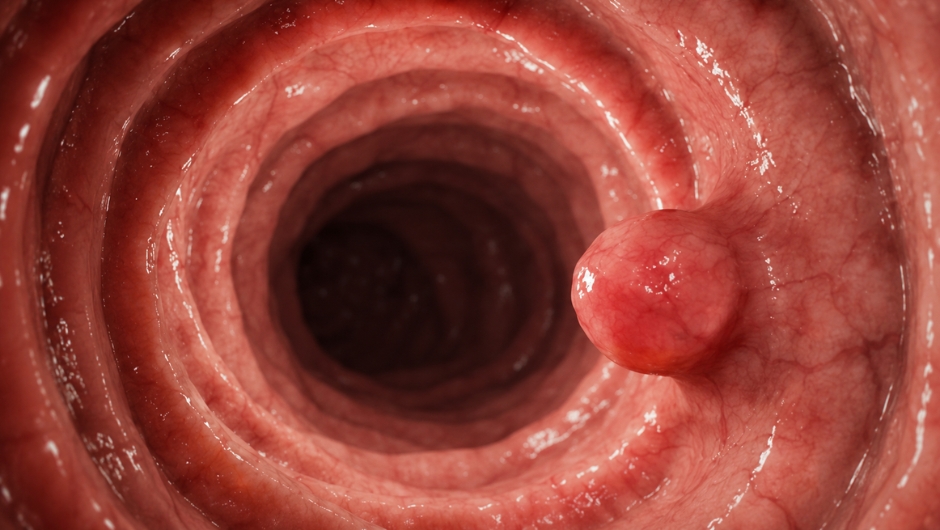
Colon cancer is now the number one cause of cancer death in men under 50 and number two in women under 50. This isn’t a headline designed to scare you it’s a statistical reality that demands our attention.
The most troubling part? It starts as a silent polyp, no larger than the tip of a pencil, that can grow undetected for 10 to 15 years. Zero symptoms. No warning signs. Just a tiny growth that, left unchecked, becomes a life-threatening diagnosis.
Here’s what the research says can stop it.
The Numbers Are Staggering
In the United States, an estimated 158,850 people will be diagnosed with colorectal cancer in 2026, and approximately 55,230 will die from the disease. What’s particularly alarming is the demographic shift: nearly 45% of new diagnoses are now in people under 65, compared with just 27% in 1995.
The global picture is equally concerning. India records between 38,000 to over 54,000 deaths annually from colorectal cancer, ranking fifth globally in mortality. Perhaps most shocking: up to 40% of colorectal cancer patients in India are under the age of 40.
People born in 1990 now have double the risk of colon cancer and four times the risk of rectal cancer compared to those born in 1950.
The takeaway? This isn’t just an “older person’s disease” anymore. And you cannot judge risk by how someone looks polyps grow in people who eat clean and exercise regularly.
The 10-Year Window
A colon polyp starts at 1mm the size of a pencil tip. Over years, it doubles in size until it becomes the size of a blueberry, then a raspberry, then larger. For most of that time: zero symptoms.
Consider the 31-year-old who ate clean, did yoga, and appeared completely healthy. A routine colonoscopy found a massive polyp. It wasn’t a matter of if it would become cancer; it was when.
One in every 25 people will be diagnosed with colorectal cancer over their lifetime. Over 75% of cases in India are diagnosed at an advanced stage significantly increasing mortality risks.
What the Research Says Can Stop It
While these statistics are sobering, the research on prevention is remarkably clear. Here are seven evidence-backed strategies that can protect your colon at the cellular level.
1. Cruciferous Vegetables
Broccoli, cauliflower, Brussels sprouts, and kale contain an enzyme called myrosinase that activates sulforaphane one of the most studied compounds for anti-cancer activity. Research suggests sulforaphane helps switch off tumour-promoting genes and activate tumour-suppressor genes.
The hack: If you prefer cooked broccoli, sprinkle dry mustard seed on top after cooking. The mustard seed restores the myrosinase enzyme activity, delivering the same benefit as eating it raw. Alternatively, eating any cruciferous vegetable raw in the same meal as cooked works too.
2. Black Beans and Lentils
An umbrella review covering 17 million person-years found class-one evidence that fibre reduces dying from any cause, heart disease, and pancreatic cancer. A separate review found fibre may reduce cancer risk by 22%.
Yet 95% of men and 91% of women are fibre-deficient.
If beans cause bloating: Buy dry, soak overnight, and rinse thoroughly before cooking. This removes raffinose, the gas-causing enzyme. Lentils and split peas are typically the best-tolerated starting point for people new to legumes.
The connection: Fibre feeds the gut bacteria that produce short-chain fatty acids which directly protect the colon lining.
3. One Brazil Nut Daily
Selenium is a trace mineral that acts as a cofactor in the body’s DNA repair enzymes helping catch and fix copying errors in cells that, when missed, become mutations and eventually polyps.
Brazil nuts are the single most concentrated whole food source of selenium. One nut delivers the recommended daily amount.
This matters specifically in the colon because the lining replaces itself every few days making it one of the most rapidly dividing tissues and one of the most vulnerable to damage when repair support is low.
Important: Do not exceed two to three Brazil nuts daily. Selenium accumulates, and too much becomes toxic.
4. Frozen Wild Berries
Berries are loaded with anthocyanins, phytonutrients that research shows can switch off tumour-promoting genes and activate tumour-suppressor genes at the cellular level.
The Nurses’ Health Study found that for every two servings of berries per week, breast cancer survivors reduced their risk of dying from breast cancer by 25%. The gut and colon benefits are equally strong; anthocyanins feed beneficial colon bacteria and reduce inflammation in the colon lining.
Pro tip: Buy frozen wild berries, not organic fresh. Wild berries grow in nature, need no pesticide label, and their nutritional value is locked in at freezing.
Purple sweet potatoes contain 150% more anthocyanins than berries one daily is a powerful addition.
5. Processed Red Meat, Alcohol, and Ultra-Processed Food
Processed meat bacon, sausage, pepperoni, deli meat, chicken nuggets is a Class 1 carcinogen. Research links red and processed meat to driving diabetes risk by up to 60%. Alcohol is directly linked to colon cancer risk.
Ultra-processed food makes up 60% of the average American’s diet and 67% of children’s diets.
The Journal of the American Medical Association published in 2022 that food is the leading cause of death in the United States.
Every ultra-processed meal crowds out the fibre, phytonutrients, and selenium that protect the colon. Swapping one processed meat serving per day for beans is associated with a 30% reduction in cancer risk.
6. Edamame
Edamame was wrongly condemned based on rodent studies humans do not metabolise soy the way rodents do. The American Cancer Society’s 2022 nutrition update showed a 25% reduction in breast cancer recurrence with regular soy consumption.
Dr. Neal Barnard’s study, repeated twice, showed that half a cup of edamame daily reduced moderate-to-severe hot flashes by 88%.
Soy binds to oestrogen receptor beta in breast tissue, turning off the proliferative signal. Research also links it to protection against prostate cancer and direct gut microbiome benefits.
Half a cup per day. That is all the research used. Tofu, tempeh, and soy milk carry the same benefits.
7. It’s Never Too Late to Start
Transitioning to a diet rich in whole vegetables, fruit, fibre, and plant proteins can add:
- 11 years of healthy life expectancy for women starting at 20
- 13 years for men starting at 20
- 8 additional years for women diagnosed with cancer at 60
- 3.4 years for women in their 80s
Every single meal is a decision to build a healthier version of yourself. It doesn’t have to be perfect—it has to be more consistent than before.