
The “Hidden Constipation” Nobody Talks About
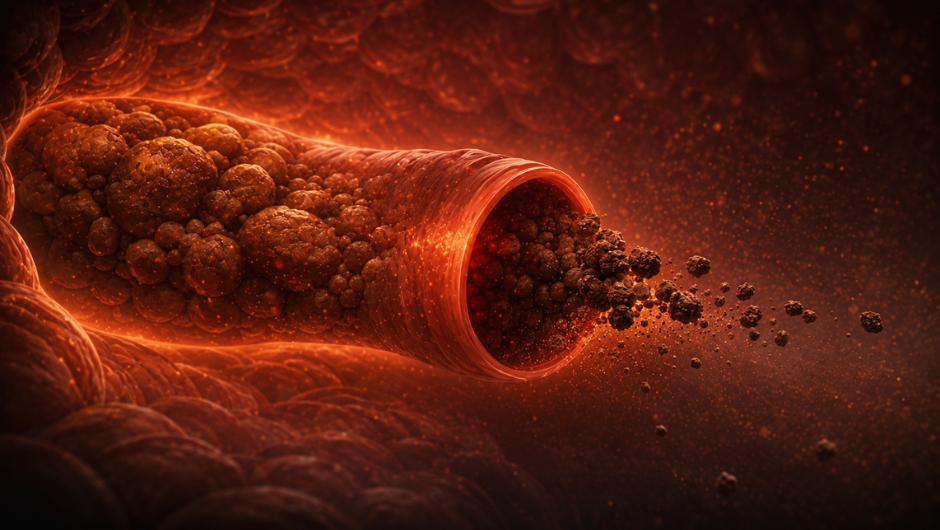
If you’ve ever looked into the toilet and seen small, pellet-like pieces rather than a smooth, continuous log, you might assume everything is fine. After all, you went to the bathroom today, right?
Wrong.
While frequency is important, shape is actually a much better indicator of gut health. When your stool comes out in small, broken pieces, it’s a sign that your colon isn’t clearing properly. This condition is known as hidden constipation, and it is arguably the most common and most misunderstood gut issue in the world today.
Here is why this happens, why it is messing with your energy and bloating, and exactly how to fix it without making things worse.
The Science of the “Pebble” Poop
Your colon (large intestine) has one primary job: to absorb water from the food waste passing through it. As stool travels through your digestive tract, it slowly loses moisture.
- Normal transit: If things move at a healthy pace, the stool remains soft, well-formed, and easy to pass in one piece.
- Slow transit: If the stool lingers in your colon for too long, the colon continues to pull water out of it. The longer it sits, the drier and harder it becomes.
Eventually, that single mass dries out and breaks apart into small, hard pellets. This is your body’s way of signaling that transit time is too slow.
The Myth of “Going Every Day”
Here is the most crucial point: You can have a bowel movement every single day and still be constipated.
If you pass small pieces but never feel “fully empty,” the stool in the lower colon is leaving, but the stool in the upper colon is stalled. This backup is called hidden constipation (or fecal retention). It means your gut is storing waste that should have been evacuated days ago. Frequency alone does not mean your gut is clear.
The Domino Effect: Bloating, Gas, and Brain Fog
When stool sits in your upper colon for extended periods, it doesn’t just dry out it ferments. The longer that waste sits, the more time gas-producing bacteria have to feast on it.
This fermentation process produces excess gas, which pushes upward against your diaphragm. This is the primary driver of that uncomfortable, “tight” bloating you feel, even when you haven’t eaten a heavy meal.
Furthermore, this stagnation creates a vicious cycle:
- Stool sits too long.
- You clear a little bit, but not all of it.
- The cycle repeats the next day.
If you suffer from chronic bloating, brain fog, or anxiety, your gut is likely the culprit. Your gut produces about 95% of your body’s serotonin. When the gut is backed up, it sends distress signals up the vagus nerve to the brain, which can trigger anxiety and mood swings.
The 90-Second Rule: A Quick Health Check
How long do you spend in the bathroom? If you are sitting there for 5 to 10 minutes, scrolling on your phone while straining, that is a red flag.
A healthy bowel movement should be effortless, taking approximately 30 to 90 seconds no pushing, no straining, just a natural release. If you are pushing, you are adding unnecessary pressure to your pelvic floor, which can lead to haemorrhoids and further nerve dysfunction. Pushing harder does not fix the problem; the issue is slow motility, not lack of effort.
How to Fix Hidden Constipation
If your first instinct is to load up on fiber supplements or salads, stop. That is a mistake.
If your stool is already sitting and drying out, adding a massive amount of fiber acts like adding bricks to a backed-up drain. It will bulk up the waste even more, leading to a sudden spike in bloating and pain.
The fix isn’t about bulking the stool; it’s about moving the stool. Here is the step-by-step “Fast Fix” protocol.
Step 1: Restore Movement First (The “Unstick” Phase)
Before you add anything to your diet, you must encourage your colon to push.
- Hydration: Water is the lubricant for your gut. Start your morning with 16 ounces of water. If you can, add a pinch of sea salt or a squeeze of lemon to replace electrolytes.
- Morning Movement: The colon has a natural “gastrocolic reflex” that is strongest in the morning. Take a 10-minute walk immediately after waking up or drinking water. Gentle movement physically stimulates the gut to contract.
- Magnesium: A magnesium supplement (specifically magnesium citrate or glycinate) pulls water into the bowels, softening the stuck stool and stimulating peristalsis without adding bulk.
Step 2: Address the Nervous System
Your gut is deeply connected to your brain. Stress and anxiety literally shut down the vagus nerve, which controls the muscle contractions that move stool through the colon. If you are holding tension in your body, your gut will hold stool. Deep breathing exercises, diaphragmatic breathing, or even a simple 5-minute meditation before meals can activate the “rest and digest” state, allowing your gut to shift into gear.
Step 3: The “Slow Fiber” Rebuild
Once your stool starts to soften and you begin passing larger pieces, then you can reintroduce fiber but do it low and slow.
- Start with soluble fiber (like oats, chia seeds, and cooked carrots) which absorbs water and turns into a gel, rather than insoluble fiber (like raw kale or bran).
- Increase your intake by just 2–3 grams per day.
- Pair every gram of fiber with an extra glass of water.