
20 Foods Parasites Hate
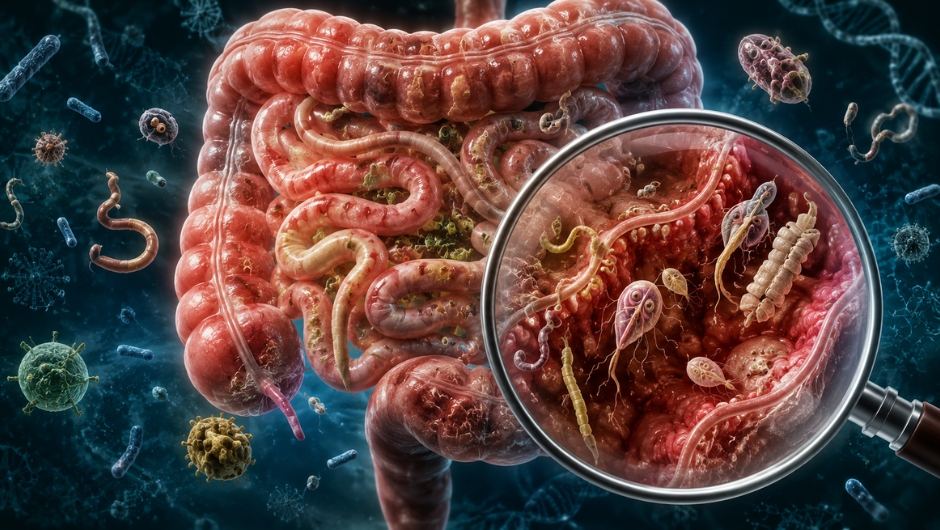
Parasites are more common than most people realize. According to the World Health Organization, over 3.5 billion people worldwide are affected by parasitic infections, with many cases going undiagnosed in developed countries. These unwelcome guests can cause a range of symptoms from digestive issues and fatigue to skin problems and weakened immunity.
While pharmaceuticals have their place, nature has provided us with an impressive arsenal of foods and herbs that create an inhospitable environment for parasites. Here are 20 powerful foods that parasites hate.
1. Wormwood
One of the most well-known antiparasitic herbs, wormwood has been used for centuries to address roundworms, pinworms, and tapeworms. Its active compound, thujone, disrupts the parasite’s nervous system, making it difficult for them to survive in the digestive tract. Consider incorporating wormwood tea or supplements into a short-term cleanse protocol.
2. Black Walnut Hull
A staple in parasite cleansing protocols, black walnut hull is prized for its ability to expel both adult parasites and their eggs. The hull contains juglone, a compound that interferes with the parasite’s ability to absorb nutrients. It’s particularly effective when combined with wormwood and cloves a combination known as the “three sisters” of parasite cleansing.
3. Cloves
Packed with eugenol, cloves are lethal to parasite eggs and larvae something many other antiparasitic compounds fail to address. This makes cloves an essential component of any comprehensive parasite protocol. Eugenol has been shown to reduce the viability of parasite eggs by up to 95% in some studies.
4. Oregano Oil
Loaded with carvacrol and thymol, oregano oil is a powerhouse for breaking down parasite biofilms protective layers that pathogens create to shield themselves from immune system attacks. Always address biofilms when dealing with persistent parasitic infections. A 2018 study found that oregano oil inhibited the growth of several common parasites, including Giardia lamblia.
5. Neem
This powerful Ayurvedic herb offers antiparasitic, antifungal, and detox-supportive properties. Neem contains nimbidin and other compounds that have demonstrated activity against various parasites, including those resistant to conventional treatments. Neem also supports liver function, which is crucial for parasite elimination.
6. Apple Cider Vinegar
Acidifying the gut environment creates conditions that parasites find inhospitable. Apple cider vinegar helps dislodge parasites from intestinal walls while improving overall digestion. The acetic acid in ACV also supports the growth of beneficial bacteria while making the environment less welcoming for pathogens.
Pro tip: Start your day with 1 tablespoon of raw, unfiltered apple cider vinegar diluted in a glass of water.
7. Barberry (Berberine)
This herb contains berberine, a compound that kills protozoa and pathogenic gut bacteria while restoring microbial balance. Berberine has been shown to be as effective as some prescription antiparasitic medications against certain protozoan infections. It’s also beneficial for blood sugar regulation and cardiovascular health.
8. Raw Honey
With its natural antifungal properties and immune-boosting capabilities, raw honey helps slow parasite growth while supporting overall gut health. Unlike processed honey, raw honey contains beneficial enzymes and compounds that support the body’s natural defenses. Manuka honey, in particular, offers enhanced antimicrobial benefits.
9. Thyme
This common kitchen herb has powerful antimicrobial properties and has been used traditionally to clear intestinal worms and parasites. Thymol, its active compound, creates an environment that parasites find toxic while supporting healthy digestion.
10. Papaya Seeds
Containing carpaine, papaya seeds have demonstrated significant antiparasitic effects in multiple studies. A 2007 study published in the Journal of Medicinal Food found that papaya seed extract eliminated intestinal parasites in 76% of participants. The seeds can be ground and added to smoothies or consumed with honey.
11. Pumpkin Seeds
Rich in cucurbitacin, pumpkin seeds have the unique ability to paralyze parasites, causing them to detach from the intestinal wall. This makes them easier to eliminate through normal digestive processes. Enjoy them as a snack or grind them into a fine powder for maximum benefit.
12. Pineapple
The bromelain enzyme in pineapple breaks down parasite membranes while aiding digestion. This proteolytic enzyme has been shown to degrade the protective protein coatings that some parasites use to evade immune detection. Fresh pineapple is preferable to canned varieties, which often have reduced enzyme activity.
13. Lemon
Lemon alkalizes the gut while boosting bile flow, which is essential for liver support and parasite resistance. Thin, healthy bile is crucial for flushing parasites and their toxins from the body. Start your morning with warm lemon water to stimulate bile production and support detoxification.
14. Cayenne Pepper
This fiery spice boosts circulation and irritates parasites out of hiding. Capsaicin, the compound that gives cayenne its heat, creates an environment that parasites find extremely uncomfortable, encouraging them to detach from intestinal walls. Cayenne also supports digestive enzyme production and nutrient absorption.
15. Garlic
Rich in allicin and ajoene, garlic contains compounds that kill parasites and pathogens while supporting immune function. The sulfur compounds in garlic are excreted through the respiratory system, making it effective against lung parasites as well. For maximum benefit, crush fresh garlic and let it sit for 10 minutes before consumption to activate allicin.
16. Ginger
This warming root supports digestion and creates an unwelcoming environment for worms. Ginger stimulates digestive fire, reduces inflammation, and improves gut motility. These actions help flush parasites from the system while supporting overall terrain health.
17. Turmeric
Everything traces back to the liver, and turmeric excels at supporting this vital organ. Its active compound, curcumin, boosts bile production, reduces inflammation, and supports liver detoxification pathways. Combine turmeric with black pepper to increase absorption by up to 2000%.
18. Fennel Seeds
These aromatic seeds soothe digestion and gently help move parasites out of the body. Fennel reduces gas and bloating often associated with parasitic infections while supporting healthy peristalsis. Chew a teaspoon of fennel seeds after meals to support digestion and freshen breath.
19. Coconut Oil
Containing lauric and caprylic acid, coconut oil damages parasite membranes and yeast overgrowth. These medium-chain triglycerides have demonstrated antimicrobial effects against a range of pathogens, including Candida albicans, which often co-exists with parasitic infections. The caprylic acid in coconut oil is particularly effective at disrupting the cell walls of harmful microorganisms.
20. Raw Carrots
The coarse fiber in raw carrots acts like a natural intestinal broom, helping scrape parasites and biofilm from intestinal walls. Carrots are also rich in beta-carotene, which supports immune function and intestinal health. Eating whole, raw carrots provides both mechanical and nutritional benefits.