
What Your Thyroid Needs to Work Properly
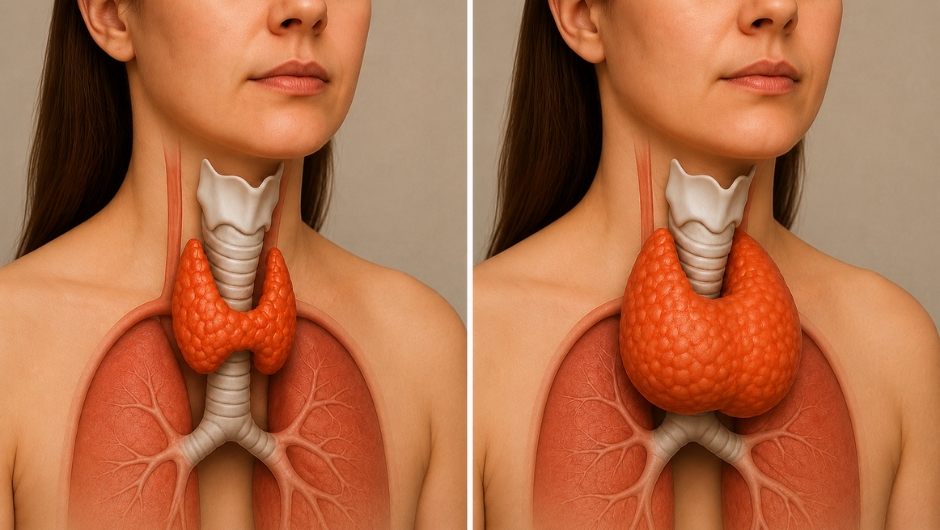
Your thyroid is a small, butterfly-shaped gland located at the base of your neck, but don’t let its size fool you. This powerful organ controls your metabolism, regulates your energy levels, and influences your mood. When your thyroid isn’t functioning optimally, you may experience fatigue, weight changes, brain fog, and mood swings. The good news? There are specific steps you can take to support your thyroid and help it thrive.
Understanding Your Thyroid’s Role
Your thyroid produces two main hormones: T3 (triiodothyronine) and T4 (thyroxine). These hormones regulate how your body uses energy, affects your heart rate, and influences nearly every organ system. For your thyroid to work properly, it needs a combination of nutrients, physical activity, stress management, and gut health.
Essential Nutrients for Thyroid Function
Protein and L-Tyrosine
Your body needs the amino acid L-tyrosine to produce T3 and T4 hormones. This building block is essential for proper thyroid function and nerve health.
- Top sources: Eggs, turkey, fish, legumes, chicken, dairy products, and pumpkin seeds.
- Pro tip: Try to include a tyrosine-rich food in at least two meals daily. Start your morning with eggs and consider fish or turkey for lunch or dinner.
Iodine and Trace Minerals
Iodine is the cornerstone of thyroid hormone production your thyroid uses it to build T3 and T4. But iodine doesn’t work alone; selenium, zinc, and magnesium are equally crucial as they help activate thyroid hormones and protect thyroid tissue from damage.
- Iodine sources: Seaweed, iodized salt, fish, shellfish, and eggs.
- Selenium sources: Brazil nuts (just 2-3 per day!), tuna, sardines, and mushrooms.
- Zinc sources: Oysters, beef, pumpkin seeds, and lentils.
- Magnesium sources: Spinach, Swiss chard, almonds, and black beans.
Vitamin D: The Immune Modulator
Many people overlook vitamin D’s role in thyroid health, but research shows it improves hormone sensitivity and can lower antibodies in autoimmune thyroid conditions like Hashimoto’s.
Best approach: Get regular sunlight exposure (15-20 minutes daily) and consider quality D3 supplementation based on your 25(OH)D blood test results. Work with your healthcare provider to determine the right dosage for your specific needs.
Antioxidants: Vitamins C and A
Your thyroid faces constant oxidative stress from producing hormones. Vitamins C and A serve as protective shields, with vitamin C protecting thyroid tissue and vitamin A supporting TSH (thyroid-stimulating hormone) production.
- Vitamin C sources: Citrus fruits, bell peppers, strawberries, and kiwi.
- Vitamin A sources: Carrots, sweet potatoes, spinach, and winter squash.
- Make it colorful: Aim for a rainbow on your plate—each color represents different protective compounds for your thyroid.
Iron, B9, and B12
Here’s a critical piece many people miss: your body needs adequate iron to produce thyroid hormones effectively. Research shows that low ferritin levels (below 50 ng/mL) can slow thyroid hormone production. B9 (folate) and B12 are equally important for energy metabolism and cellular function.
- Iron sources: Red meat, organ meats, spinach, and legumes.
- B9 sources: Dark leafy greens, asparagus, and fortified grains.
- B12 sources: Meat, fish, eggs, and dairy products (or supplements for plant-based diets).
Important: Have your healthcare provider check your ferritin and homocysteine levels to ensure these nutrients are adequate.
Beyond Nutrition: Lifestyle Factors That Matter
Stress Management: The Cortisol Connection
Chronic stress triggers high cortisol levels, which can block the conversion of T4 to the more active T3 hormone. This means you could have enough T4, but your body can’t use it effectively.
Effective stress reduction techniques:
- 4-7-8 breathing: Inhale for 4 counts, hold for 7 counts, exhale for 8 counts
- Gentle yoga or stretching
- Daily walks in nature
- 7-8 hours of quality sleep
Gut Health: The Absorption Gateway
Your gut microbiome plays a crucial role in absorbing essential minerals like iodine and selenium. An imbalanced gut can lead to nutrient deficiencies even when you’re eating the right foods.
Gut-supporting habits:
- Include probiotic-rich foods like yogurt, kefir, sauerkraut, and kimchi
- Eat plenty of fiber from vegetables, fruits, and whole grains
- Consider a quality probiotic supplement
- Stay hydrated to support digestion
Environmental Toxins: Hidden Thyroid Disruptors
Heavy metals, fluoride, and BPA are known endocrine disruptors that can interfere with thyroid function. These substances are often present in our daily environment, sometimes without our knowledge.
Simple swaps for protection:
- Install a water filter that removes fluoride and heavy metals
- Switch to glass containers instead of plastic for food storage
- Choose clean, non-toxic beauty and household products
- Be mindful of personal care products containing parabens or phthalates
Putting It All Together: Balance Is Everything
Supporting your thyroid isn’t about implementing one miracle solution—it’s about creating harmony between nutrition, lifestyle, and stress management. Your thyroid thrives on balance, and so does your entire body.
Start with these actionable steps:
- Morning routine: Begin your day with a protein-rich breakfast and get 10-15 minutes of morning sunlight.
- Throughout the day: Stay hydrated, snack on nuts or seeds (especially Brazil nuts for selenium), and take short movement breaks.
- Evening wind-down: Practice a stress-reduction technique and aim for consistent sleep times.
- Weekly habits: Prep colorful vegetables, include fermented foods in several meals, and schedule time for gentle movement.
Remember that thyroid health is highly individual. What works for one person may not work for another, and it’s essential to work with your healthcare provider to monitor your thyroid function and adjust your approach based on your specific needs and blood work.