
Chronic Constipation: Common Mistakes That Keep You Backed Up
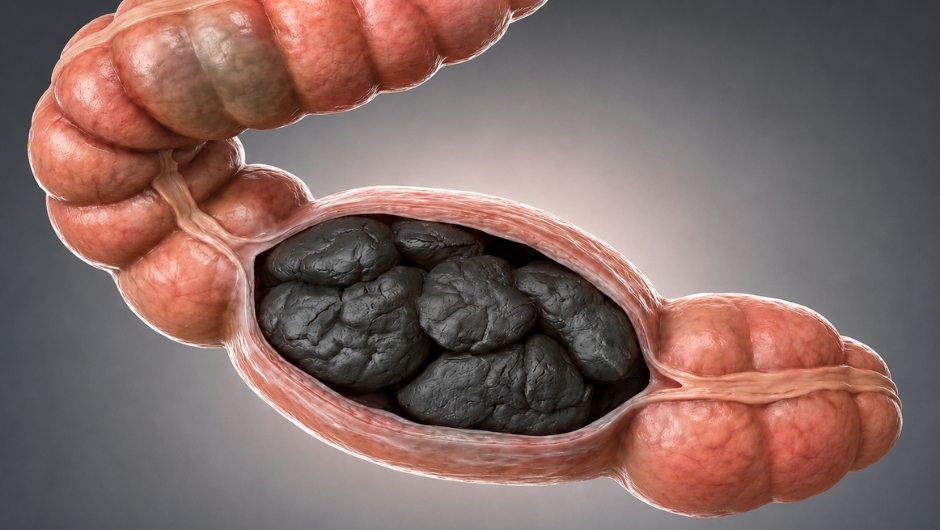
Constipation is one of the most common digestive complaints worldwide. Many people assume that drinking more water, eating more fiber, or taking a laxative will permanently solve the problem. While these remedies may provide temporary relief for some people, they don’t always address the underlying causes of chronic constipation.
If you’ve been struggling with constipation for months or even years, it may be time to look beyond simple home remedies. Your gut lining, gut bacteria, nervous system, hormones, eating habits, medications, physical activity, and several medical conditions influence your digestive system. Understanding these factors can help you find more effective, long-term solutions.
What Is Chronic Constipation?
Constipation is generally defined as having fewer than three bowel movements per week, passing hard or dry stools, straining during bowel movements, or feeling that the bowels have not emptied completely. When these symptoms continue for several weeks or longer, it is considered chronic constipation.
Many people focus only on the symptom of difficulty passing stool without asking why their digestive system has slowed down. In reality, constipation is often the result of multiple factors working together rather than a single cause.
The Gut Lining: Your Digestive System’s Protective Barrier
Your intestines are lined with a protective layer of cells covered by mucus. This lining acts as a barrier between your body and the contents inside your digestive tract while also helping food and waste move smoothly through the intestines.
When the gut lining becomes irritated due to infections, inflammation, certain medications, poor dietary habits, or other digestive disorders, its normal function may be affected. Although reduced mucus alone is not considered a primary cause of constipation, an unhealthy intestinal environment can contribute to digestive discomfort and altered bowel habits.
Supporting the gut lining through a balanced diet rich in fruits, vegetables, whole grains, healthy fats, and adequate protein may help maintain normal digestive function. Managing underlying medical conditions is equally important for long-term gut health.
Your Gut Microbiome Influences Digestion
Inside your intestines live trillions of microorganisms collectively known as the gut microbiome. These beneficial bacteria play important roles in digestion, immune function, vitamin production, and the fermentation of dietary fiber.
Research suggests that the gut microbiome also influences how the intestines move food and waste through the digestive tract. When the balance of beneficial bacteria is disrupted, such as after repeated antibiotic use, a low-fiber diet, illness, or prolonged stress, some people may experience bloating, irregular bowel movements, or constipation.
Rather than relying solely on probiotic supplements, experts generally recommend nourishing your existing gut bacteria with a variety of plant-based foods, whole grains, legumes, nuts, seeds, fruits, and vegetables. These foods provide prebiotic fibers that support a diverse and healthy microbiome.
The Gut-Brain Connection: Why Stress Can Slow Your Bowels
The digestive system and the brain constantly communicate through a network known as the gut-brain axis. This communication explains why emotional stress often affects digestion.
During periods of chronic stress, the body releases hormones such as cortisol and adrenaline. These hormones prepare the body for “fight or flight” by shifting resources away from digestion. As a result, intestinal muscle contractions may slow down, making bowel movements less frequent in some individuals.
Many people notice that constipation becomes worse during exams, work deadlines, financial stress, or emotionally challenging periods. Learning to manage stress through regular exercise, meditation, deep breathing, sufficient sleep, and relaxation techniques can positively influence digestive health.
Could Low Stomach Acid Affect Digestion?
Stomach acid is essential for breaking down proteins, absorbing certain nutrients, and protecting the body against harmful microorganisms.
Although low stomach acid is not considered a common direct cause of constipation, poor digestion in the stomach may contribute to bloating, fullness, indigestion, and discomfort after meals. These digestive problems can indirectly affect how efficiently food moves through the rest of the digestive tract.
Simple habits such as chewing food thoroughly, eating slowly, avoiding overeating, and limiting distractions during meals may improve digestion. Anyone who suspects a digestive disorder should consult a healthcare professional for proper evaluation rather than attempting self-treatment.
Why Water and Fiber Don’t Always Solve the Problem
Water and fiber are essential components of healthy digestion, but they are not magic solutions for everyone.
Fiber works best when combined with adequate hydration and normal intestinal movement. If constipation is caused by slow gut motility, certain medications, neurological disorders, pelvic floor dysfunction, or underlying medical conditions, simply adding more fiber may not completely resolve the problem. In some cases, excessive fiber without proper guidance may even increase bloating or discomfort.
This is why identifying the root cause of constipation is often more important than continually increasing fiber intake.
Lifestyle Habits That Support Healthy Bowel Function
Long-term improvement in constipation usually requires consistent lifestyle changes rather than quick fixes.
Eating a diet rich in whole plant foods provides both fiber and nutrients that support gut health. Drinking enough fluids throughout the day helps soften stool. Regular physical activity stimulates intestinal movement, while maintaining a consistent bathroom routine trains the body to empty the bowels more efficiently.
Equally important are stress management and good sleep. Poor sleep and chronic stress can affect hormone balance, digestive function, and bowel regularity. Eating meals slowly, chewing thoroughly, and avoiding rushing through meals can also improve digestion.
When Constipation Could Be a Sign of Something More Serious
Although constipation is common, persistent symptoms should never be ignored. Chronic constipation may sometimes be associated with medical conditions such as hypothyroidism, diabetes, irritable bowel syndrome (IBS), inflammatory bowel disease (IBD), neurological disorders, pelvic floor dysfunction, or side effects from certain medications.
You should seek medical advice if constipation lasts for several weeks despite lifestyle changes, is accompanied by severe abdominal pain, blood in the stool, unexplained weight loss, persistent vomiting, or a sudden change in bowel habits.
Early evaluation can help identify underlying conditions before they become more serious.
What You Should Remember
Constipation is rarely caused by just one factor. While drinking more water and increasing fiber intake are important first steps, long-lasting constipation often involves a combination of digestive health, gut bacteria, stress, physical activity, diet, medications, and underlying medical conditions.
Instead of searching for another quick remedy, focus on understanding the root cause of your symptoms. Supporting your gut through healthy eating, regular exercise, stress management, adequate hydration, and professional medical guidance when needed offers the best chance for lasting digestive health.