
How to Naturally Regulate Your Brain’s Core Signaling Systems
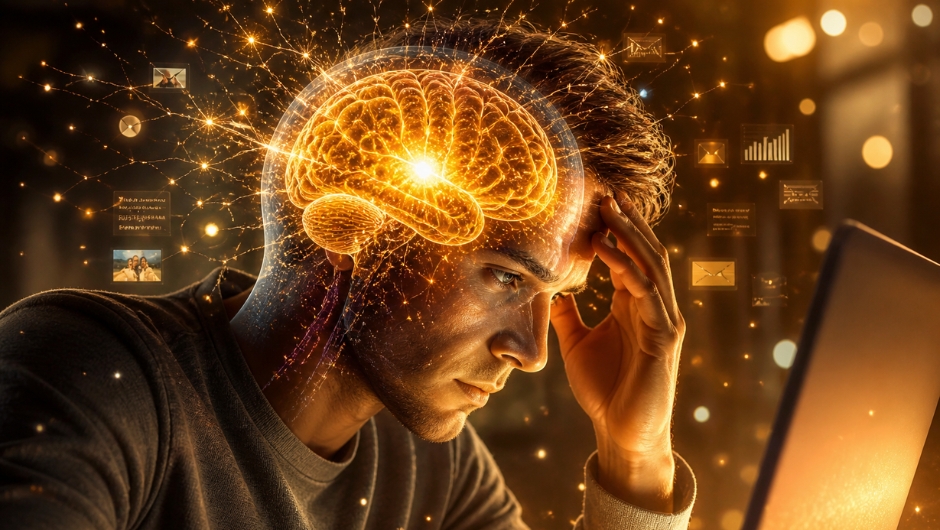
Your brain runs on a delicate chemistry of neurotransmitters. Each one shapes your motivation, mood, focus, and calm. Modern life especially endless screen time can throw these systems off balance. Screens deliver unnatural spikes of dopamine (making real life feel dull), disrupt serotonin via blue light at night, and reduce oxytocin by replacing real connection with likes.
The good news: you can restore balance using simple, free, screen‑free actions. Below is a neuroscientifically grounded guide to supporting seven key signaling systems without an app, a notification, or a single pixel.
1. Dopamine – Motivation, Anticipation & Reward
What it does: Dopamine is not about pleasure; it’s about wanting and progress. It drives goal‑directed behavior and is released when you take a step toward a reward. Screens (social media, games) provide unpredictable, high‑frequency rewards that can desensitize your dopamine receptors.
How natural activities help: Small, predictable accomplishments trigger a healthy, sustainable dopamine release. This reinforces the “effort → reward” loop without addiction.
Screen‑free actions for natural dopamine:
- Make your bed – Completing the first task of the day gives an early dopamine “win.”
- Write one realistic goal for today – Clarifying intention activates your prefrontal cortex and dopamine pathways.
- Go for a short walk – Forward movement and novelty (changing scenery) gently raise dopamine.
- Clean one small space – Order reduces cognitive load; finishing the task releases dopamine.
- Finish one small task you’ve been avoiding – Overcoming avoidance triggers a larger dopamine release.
- Step outside for fresh air – Oxygen and mild sensory shift stimulate alertness.
- Cross something off your to‑do list – The visual action of crossing off is a strong dopamine signal.
Neuroscience note: Anticipation matters as much as completion. Writing down a goal before you start it almost doubles the dopamine effect.
2. Serotonin – Mood, Wellbeing & Impulse Control
What it does: Serotonin stabilises mood, regulates sleep, and inhibits impulsive behaviour. Low serotonin is linked to depression, anxiety, and irritability. About 90% of your body’s serotonin is made in the gut, but brain serotonin depends heavily on sunlight and circadian rhythms.
How natural activities help: Sunlight (especially morning light) triggers the conversion of tryptophan to serotonin in the brain. Time in green or blue spaces lowers cortisol, allowing serotonin to function better.
Screen‑free actions for natural serotonin:
- Sit in the sun for 5–15 minutes – UVB light on skin and bright light through eyes boost serotonin synthesis.
- Take a walk outside – Combining light, movement, and varied scenery increases serotonin activity.
- Watch the sunrise – Morning light resets your circadian clock, which regulates serotonin transporters.
- Spend time in a park – Phytoncides (scents from trees) and green colour reduce stress and improve serotonin function.
- Look up at the sky – Expansive views reduce rumination, allowing serotonin to work more effectively.
- Sit near water – The sight and sound of moving water shift brain waves toward a calm‑alert state.
- Listen to birds – Natural, unpredictable, non‑threatening sounds lower stress hormones.
- Watch the clouds – Passive, non‑goal‑oriented attention allows serotonin to balance arousal.
- Take deep breaths outside – Slow, deep breathing via the vagus nerve influences serotonin pathways.
Neuroscience note: Even 10 minutes of sunlight before 10 a.m. measurably increases serotonin production for the rest of the day.
3. Oxytocin – Bonding, Trust & Safety
What it does: Often called the “love hormone,” oxytocin reduces fear and anxiety while promoting social bonding. It is released during skin‑to‑skin contact, eye contact, and prosocial behaviour. Screens, especially passive scrolling, do not stimulate oxytocin; they may even reduce it by replacing real interaction.
How natural activities help: Any act of warmth, presence, or touch triggers oxytocin release. Importantly, you don’t need a close relationship – brief, safe interactions work.
Screen‑free actions for natural oxytocin:
- Call a friend – Voice‑to‑voice, especially if you laugh together, raises oxytocin.
- Pet an animal – The tactile sensation and rhythmic stroking lower cortisol and raise oxytocin in both human and animal.
- Show gratitude – Writing or saying “thank you” activates brain regions rich in oxytocin receptors.
- Smile at a stranger – A genuine, mutual smile triggers a micro‑burst of oxytocin.
- Write a kind note – Anticipating someone’s positive reaction releases oxytocin beforehand.
- Give a compliment – Giving (not just receiving) a sincere compliment activates reward and bonding circuits.
- Tell someone you appreciate them – Explicit verbal appreciation is one of the strongest oxytocin triggers.
- Live in the present – Mindfulness and eye contact (not phone‑glancing) are essential for oxytocin release.
Neuroscience note: Oxytocin and dopamine work together – a small act of kindness releases dopamine and oxytocin, creating a prosocial reward loop.
4. Endorphins – Natural Pain Relief & Euphoria
What they do: Endorphins are opioid‑like peptides produced by the central nervous system. They inhibit pain signals and produce feelings of euphoria (the “runner’s high”). Unlike dopamine, endorphins are released primarily during sustained or intense physical effort – not from passive activities.
How natural activities help: Any moderate to vigorous movement that raises heart rate and causes slight muscle fatigue triggers endorphin release. Importantly, screens cannot simulate this effect.
Screen‑free actions for natural endorphins:
- Take the stairs – Brief, intense exertion (even 2 floors) releases a small endorphin pulse.
- Go for a jog – After 15–20 minutes, endorphin levels rise significantly.
- Do 10 push‑ups – High‑intensity, short‑duration effort activates endorphin release.
- Dance for a few minutes – Rhythmic, expressive movement at moderate intensity works well.
- Do jumping jacks – A 30‑second set is enough to feel an immediate mood lift.
- Stretch your body – Prolonged static stretching (yoga‑style) also releases endorphins.
- Ride a bike – Continuous pedalling at a brisk pace is a classic endorphin trigger.
- Take a brisk walk – Fast enough that you cannot comfortably sing.
- Play a sport – Intermittent high‑effort bursts (sprinting, swinging, throwing) are excellent.
Neuroscience note: Endorphins are the body’s natural backup for pain and stress. Regular endorphin‑releasing exercise raises your baseline pain tolerance and mood.
5. Acetylcholine – Focus, Learning & Memory Encoding
What it does: Acetylcholine is the primary neurotransmitter for attention, learning, and forming new memories. It is released during novelty, mental effort, and wakeful concentration. Screens tend to fragment attention (switching between apps), which reduces acetylcholine effectiveness.
How natural activities help: Any task that requires sustained, focused mental effort – especially if it is slightly novel or challenging – increases acetylcholine release. Low‑tech puzzles and reading are ideal.
Screen‑free actions for natural acetylcholine:
- Read a few pages of a physical book – Sustained linear attention, especially with complex text, boosts acetylcholine.
- Do a crossword puzzle – Retrieving words from long‑term memory requires cholinergic activation.
- Memorize a short quote – Active encoding (intentionally storing information) directly uses acetylcholine.
- Try a brain teaser – Novel logic problems force your brain to form new synaptic connections.
- Practice handwriting – Handwriting activates more motor and sensory feedback loops than typing.
- Solve a small puzzle – Jigsaw, Sudoku, or logic grid – the spatial/analytical work stimulates acetylcholine.
- Learn something new – One fact, one word, one skill. Novelty is the strongest natural acetylcholine trigger.
Neuroscience note: Acetylcholine is destroyed by the enzyme acetylcholinesterase. Mental effort temporarily inhibits this enzyme, allowing more acetylcholine to accumulate in the synapse.
6. GABA (Gamma‑Aminobutyric Acid) – Calm & Relaxation
What it does: GABA is the brain’s primary inhibitory neurotransmitter. It slows down overactive neural firing, reduces anxiety, promotes sleep, and prevents seizures. A GABA deficit is linked to chronic stress, insomnia, and panic disorders.
How natural activities help: Slow, rhythmic, or repetitive sensory input – especially from breathing, warmth, and nature – increases GABA production in the thalamus and prefrontal cortex.
Screen‑free actions for natural GABA:
- Breathe slowly – Extended exhales (e.g., 4 seconds in, 6 seconds out) increase GABA levels.
- Practice yoga – Combined slow movement, breath, and body awareness raises GABA by over 25% in one session (studies show).
- Meditate – Focused attention meditation, even 10 minutes, increases GABA in the anterior cingulate cortex.
- Take a warm bath – Warm water stimulates vagal nerve activity, which promotes GABA release.
- Spend quiet time in nature – Reduced sensory load (no alerts, no crowds) allows GABA to dominate.
- Listen to calming music – Slow tempo (60–80 bpm), instrumental music lowers cortical arousal via GABA.
Neuroscience note: Benzodiazepines (anti‑anxiety drugs) work by enhancing GABA activity. Natural GABA boosters are not as strong but have no side effects and build resilience over time.