
Your Gut Is Talking to Your Brain – Are You Listening?
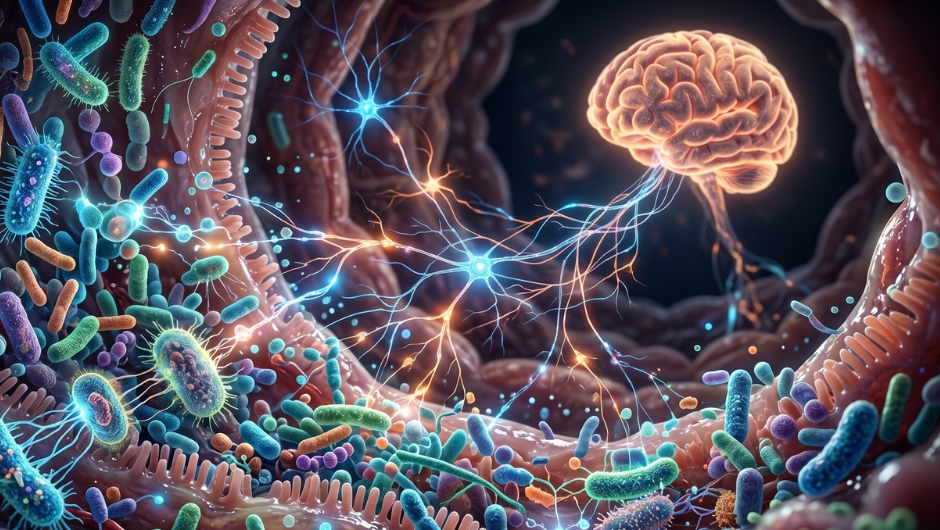
Most people think the brain controls everything but your gut plays an equally powerful role. Inside your digestive system live trillions of microbes that constantly communicate with your brain. These tiny organisms influence how you feel, think, and function every day. Your mood, memory, energy levels, and even your perception of pain are deeply connected to the health of your gut.
Food Is Not Just Fuel, It Is Information
We often look at food only in terms of calories, but that’s a very limited view. The average person consumes around 3–5 pounds of food daily, adding up to nearly 2,000 pounds in a year. Every bite carries signals that interact with your body at a cellular level.
Food directly affects gene expression, meaning it can turn certain genes on or off. It influences hormones, metabolism, inflammation, and brain chemistry. In simple terms, food is constantly instructing your body on how to function either supporting health or contributing to imbalance.
The Role of Gut Microbiota in Mental Health
Scientific research has clearly shown that gut bacteria play a major role in regulating mental health. Studies on animals without gut bacteria and those exposed to probiotics or antibiotics reveal strong changes in anxiety, mood, cognition, and pain perception.
But this is not limited to research labs. You experience this connection daily. When your gut is healthy, you feel more energetic, focused, and emotionally stable. When it is imbalanced, you may notice fatigue, irritability, low mood, or brain fog.
Understanding the Gut-Brain Axis
The gut and brain are connected through a complex system known as the gut-brain axis. This network allows constant communication between your digestive system and your brain.
It involves multiple pathways, including nerve signals through the vagus nerve, immune system responses, and chemical messengers. One key factor is tryptophan metabolism, which affects the production of serotonin the neurotransmitter responsible for happiness and emotional balance.
Gut microbes also produce important compounds like GABA and BDNF, which help regulate stress, mood, and brain function. This explains why stress, diet, and even medications like antibiotics can affect both your gut and your mental health.
How Poor Food Choices Affect Your Brain
Modern diets high in ultra-processed foods and sugar can disrupt this delicate system. Blood sugar spikes caused by refined carbohydrates lead to quick energy followed by sudden crashes. This cycle often results in anxiety, cravings, irritability, and poor concentration.
An unhealthy diet can also cause gut dysbiosis, a condition where harmful bacteria outnumber beneficial ones. This imbalance increases inflammation in the body and brain, leading to fatigue, low mood, and reduced mental clarity.
The Hidden Impact of Nutrient Deficiencies
Many people unknowingly suffer from nutrient deficiencies that directly affect brain and body function. Vitamin D, magnesium, and omega-3 fatty acids are commonly lacking in modern diets.
Vitamin D plays a key role in mood regulation and immune function. Magnesium helps manage stress and supports nervous system health. Omega-3 fatty acids are essential for brain structure and cognitive performance. When these nutrients are deficient, it can lead to low energy, poor focus, and decreased resilience to stress.
Supporting the Gut-Brain Connection Through Diet
Improving gut health does not require extreme changes, but consistent, mindful choices. Foods rich in prebiotics help nourish beneficial bacteria. These include garlic, onions, leeks, beets, and berries.
Probiotic foods introduce good bacteria into your gut. Yogurt, kefir, kimchi, sauerkraut, and other fermented foods can help restore microbial balance.
At the same time, reducing intake of ultra-processed foods, excess sugar, and artificial ingredients is essential to protect gut health and maintain stable brain function.
The Importance of Mindful Eating
How you eat is just as important as what you eat. Eating in a stressed or distracted state can negatively impact digestion and nutrient absorption. Taking a few moments to relax, breathe deeply, and focus on your meal can significantly improve how your body processes food.
Mindful eating supports better digestion, enhances gut function, and strengthens the gut-brain connection.
Learning to Observe Your Body
Your body constantly provides signals about how food affects you. Paying attention to these signals can help you make better choices. Notice how different foods impact your energy, mood, and digestion.
Over time, this awareness allows you to understand what works best for your body and avoid patterns that lead to discomfort or imbalance.