
What Alcohol Really Does to Your Gut
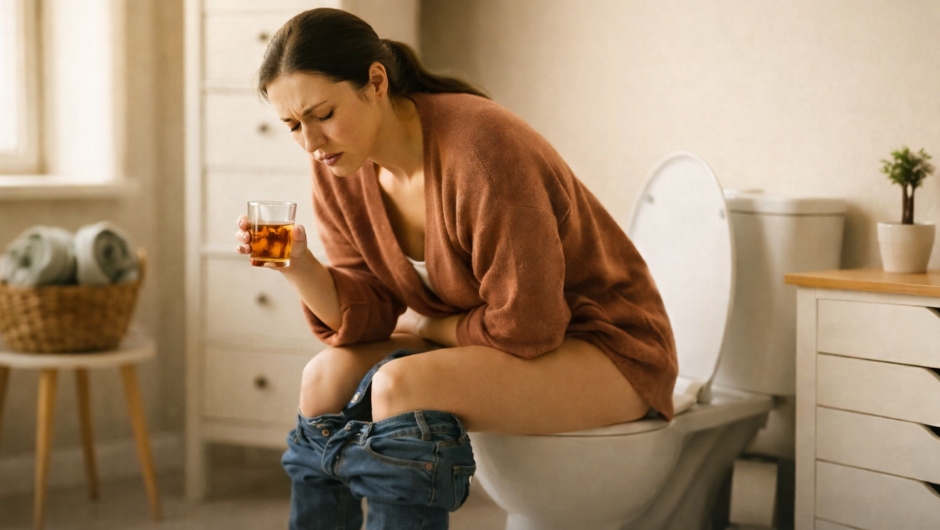
Most people associate alcohol with liver damage and hangovers, but very few realize that the gut is one of the first organs affected by alcohol. When someone wakes up after drinking with bloating, stomach cramps, loose stools, or urgent bowel movements, it is often a direct reaction from the digestive system.
Hangover diarrhea is not simply the result of dehydration. In many cases, it is a sign that the gut lining, digestive processes, and microbial balance have been disturbed. Understanding how alcohol affects the gut can help explain why these symptoms occur.
Alcohol Irritates the Intestinal Lining
The digestive tract is lined with a protective barrier made of tightly packed cells and mucus. This barrier controls what enters the bloodstream and prevents harmful substances from passing through.
Alcohol is a chemical irritant. After consumption, it can weaken this protective lining and increase intestinal permeability. When the barrier becomes more permeable, substances that normally stay inside the gut, such as toxins, bacteria, and partially digested food, can pass through more easily.
This can trigger the body’s immune response, leading to inflammation that may cause symptoms like abdominal discomfort, fatigue, and digestive upset the following day.
Disruption of the Gut Microbiome
The human digestive system contains trillions of microorganisms known collectively as the gut microbiome. These microbes assist in digestion, produce vitamins, regulate immunity, and help maintain intestinal health.
Alcohol consumption can disturb this delicate microbial ecosystem. Regular or heavy drinking has been shown to reduce populations of beneficial bacteria while allowing certain harmful microbes to multiply. This imbalance, often called gut dysbiosis, may contribute to gas formation, irregular bowel movements, and intestinal inflammation.
When microbial diversity decreases, the gut becomes less resilient and more sensitive to dietary stress, which may explain why digestion feels unstable after drinking.
Effects on Digestion and Nutrient Breakdown
Alcohol can also interfere with normal digestive processes. It affects the release of digestive enzymes and may slow the breakdown of certain nutrients, particularly fats.
When digestion is incomplete, food remains longer in the intestines, where it can ferment. This fermentation produces gas and other by-products that contribute to bloating, discomfort, and irregular stools.
Additionally, alcohol stimulates intestinal motility in some individuals, meaning the contents of the intestines move more quickly than usual. When transit time becomes too fast, the body has less time to absorb water from the stool, which can lead to diarrhea.
Why Symptoms Can Last Beyond the Hangover
The digestive system has its own internal rhythm that regulates enzyme secretion, gut movement, and microbial activity. Alcohol can disrupt this balance for many hours after drinking.
Because the gut lining and microbiome require time to recover, symptoms such as bloating, fatigue, or digestive discomfort may persist even after the alcohol has left the bloodstream.
Repeated exposure to alcohol may prolong this recovery period and contribute to chronic digestive disturbances over time.
Supporting Gut Recovery
Occasional alcohol consumption does not necessarily cause permanent harm for most healthy individuals, but the digestive system benefits from supportive habits afterwards. Rehydration, fibre-rich foods, and a diet rich in plant compounds can help restore digestive balance and support beneficial gut bacteria.
Giving the gut time to recover between drinking episodes is also important, as the intestinal lining and microbiome require time to rebuild.