
Ayurveda Says PCOS Is Reversible, But Only If You Follow These Rules
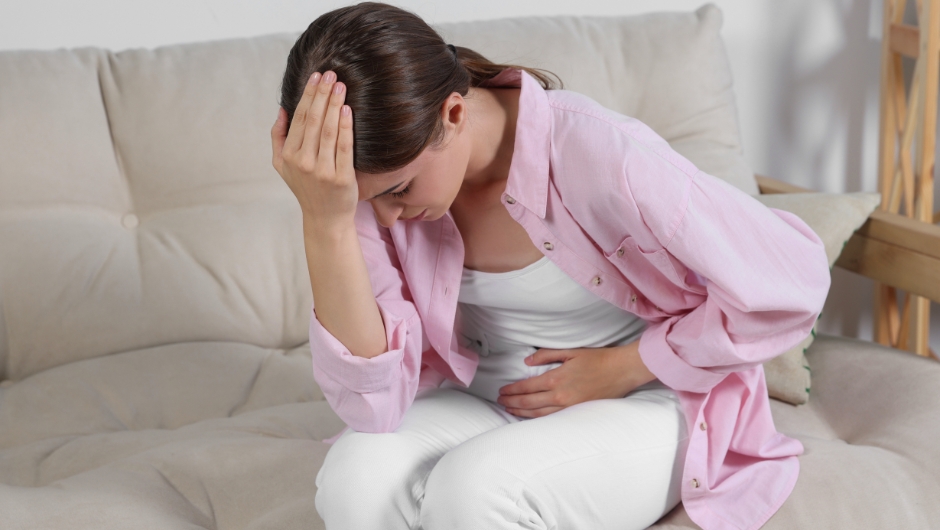
Polycystic Ovary Syndrome (PCOS) is commonly seen as a lifelong hormonal disorder. Modern medicine often focuses on symptom control, but Ayurveda looks deeper. According to Ayurveda, PCOS is not a disease of the ovaries alone. It is a systemic imbalance involving digestion, metabolism, hormones, stress, and blocked body channels.
Ayurveda clearly states that PCOS is reversible, but only when the root cause is treated. Hormones do not fail on their own. They fail when digestion weakens, toxins accumulate, body channels get blocked, and the nervous system becomes disturbed. Let us understand the key Ayurvedic rules that help reverse PCOS naturally.
Unclog the Hormone Channels (Srotas Shuddhi)
In Ayurveda, hormones travel through subtle body channels called Srotas. If these channels are blocked, hormones cannot reach their target organs properly. This leads to irregular periods, cyst formation, acne, weight gain, and infertility.
The main cause of blocked channels in PCOS is Kapha buildup and sticky Ama (toxins).
Ayurvedic solutions to unclog channels:
- Taking 1 teaspoon of ghee on an empty stomach for 21 days helps melt excess Kapha and lubricate blocked channels. Ghee penetrates deep tissues and improves hormonal transport.
- Avoid leftover or reheated food, as Ayurveda considers it dead food. Such food creates sticky Ama that worsens PCOS symptoms.
- Ayurveda believes that channel cleansing is more important than taking hormone supplements. Once channels are clear, the body starts regulating hormones naturally.
Stabilise Apana Vayu – The Key to Regular Periods
Apana Vayu is a subtype of Vata dosha that controls menstruation, ovulation, elimination, and reproductive health. Most PCOS cases are linked to disturbed Apana Vayu. When Apana Vayu is imbalanced, periods become irregular, ovulation gets delayed, and cysts form.
How to stabilise Apana Vayu:
- Never sit with cold feet, as cold directly disturbs pelvic Vata and weakens reproductive organs.
- Applying warm sesame oil on the lower abdomen before bed nourishes tissues, improves blood flow, and calms Apana Vayu.
- When Apana Vayu becomes stable, menstrual cycles gradually become regular without forcing hormones.
Correct the Insulin–Agni Connection
Ayurveda explained insulin resistance thousands of years ago through the concept of Agni imbalance. Weak or irregular digestive fire leads to improper glucose metabolism, inflammation, and hormonal disturbance. Common Ayurvedic signs of insulin imbalance include afternoon energy crashes, constant hunger, sugar cravings, acne around the jawline, and stubborn belly fat.
Ayurvedic corrections:
- Eat your heaviest meal at lunchtime, when digestive fire is strongest. Avoid heavy dinners.
- Never combine fruit with milk, as this combination increases Kapha and slows ovulation.
- When Agni becomes balanced, insulin sensitivity improves, inflammation reduces, and ovulation quality improves naturally.
Repair the Brain–Ovary Axis (Hridaya–Artava Connection)
Ayurveda recognises a deep connection between the mind, heart, and reproductive system, known as the Hridaya–Artava connection. Chronic stress blocks communication between the brain and ovaries, leading to hormonal chaos. Modern lifestyles overstimulate the nervous system, keeping the body in stress mode, which directly worsens PCOS.
Ayurvedic practices to repair this connection:
- Practice 7 minutes of Brahmari Pranayama daily to calm the nervous system and reduce stress hormones.
- Do foot massage with warm oil before sleep. This deeply calms Vata and signals safety to the brain.
- Avoid screen exposure at least one hour before bed, as it disturbs Manovaha Srotas (mental channels).
- When the nervous system calms down, hormonal regulation improves automatically.
Eat According to Your Dosha – Not Generic Diet Rules
Ayurveda does not believe in one-size-fits-all diets. PCOS symptoms vary based on dominant dosha – Vata, Pitta, or Kapha. Eating according to body type is essential for reversal.
Vata-dominant PCOS:
Women with Vata PCOS often have irregular cycles, anxiety, dryness, and low body weight. Adding one warm cooked fruit daily helps nourish depleted reproductive tissues.
Pitta-dominant PCOS:
Pitta PCOS presents with acne, heavy bleeding, irritability, and inflammation. Avoid sour curd at night, as it worsens acne and heavy menstrual flow.
Kapha-dominant PCOS:
Kapha PCOS is associated with weight gain, cysts, delayed periods, and insulin resistance. A two-meal-a-day routine with a fasting window works best for Kapha bodies and helps reduce cyst formation. When food aligns with body type, hormonal balance improves naturally.