
You Can’t Fix Your Skin Until You Fix Your Gut
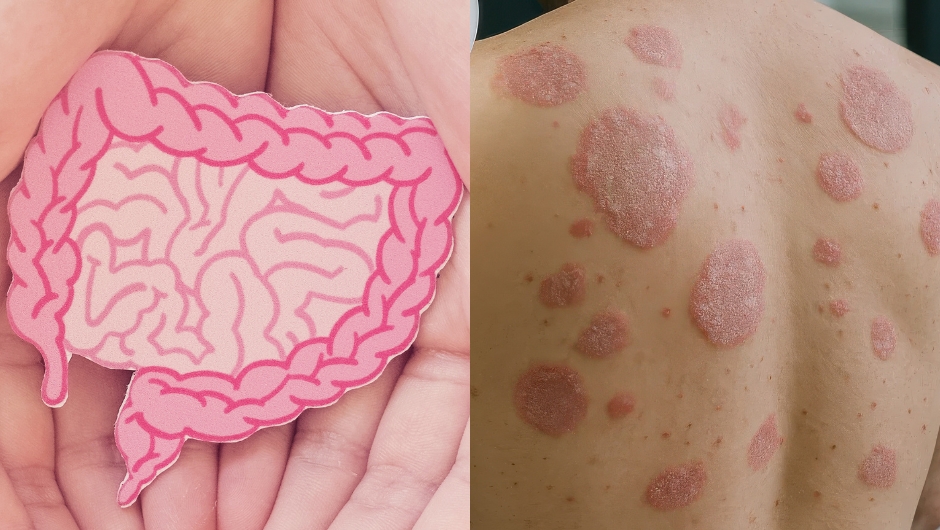
Most people think skin problems begin on the surface, but the skin is only reflecting what is happening inside the body. Your skin is closely connected to your digestive system. When the gut is inflamed, blocked, or weak, the skin becomes the place where the body pushes out toxins. This is why creams, ointments, and external treatments often fail to give lasting relief.
Skin Is a Mirror of Gut Health
Conditions like acne, eczema, psoriasis, rosacea, pigmentation, itching, and rashes are not random. In most cases, they are linked to hidden gut problems such as constipation, bloating, acidity, poor digestion, and bacterial imbalance. When digestion suffers, the skin almost always follows.
A Real Case: Gut Inflammation Showing as Skin Disease
Gurpreet was suffering from chronic IBS-C, meaning long-term constipation, along with acute psoriasis. At first glance, these looked like two different problems. But deeper analysis showed that both conditions had one common root cause—a severely inflamed gut. The skin was only expressing what the gut was experiencing internally.
How a Damaged Gut Triggers Skin Problems
The gut lining acts like a protective barrier. When it is healthy, it absorbs nutrients and blocks toxins. When it becomes inflamed, the lining weakens and turns “leaky.” Toxins then enter the bloodstream and reach the skin. The skin becomes the body’s exit route, leading to redness, itching, flares, and chronic skin conditions.
Why Creams Alone Don’t Work
Constipation causes toxins to remain inside the body for too long. Low stomach acid reduces nutrient absorption. Imbalanced gut bacteria increase inflammation. All of this internal stress shows up as psoriasis, acne, or eczema. No external cream can fix an internal problem unless digestion and gut health are corrected.
1. Identify Gut–Skin Triggers
Most chronic skin issues begin with gut dysbiosis, yeast or fungal overgrowth, leaky gut, low stomach acid, slow digestion, and frequent constipation. Inflammatory foods such as gluten, sugar, refined oils, and dairy worsen the situation. These triggers were clearly present in Gurpreet’s case.
2. Calm the Internal Inflammation
Healing cannot begin until inflammation reduces. Removing sugar, gluten, refined oils, and alcohol helps calm the gut. Adding turmeric, ginger, and black pepper reduces internal heat. Omega-3 fats help deep tissue healing. Anti-inflammatory meals, low-histamine foods, and soothing broths like broccoli or mushroom broth help protect the gut lining.
3. Remove Harmful Gut Overgrowth
Overgrowth of bad bacteria, yeast, or parasites can trigger skin flare-ups, itching, redness, and hair fall. In Gurpreet’s case, this overgrowth was worsening both constipation and psoriasis. Targeted herbal antimicrobials and natural binders helped reduce this toxic load from the gut.
4. Rebuild Healthy Gut Bacteria
Removing harmful microbes is not enough. The gut must be nourished with foods that support good bacteria. Cooked apples, carrots, citrus peel, berries, chicory root, dandelion, Jerusalem artichoke, okra, slippery elm, marshmallow root, flaxseed, and sesame seeds help soothe the gut, improve bowel movement, and enhance skin health from within.
5. Use Skin-Specific Probiotics
Not all probiotics benefit the skin. Certain strains play a key role in skin healing. Lactobacillus rhamnosus GG helps repair the skin barrier and supports eczema and acne. Bifidobacterium longum reduces inflammation and supports rosacea-prone skin. Lactobacillus plantarum heals the gut lining and reduces food sensitivities.
6. Repair the Gut Lining
Once inflammation is under control, gut repair can begin. Nutrients like L-glutamine feed gut cells, zinc carnosine strengthens gut junctions, collagen peptides seal micro-tears, and herbs such as slippery elm and marshmallow root coat and soothe the lining. As the gut lining heals, the skin becomes calmer and less reactive.
7. Improve Digestion and Absorption
Healthy skin requires proper digestion. If nutrients are not absorbed, the skin cannot repair itself. Supporting stomach acid, using digestive enzymes, and taking apple cider vinegar or herbal bitters before meals can significantly improve digestion. In Gurpreet’s case, better digestion brought noticeable improvement in constipation and psoriasis flare-ups.