
Hangover Diarrhea: Is Your Gut Screaming for Help?
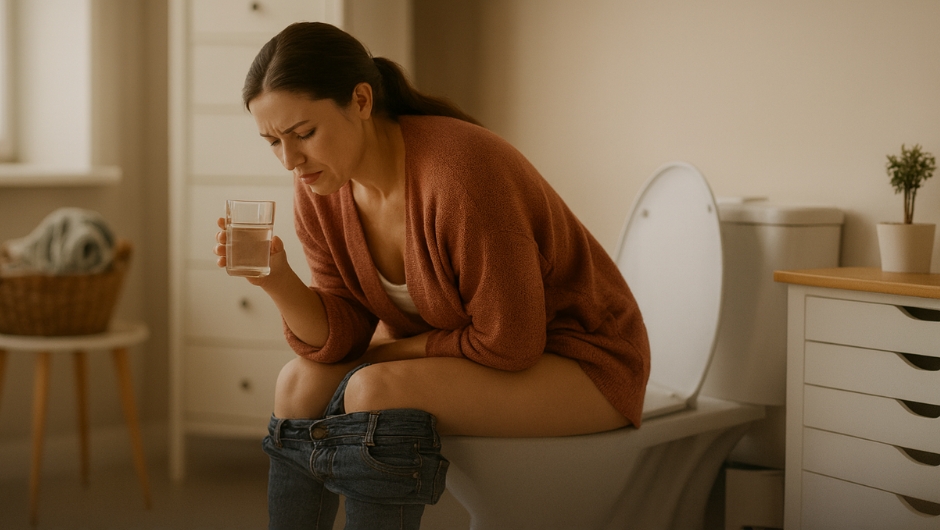
Hangover diarrhea is not just a result of dehydration or poor sleep. It is a clear signal that your gut is under stress. Alcohol directly affects your digestive system, and the symptoms you feel the next morning are your body’s way of defending itself.
Alcohol Is a Powerful Gut Disruptor
Alcohol is commonly known as a liver toxin, but its impact on the gut is just as serious. Within minutes of drinking, alcohol begins to irritate and damage the intestinal lining. This disruption affects digestion, immunity, and inflammation throughout the body.
Alcohol Increases Gut Permeability (Leaky Gut)
The lining of your intestines works like a protective barrier. Alcohol weakens this barrier, making the gut “leaky.” When this happens, bacteria, toxins, and undigested food particles can pass into the bloodstream. This triggers inflammation, leading to bloating, brain fog, fatigue, and skin reactions after drinking.
Damage to the Gut’s Protective Mucus Layer
Ethanol, the active compound in alcohol, dissolves the mucus layer that protects the gut wall. Without this layer, the gut becomes raw and sensitive. This is why many people experience burning sensations, cramping, and an urgent need to use the toilet the morning after drinking.
Alcohol Disrupts the Gut Microbiome
Your gut contains trillions of beneficial bacteria that support digestion, immunity, and mood. Alcohol reduces helpful bacteria like Lactobacillus and Bifidobacteria while allowing harmful microbes such as Candida and Clostridium to grow. This imbalance causes gas, bloating, inflammation, and irregular stools that may last for days.
Reduced Microbial Diversity in Drinkers
Research shows that even moderate alcohol consumption reduces gut microbial diversity. A diverse microbiome is essential for metabolic health, emotional balance, and a strong immune system. Every episode of heavy drinking pushes the gut further away from balance.
Alcohol Slows Digestive Enzyme Release
Alcohol interferes with the release of digestive enzymes, especially those needed to break down fats. As a result, greasy or heavy foods are poorly digested and begin to ferment in the gut. This fermentation produces gas, toxins, and discomfort, making post-drinking meals harder to tolerate.
Sugary Alcohol Pulls Water Into the Intestines
Cocktails and sweet mixers contain high amounts of sugar. Sugar draws water into the intestines through osmosis, increasing stool liquidity and speeding up bowel movements. This is a major reason for next-day diarrhea. The gut is reacting defensively, not detoxifying.
Disrupted Bile Flow Worsens Loose Stools
Alcohol alters normal bile release. Instead of being released steadily to digest fats, bile may be dumped irregularly into the intestines. This irritates the gut lining and further contributes to loose stools, burning sensations, and urgency.
Alcohol Disturbs the Gut’s Circadian Rhythm
Your gut follows a natural sleep–wake cycle just like your brain. Alcohol disrupts this rhythm for up to 48 hours. This is why digestion often feels abnormal for several days after drinking, with alternating constipation, diarrhea, or bloating.
Long-Term Drinking Leads to Chronic Gut Imbalance
Regular alcohol intake can lead to long-term dysbiosis, a condition where harmful microbes dominate the gut. Dysbiosis has been linked to IBS, leaky gut, depression, anxiety, and fatty liver disease. Even one or two drinks can temporarily increase gut permeability, especially in people with existing gut issues.
Understanding the Solution, Not Just Avoidance
The goal is not necessarily to quit alcohol forever, but to understand its effects. Occasional drinking is manageable when the gut is given proper recovery time and nutritional support afterward.
How to Support Your Gut After Drinking
Electrolyte-rich water helps replace lost fluids and minerals. Soluble fiber from foods like chia seeds, oats, and psyllium supports stool balance and feeds beneficial bacteria. Polyphenol-rich foods such as berries, leafy greens, and olive oil help reduce inflammation. Fermented foods like kefir, curd, and sauerkraut help restore healthy gut bacteria lost due to alcohol.