
You Can Poop Every Day and Still Be Constipated
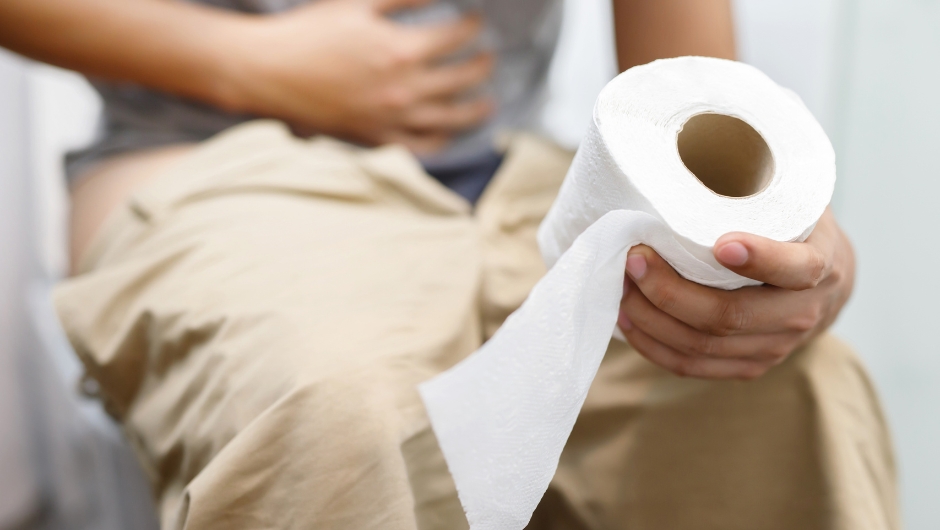
Most people believe that having a daily bowel movement means their digestion is healthy. In reality, this is not always true. Your colon is more than five feet long, and a daily poop may only empty the very end of it. Stool can remain stuck higher up in the colon for years while you continue to go every day. This is known as hidden constipation, and it is far more common than most people realize.
How Hidden Constipation Develops
The colon fills from right to left. Stool often gets trapped in the curves of the colon, especially near the splenic flexure on the left side. You may pass some stool each morning, but older stool remains lodged further up. Over time, this leads to incomplete evacuation. Because something still comes out daily, the problem stays hidden and untreated.
Why Frequency Is Not the Right Measure
Bowel movement frequency alone does not define gut health. Stool texture and the feeling after elimination matter much more. If your stool is hard, dry, cracked, or pellet-like—even if it passes daily—it is still constipation. Dry stool means slow movement and poor hydration inside the colon. The colon is struggling even if you never skip a day.
Common Signs of Hidden Constipation
One of the clearest signs is the feeling of not being fully empty after using the toilet. Small, frequent, or unsatisfying bowel movements are also strong indicators. Many people experience daily bloating that worsens by afternoon—flat in the morning but distended by evening. This bloating is often caused by stool and gas fermenting in the left side of the colon, not just the food you ate.
Another overlooked sign is alternating constipation and diarrhea. Liquid stool can leak around a hard blockage, creating what looks like diarrhea. This is called overflow diarrhea and is often misdiagnosed as IBS. Straining is also a major warning sign. Healthy bowel movements should require little to no effort. If you need to push or brace, there is likely a backup.
Why Laxatives Don’t Solve the Problem
Laxatives can give temporary relief, but most only empty the lower part of the colon. Stool that is stuck higher up remains untouched. This creates the illusion that the problem is fixed, but symptoms usually return within days. True healing requires restoring hydration and natural movement, not forcing evacuation.
The Role of Hydration and Soluble Fiber
Real clearing begins with proper hydration inside the colon. Warm water in the morning, steady fluid intake throughout the day, and adequate minerals help the colon pull water into stool. When stool is well hydrated, it becomes soft and easy to pass.
Soluble fiber plays a key role by forming a gel that holds water in the stool as it moves through the entire colon. Foods like chia seeds, flax seeds, oats, psyllium, citrus pectin, kiwi, and prunes work especially well. However, fiber must be added slowly and with enough fluids. Adding too much too fast can worsen hidden constipation by fermenting behind a blockage.
Movement and the Nervous System Matter
Physical movement stimulates the colon through the gastrocolic reflex. Simple actions like walking after meals, gentle squats, and twisting motions can significantly improve bowel movement quality. A sedentary lifestyle slows motility and worsens constipation.
Stress also plays a major role. When the nervous system is constantly tense, colon movement slows and the pelvic floor tightens. Deep breathing, long exhales, humming, and eating in a relaxed state can improve gut motility surprisingly fast.