4 Infections Linked with Chronic Gut Issues
 Dr. Raghav ThukralM.D. (Ayurveda)
In this article
Chronic bloating is more than just a feeling of fullness it is often a sign that something is not functioning properly inside the gut. In conditions like IBD, IBS, Crohn’s disease, and Ulcerative Colitis, the digestive system is already sensitive, and even small imbalances can lead to persistent discomfort.
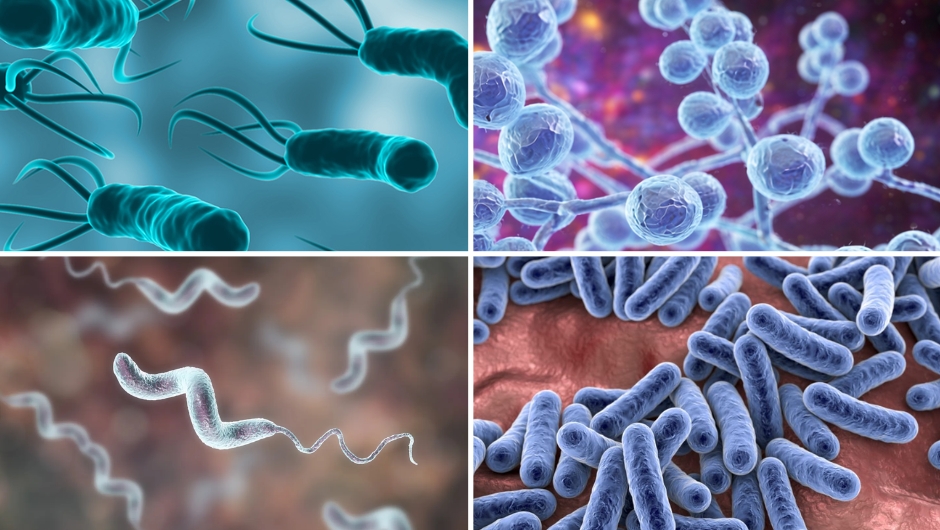
While most people blame food, research shows that hidden infections and microbial imbalance are often key contributors to long-term bloating. Understanding these root causes can help in managing symptoms more effectively.
1. H. Pylori Infection
Helicobacter pylori is a bacteria that infects the stomach lining and can interfere with normal digestion.
It survives in the acidic environment of the stomach by producing enzymes that protect it from acid. Over time, it causes inflammation of the stomach lining, leading to poor digestion and symptoms like acidity, heaviness, and bloating.
When digestion is impaired, food is not broken down properly and moves slowly through the gut. This increases fermentation and gas formation, which contributes to bloating.
Some studies have observed that people treated for H. pylori infection may show higher rates of IBD later. However, this is likely due to changes in the gut microbiome caused by antibiotics, rather than the infection itself.
2. Candida Overgrowth
Candida albicans is a natural yeast present in the body, but it becomes problematic when it grows excessively.
This overgrowth usually happens due to factors like high sugar intake, frequent antibiotic use, weak immunity, or existing gut imbalance. Candida produces harmful substances such as toxins that can damage the intestinal lining and trigger inflammation.
In people with IBD or IBS, this can worsen symptoms by increasing gut sensitivity and immune reactions. It also leads to excess gas production due to fermentation, resulting in chronic bloating and discomfort.
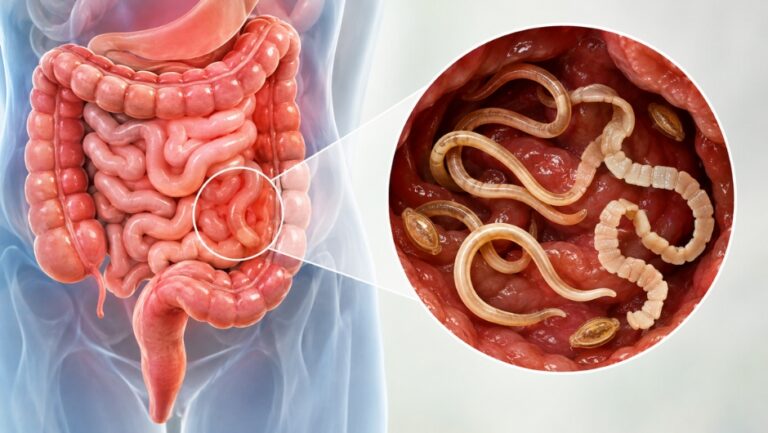
3. Parasitic Infections
Parasites are organisms that enter the digestive system through contaminated food or water and disrupt normal gut function.
Common examples include Giardia lamblia and Entamoeba histolytica.
Once inside the body, parasites can damage the intestinal lining, interfere with nutrient absorption, and disturb the balance of gut bacteria. This leads to improper digestion and increased fermentation of food.
As a result, individuals may experience bloating, irregular bowel movements, fatigue, and nutrient deficiencies. In some cases, parasitic infections can also trigger inflammation similar to that seen in IBD.
4. SIBO (Small Intestinal Bacterial Overgrowth)
Small Intestinal Bacterial Overgrowth is a condition where excess bacteria grow in the small intestine, an area where bacterial levels are normally low.
This condition is particularly common in people with Crohn’s disease due to structural changes in the intestine, reduced motility, or surgical removal of certain parts like the ileocecal valve.
In SIBO, bacteria start fermenting food too early in the digestive process, producing gases that cause bloating, abdominal discomfort, and changes in bowel habits. It can also lead to poor absorption of nutrients, further weakening gut health.
Related treatments
- Digestive Disorders Program: Digestive Care
Disclaimer: This article is for general education and is not a substitute for personal medical advice. Please consult a qualified doctor before making changes to your diet, supplements or medicines.